- BaoZhu Str. 8, Economic Development Zone, XianAn District, XianNing City, 437000, Hubei Province, China


 XiongZhiGroup Co., Ltd
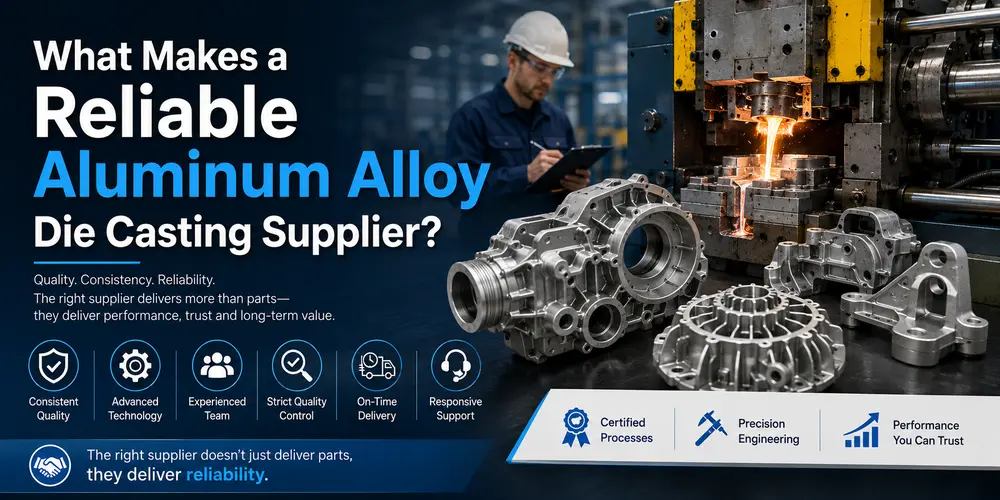
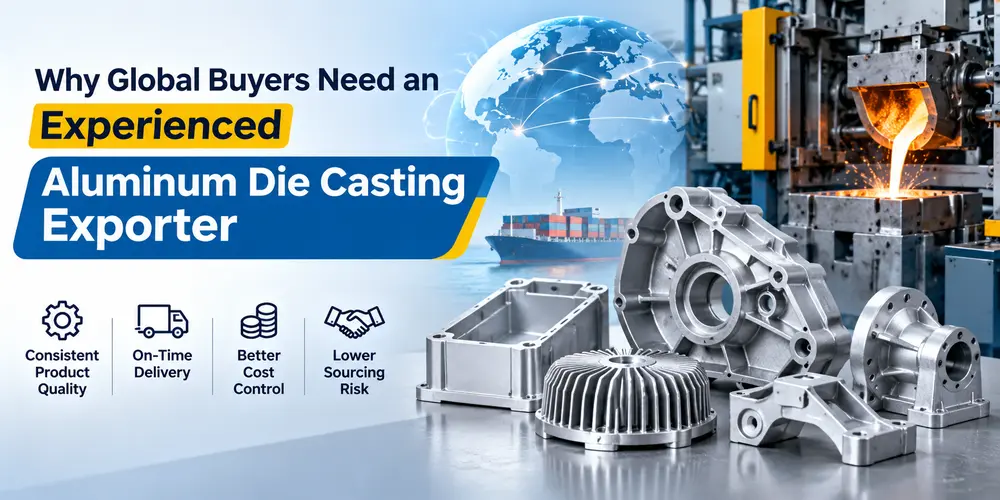
Why Global Buyers Need an Experienced Aluminum Die Casting Exporter
27
Nov 2026
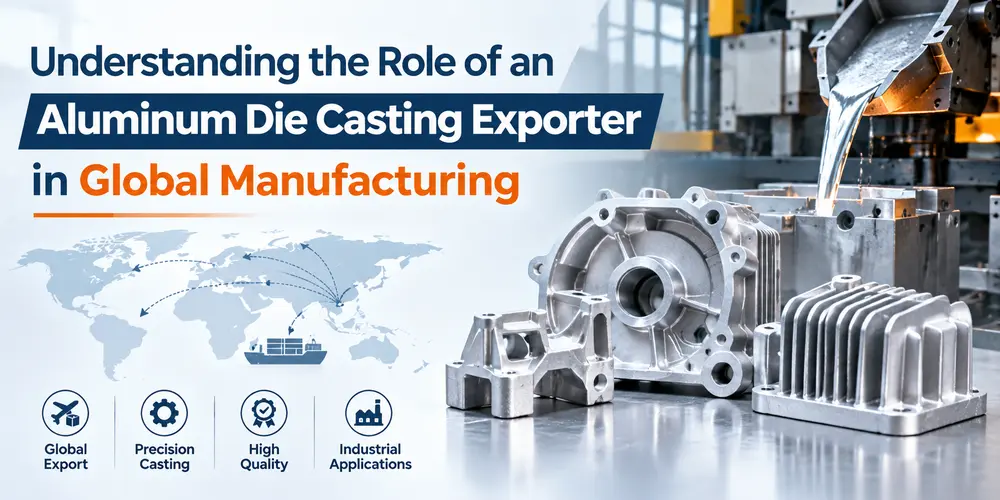
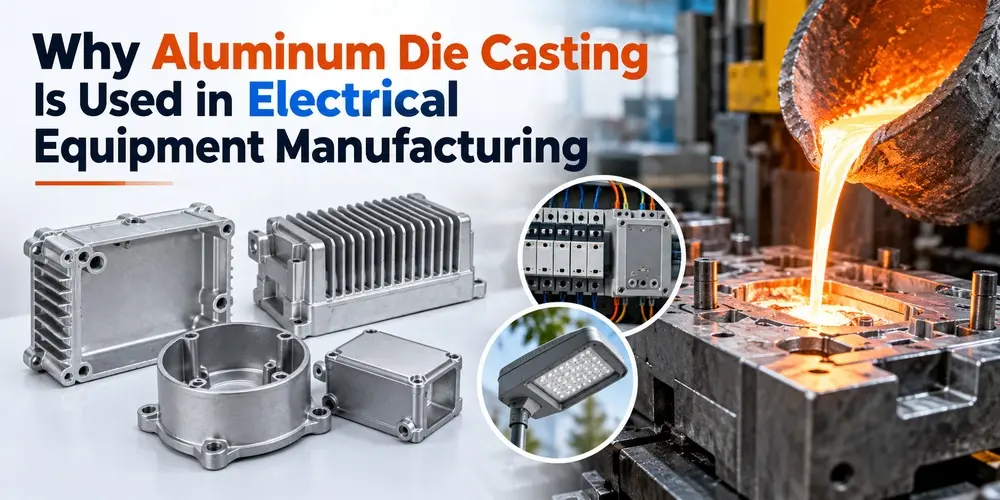
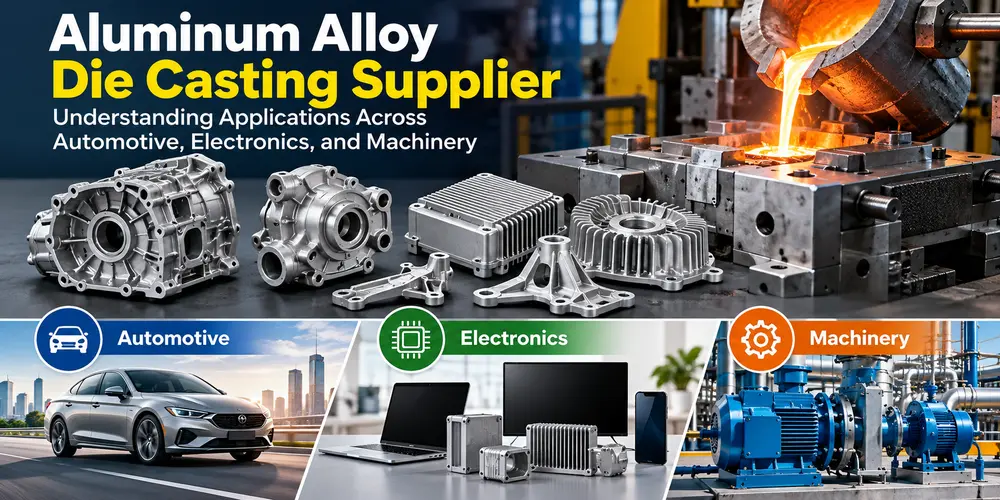
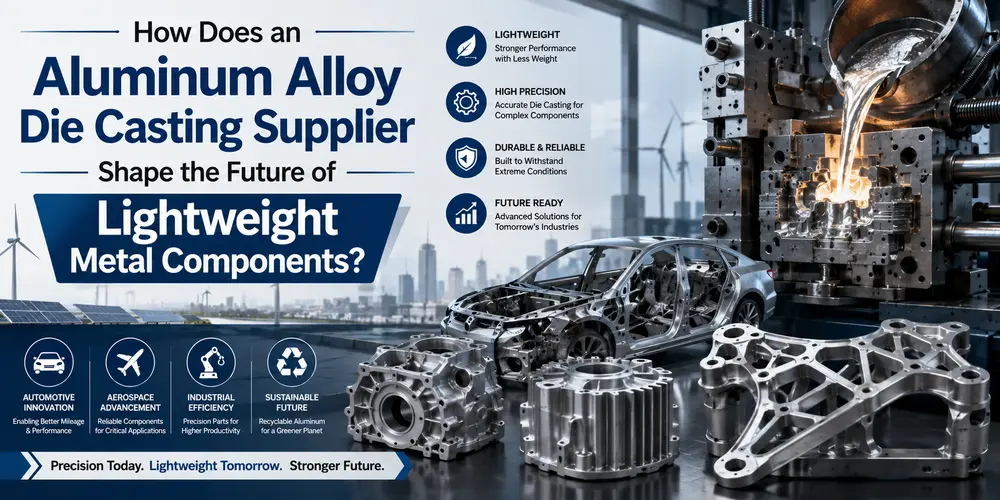
Sourcing metal components overseas is no longer some kind of back-office thing. For companies in automotive, electronics, lighting, and medical devices, the supplier you pick really shapes the product quality, the delivery timelines, and yeah, the profit margins too. so that is why a lot of global buyers now prefer an experienced Aluminum Die Casting Exporter instead of small workshops, or unproven traders. A steady partner like xiongzhigroup.com basically bundles engineering know-how, tight process control, and export experience in one place, and that helps lower the risk at every step of your project, even when everything feels rushed.
Why Experience Matters in Die Casting
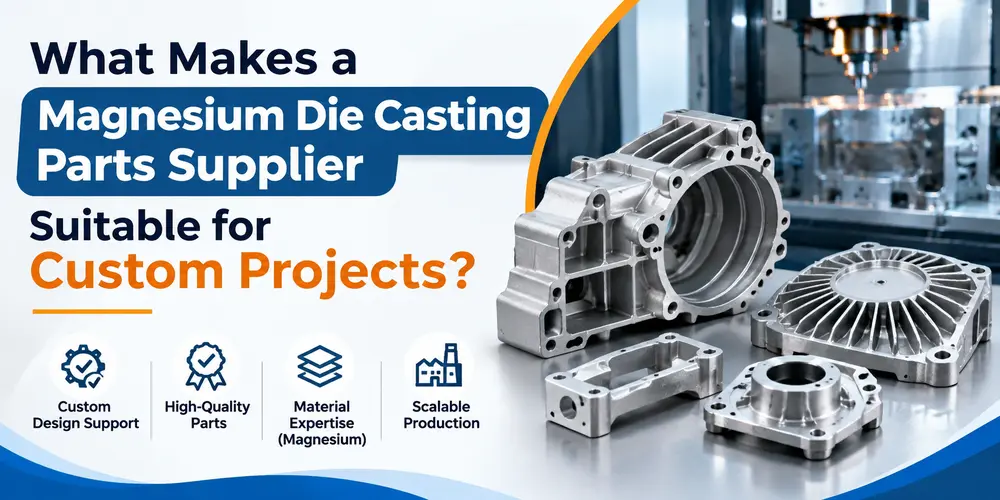
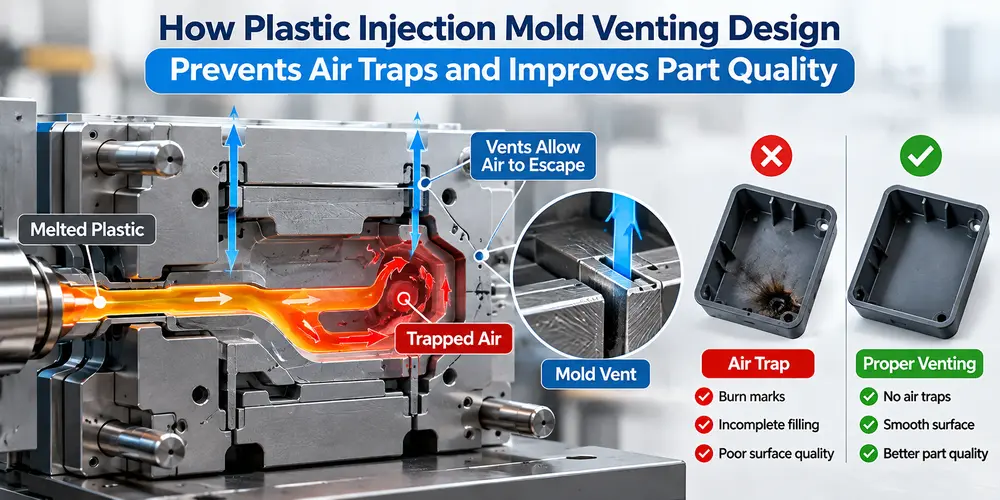
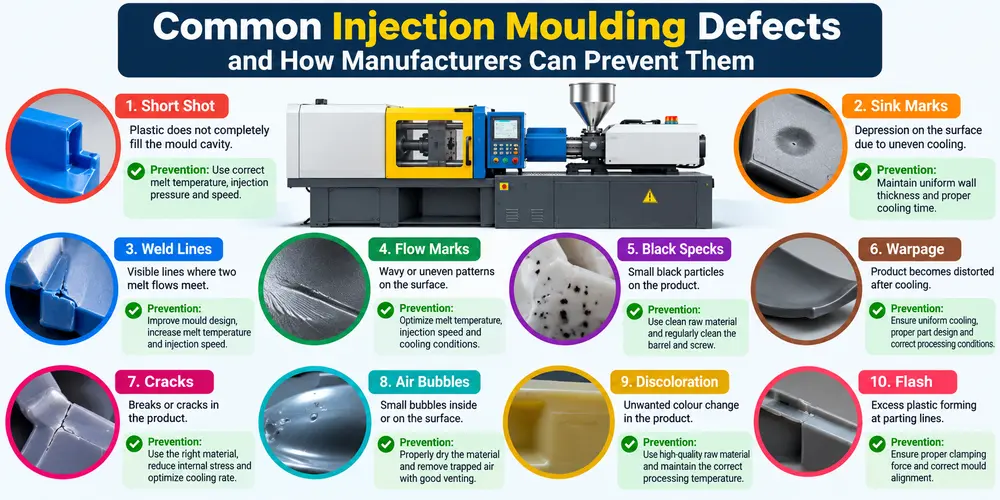
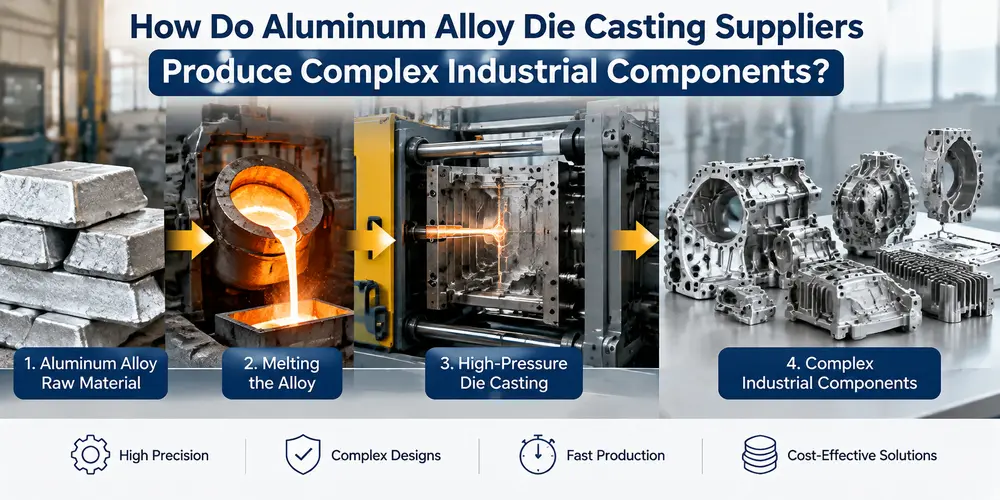
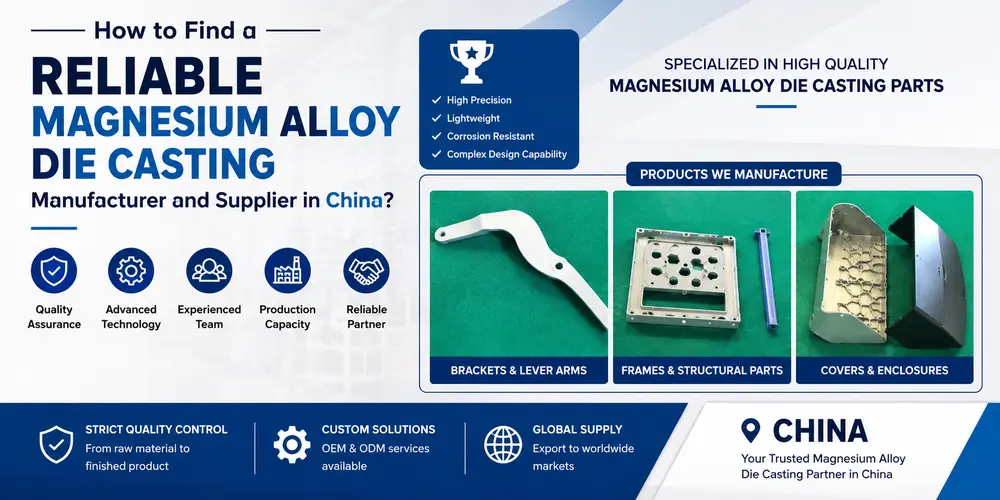
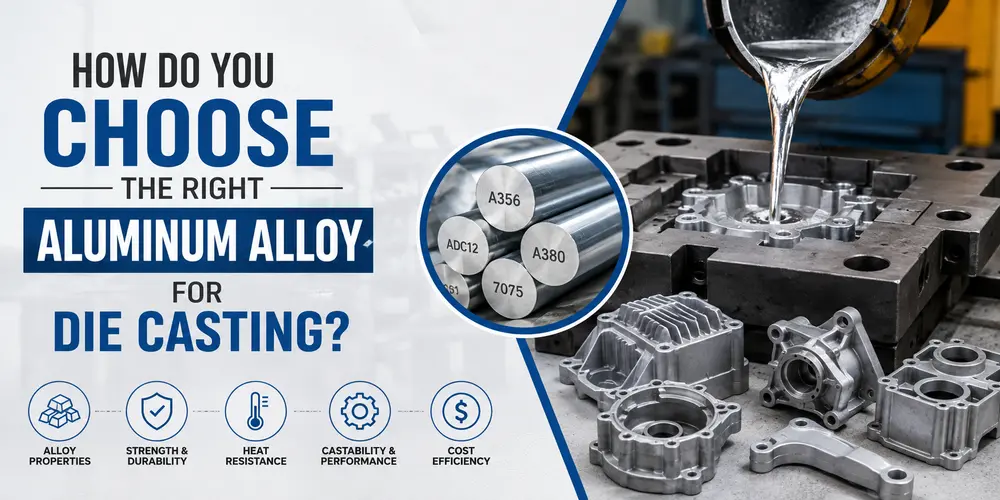
Die casting can sound easy: molten metal gets pushed into a steel mold under high pressure. But honestly, the outcome depends on alloy selection, mold temperature, injection speed, and cooling time. One tiny misstep can trigger porosity, warping, or dimensional mistakes. Experienced suppliers have fixed these issues again and again. A Magnesium Alloy Die Casting company in China, for instance, often shares engineering knowledge, and equipment expectations with aluminum producers. If you need lightweight parts for laptops, power tools, or automotive housings, you want a partner who understands multiple materials, and can actually suggest the best fit, not just what is convenient.
The Importance of In-House Tooling
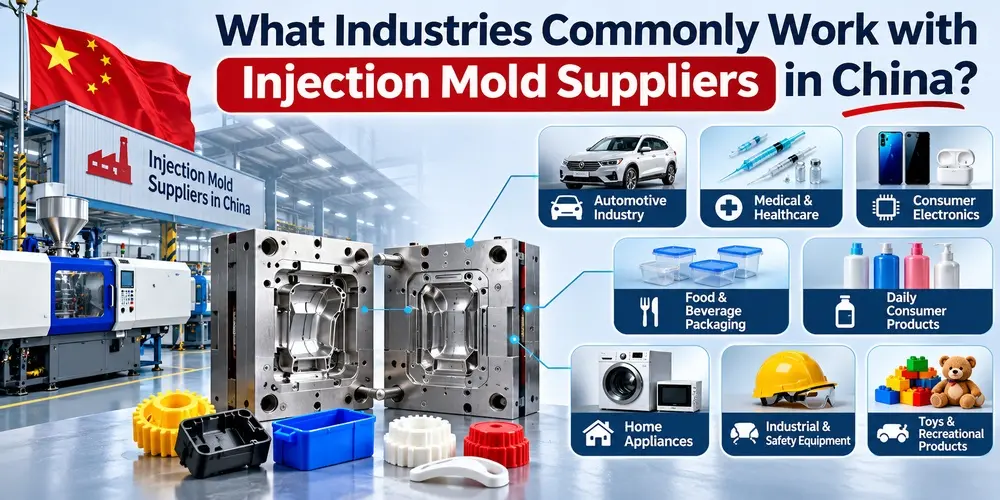
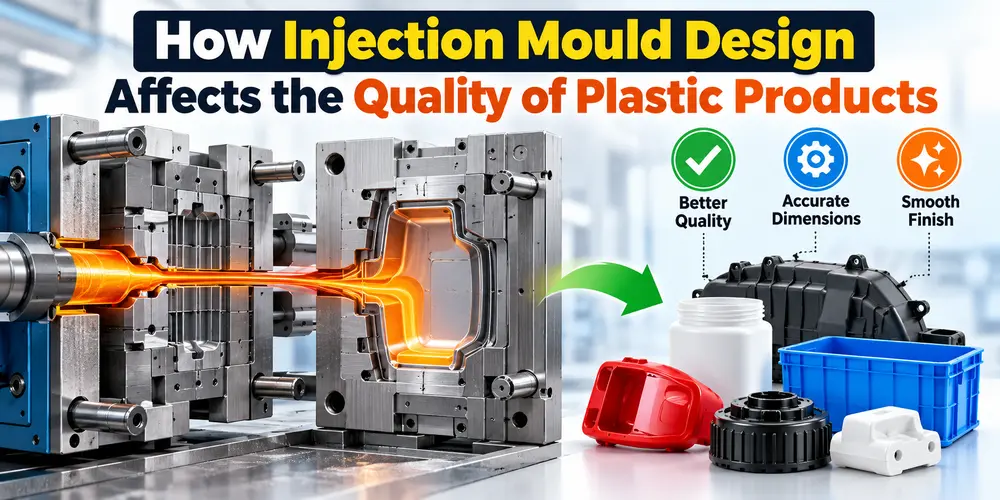
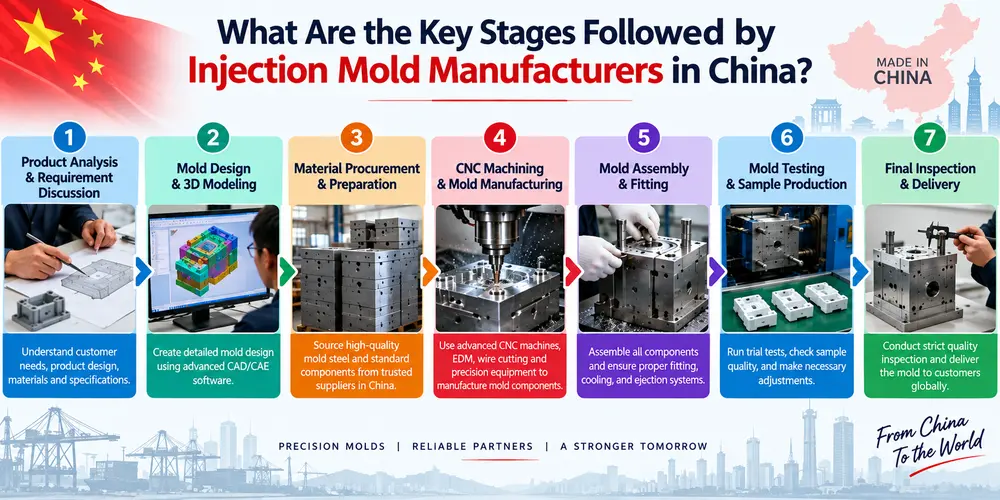
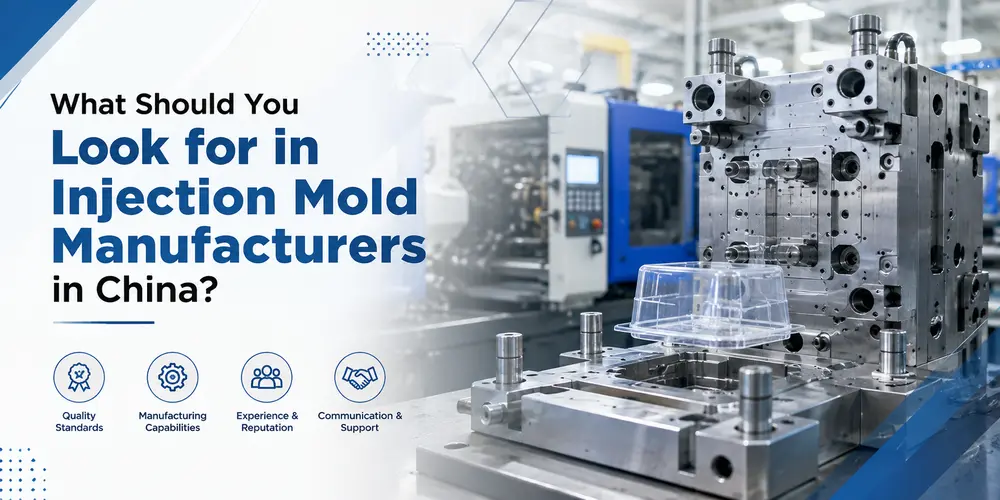
Mold quality is the real backbone of part quality. If the die is made poorly, production becomes unstable, repairs pop up frequently, and timelines start sliding. That is also why many buyers lean toward a trusted Injection Mold Supplier in China that can handle tooling and production together, without passing everything around. When design review, mold building, and sampling happen under one team, conversations move quicker, and changes feel easier. Still, always confirm things like how long molds last, how maintenance is done, and who owns the tooling after everything is said and done.
One Partner for Multiple Manufacturing Needs
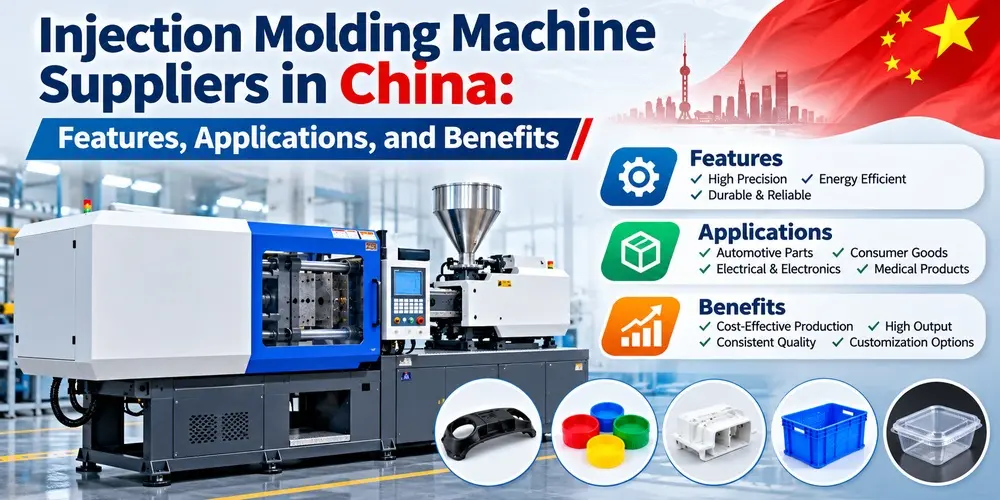
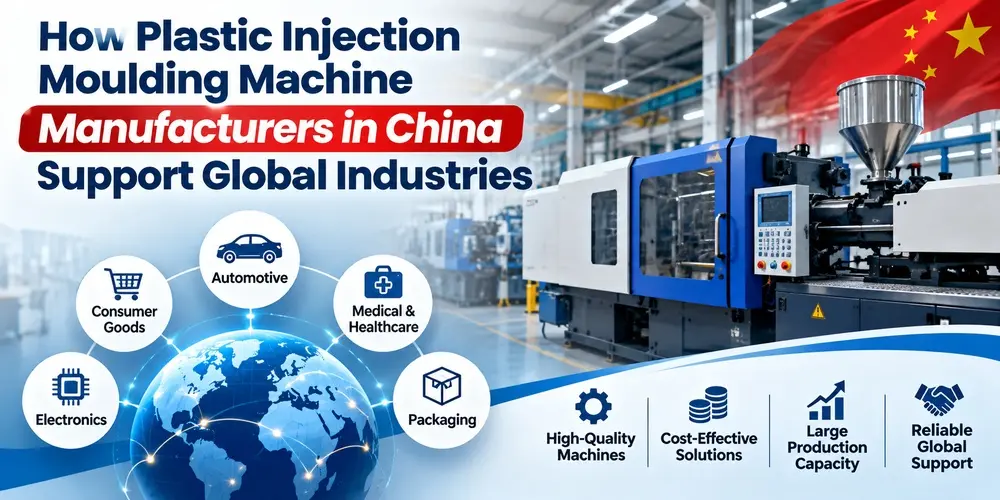
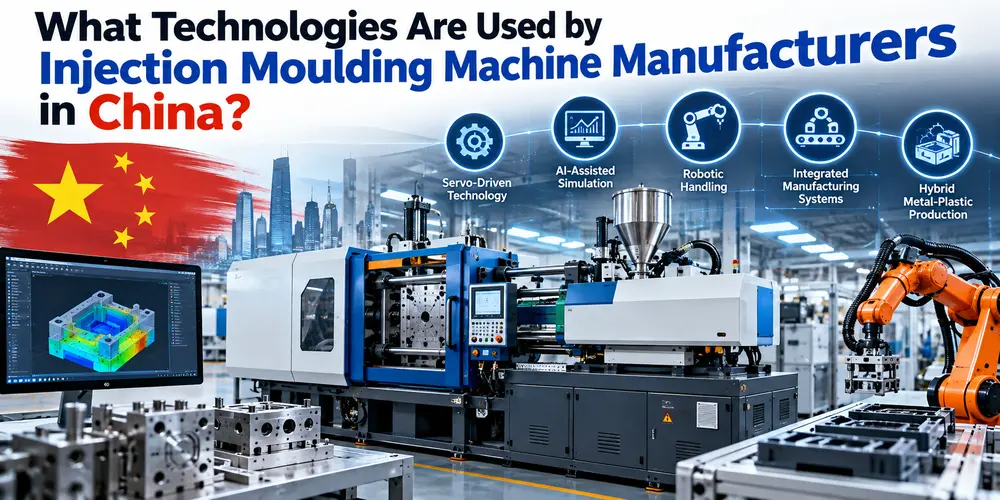
Most modern products are never only one material. You might have an aluminum housing, a plastic cover, and a metal bracket in the same device. Three suppliers mean three rounds of negotiations, three different quality standards, and three separate shipping schedules, which is… not fun. A broader manufacturing group can simplify the whole situation. Companies tied to Plastic Injection Moulding Machine Manufacturers in China usually understand both the machine side and the parts side. That experience can improve process control and speed up troubleshooting, which is one reason buyers keep coming back to xiongzhigroup.com for multi-material programs.
Lightweight Options When Weight Matters
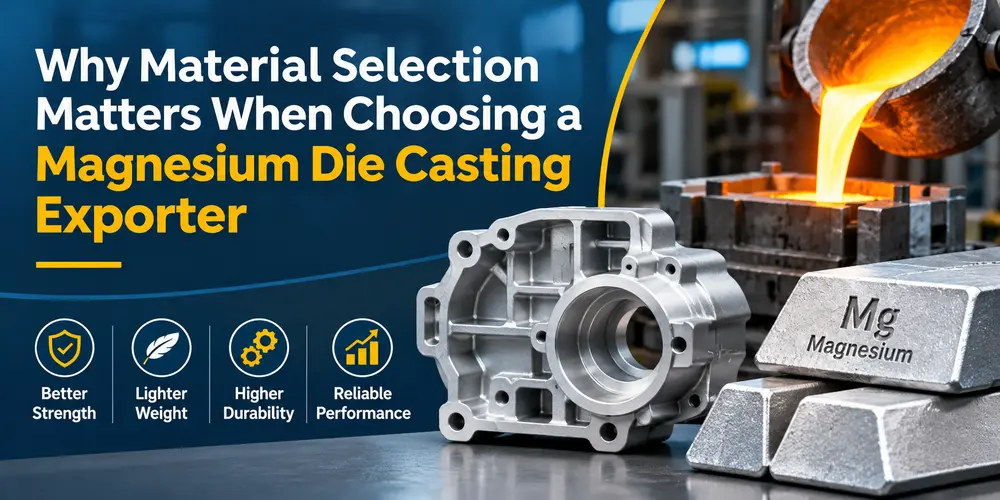
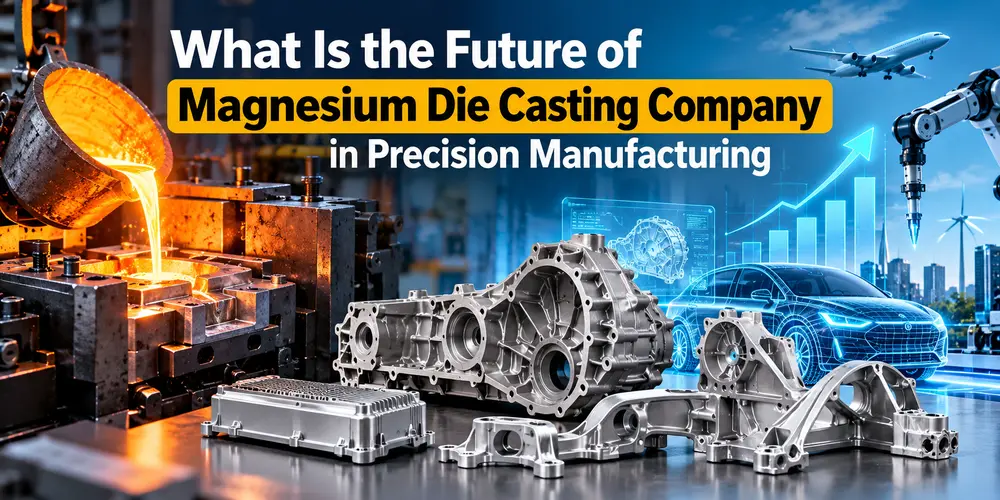
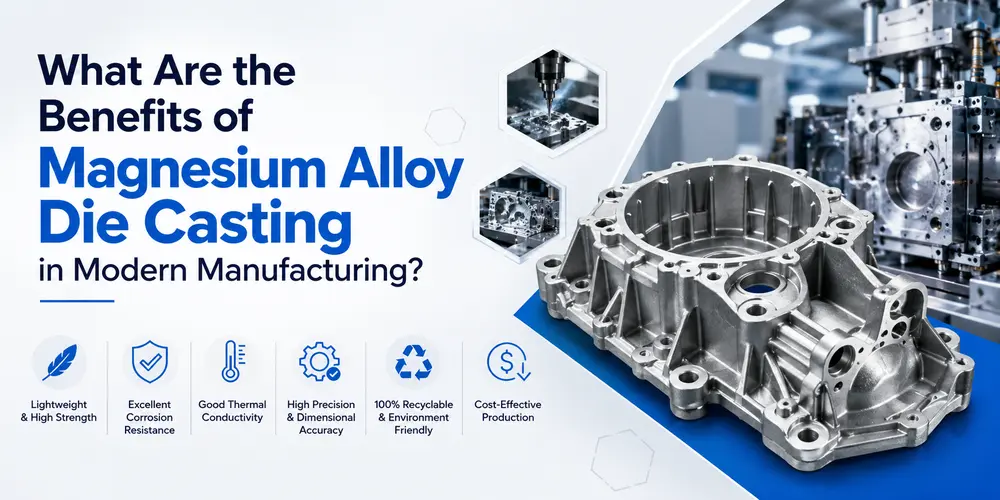
Some designs need serious weight savings. A supplier that also works as a Magnesium Die Casting Exporter can offer a real alternative when aluminum is not the best answer. Magnesium has a strong strength-to-weight ratio, and it fits portable electronics and automotive components pretty well. Having both material options means you get frank guidance about what works, not a suggestion that is limited to what the factory just happens to produce.
Consistent Quality Across Large Orders
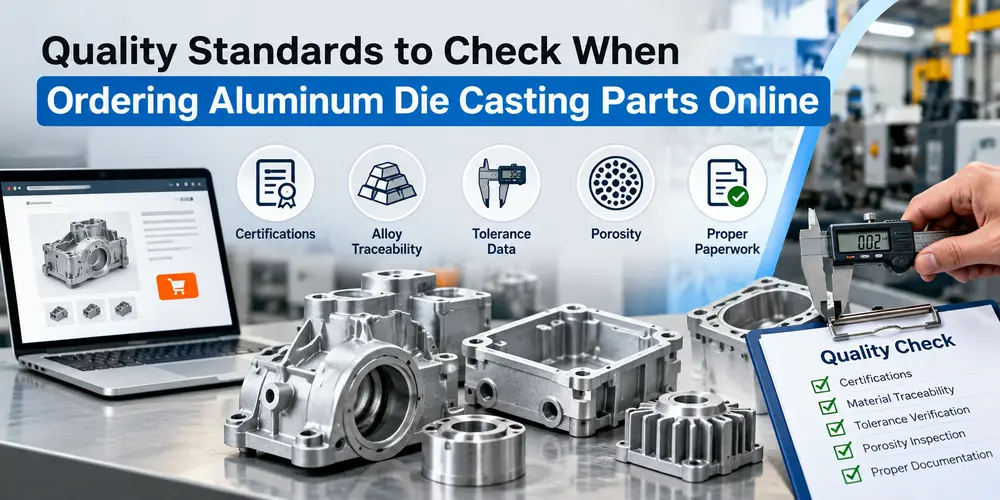
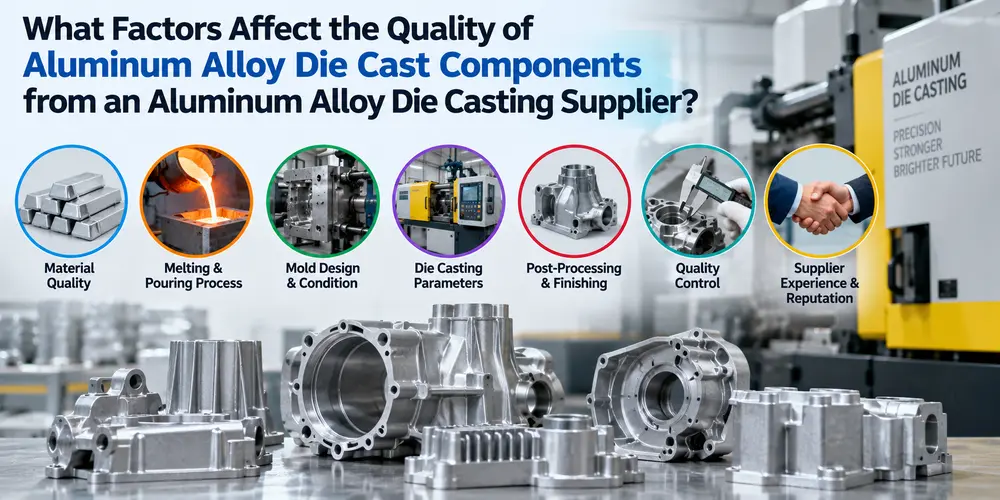
Getting a single good sample is usually manageable. Producing ten thousand identical parts is the actual test. Look for suppliers who provide:
- Material certificates and traceable alloy batches
- In-process inspection and final dimensional checks
- X-ray or leak testing for pressure-sensitive parts
- Surface finishing like powder coating, anodizing, and sandblasting
- Certifications such as ISO 9001 or IATF 16949
Since you cannot exactly visit the factory for every order, solid documentation, plus regular reporting, gives you confidence from far away, even if you are not physically there.
Export Experience Reduces Shipping Headaches
Making good parts is only half the work. Delivering them on time with correct paperwork is the other half. An experienced exporter typically handles:
- Export packaging that protects from corrosion and damage
- Commercial invoices, packing lists, and certificates of origin
- Shipping terms that fit your needs, like FOB, CIF, and DDP
- Coordination with freight forwarders for sea and air shipments
If the supplier is inexperienced here, customs delays, damaged goods, and missed deadlines start showing up more often.
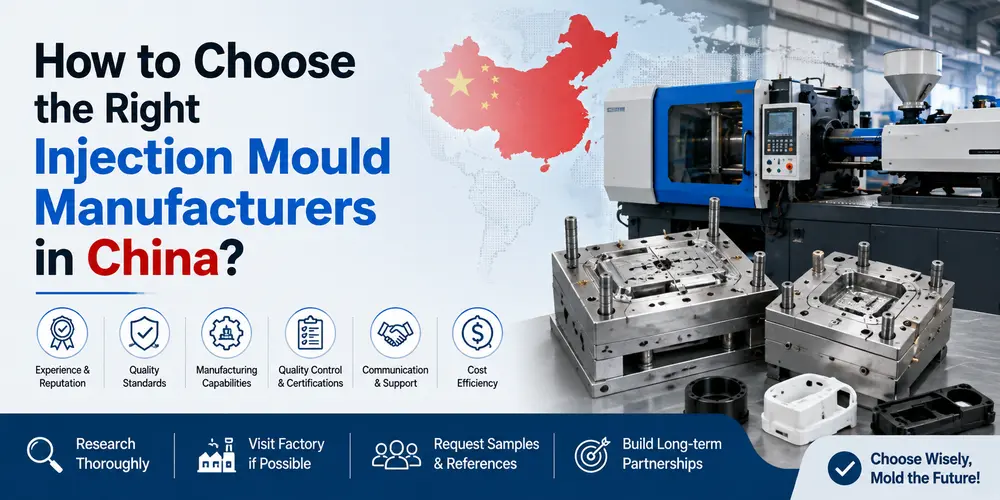
How to pick the right partner
Before you sign anything, do these checks and not just a quick glance
- Ask for samples, and inspection reports too.
- Look at what similar projects they finished for overseas clients, or at least what they claim, really.
- Check their equipment list, include die casting machines, plus CNC centers and related setups.
- Confirm certifications, and what testing abilities they actually have in house.
- Confirm how fast they communicate, and whether English support is solid, for daily back and forth.
- Discuss tooling ownership, payment terms, and after-sales service, in plain terms.
A partner that answers clearly, and fast as well, is often the safer long term choice.
Conclusion: Choose a Trusted Aluminum Die Casting Exporter
Global buyers are under constant pressure to deliver quality products, on time, and inside budget. Working with an experienced Aluminum Die Casting Exporter helps you get technical expertise, steadier quality, reliable logistics, and a team that actually understands international business. To explore die casting, tooling, and export services from a dependable manufacturer, visit xiongzhigroup.com.