- BaoZhu Str. 8, Economic Development Zone, XianAn District, XianNing City, 437000, Hubei Province, China


 XiongZhiGroup Co., Ltd
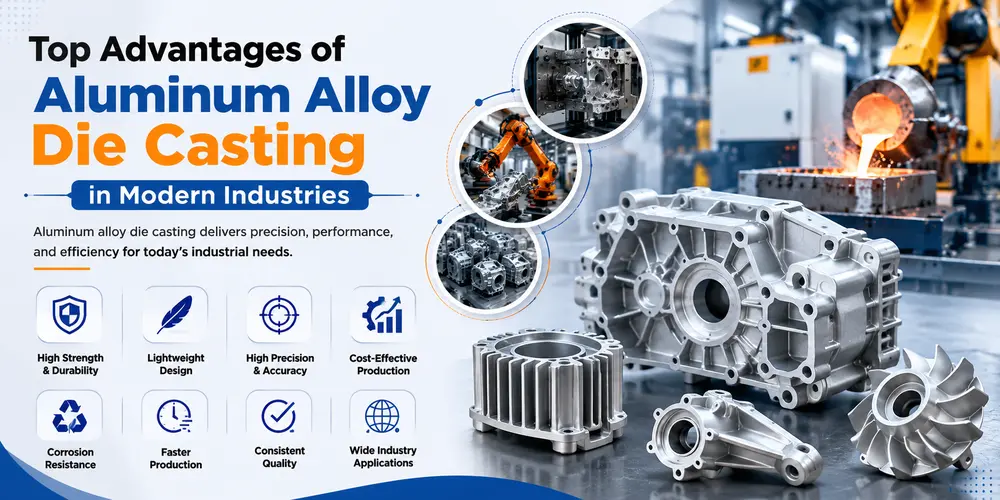
Top Advantages of Aluminum Alloy Die Casting in Modern Industries
11
Jul 2026
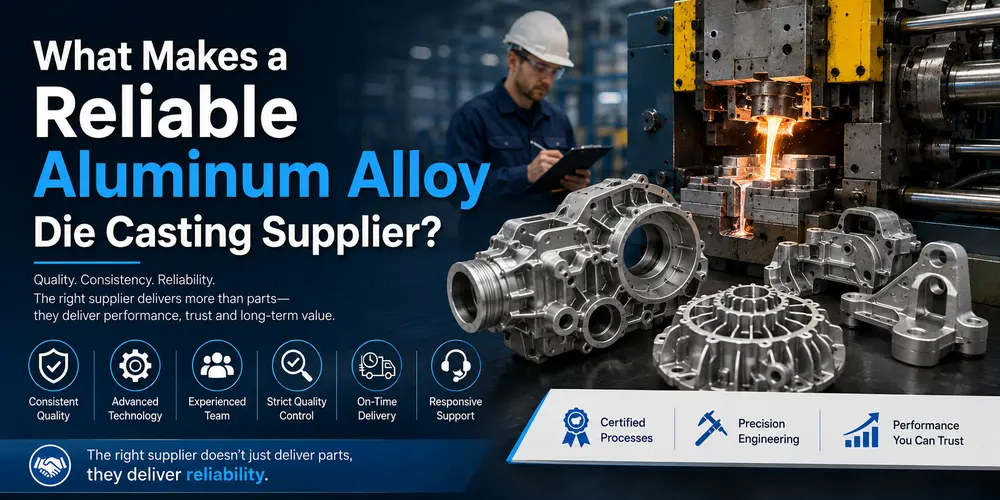
Aluminum alloy die casting has slowly turned into one of the most trusted manufacturing ways out there, helping a lot of industries make lightweight, tough, and very exact metal pieces at scale. Stuff like automotive, aerospace, electronics, and industrial machinery all lean on this method, because it can give parts that are strong yet still efficient. And if you’re trying to source components for a brand-new product line, or even just upgrading something already running, partnering with a dependable Aluminum Alloy Die Casting Supplier can be the small difference between “works” and “really stands out.” Also, if your job is not only metal, but connected materials too, many suppliers now let you Buy Magnesium alloy die casting online, so manufacturers can choose from more low-weight metal options in one place, more or less.
Understanding Aluminum Alloy Die Casting
What is Aluminum Alloy Die Casting?
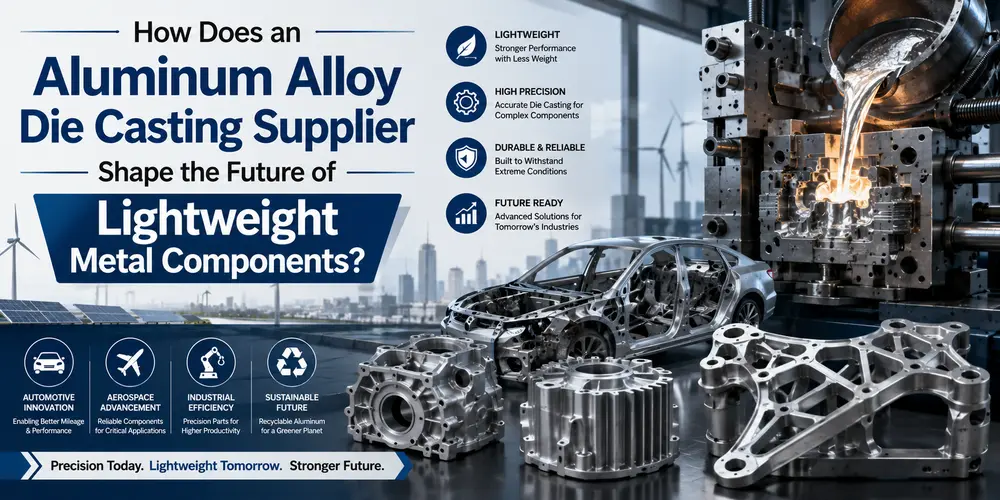
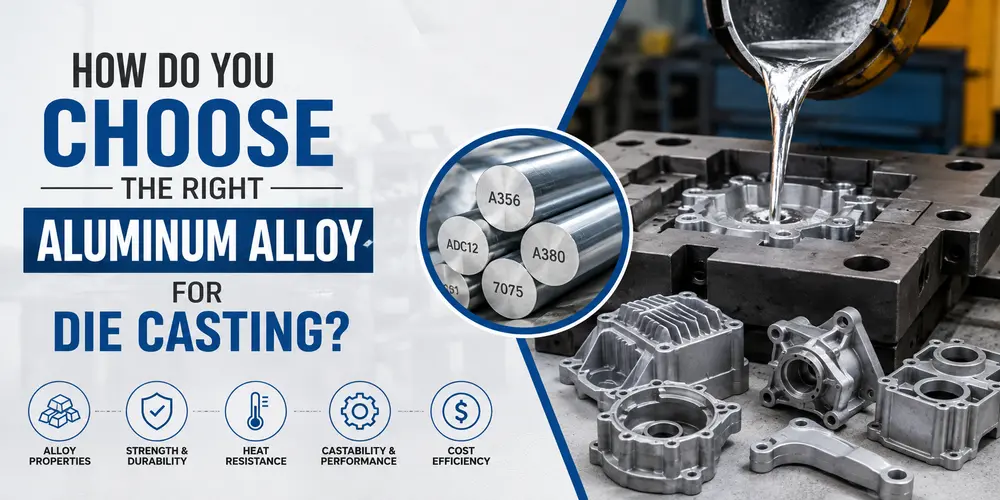
Aluminum alloy die casting is a metal-forming process where molten aluminum alloy gets injected into a precision steel mold, also called a die, under high pressure. That molten metal ends up in every corner of the cavity, then cools fast and solidifies into a finished part that usually needs little to none extra machining. Because of that, it’s great for tricky shapes, tight tolerances, and keeping quality steady, batch after batch.
How the Process Works
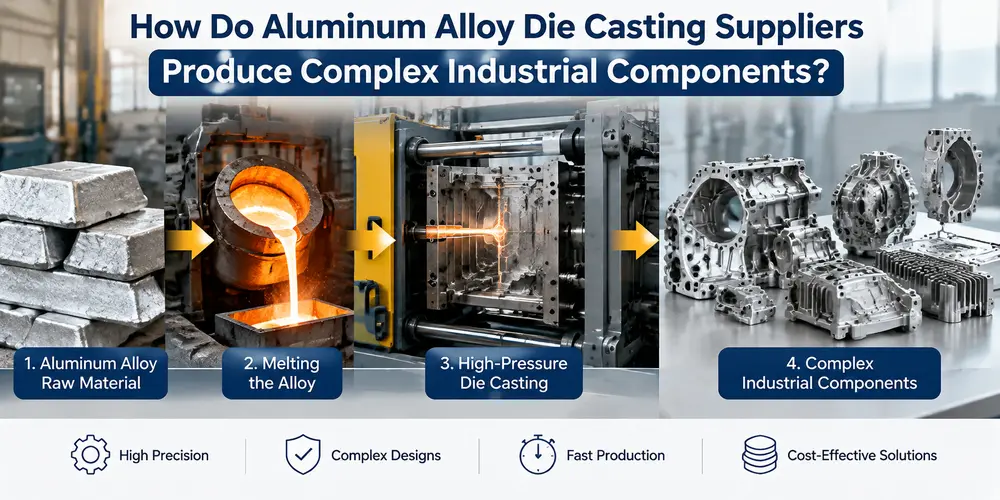
First you melt the aluminum alloy at carefully controlled temperatures until it turns fully liquid. Then, that molten aluminum is pushed into a hardened steel die cavity at high pressure and speed, so it grabs even the tiniest design details. After the metal cools and hardens in the mold, the die opens and the part gets ejected. From there, it can go for minimal finishing before it moves into assembly or shipping, basically ready to go.
Why Manufacturers Choose Aluminum Alloy
Aluminum alloy tends to win in die casting because it creates a rare balance between low mass and real structural strength. You get great resistance to corrosion, plus solid thermal and electrical conductivity. And the recycling angle is strong too, since aluminum can be recycled again and again without losing the main properties that matter. That blend makes it a go-to material for sectors that want performance, but don’t want added weight or ongoing maintenance headaches.
Best Advantages of Aluminum Alloy Die Casting
- Lightweight Construction: Aluminum has a low density, so it ends up being a pretty favorite material for customers who want to cut down the overall product mass, especially in automotive, aerospace, and consumer electronics. When the parts are lighter, vehicles can reach better fuel efficiency, machinery tends to be easier to control, and everyday items feel more portable without really sacrificing performance, or at least that’s the idea.
- High Strength-to-Weight Ratio: Even though aluminum itself is light, aluminum alloy die-cast parts still deliver genuine mechanical strength. Because of that, they’re a solid fit for harsh, high-stress applications where vibration and repeated loading can’t just be waved away.
- Excellent Corrosion Resistance: Aluminum naturally forms a protective oxide layer, this slows rust and other environmental wear. That’s why aluminum alloy die-cast components show up a lot in outdoor tools, marine setups, and anything that must deal with humidity plus temperature shifts over time.
- Superior Thermal Conductivity: Aluminum transfers heat really efficiently, so it’s often used for heat sink components, engine-linked parts, and electronic housings. With heat being handled this way, safety improves, system performance tends to hold up better, and service life can get extended, especially for electronics and automotive systems.
- Dimensional Accuracy and Design Flexibility: Die casting can shape complex geometries, thin walls, and sharp surface details in a single operation. Usually this reduces the amount of extra machining, and it gives engineers more room to explore new concepts without instantly turning production costs into a big surprise.
- Cost-Effectiveness at Scale: In high-speed production, you can see lower material waste, and aluminum scrap can be reused, which often pushes unit cost down during bigger run cycles. Plus, teaming up with a seasoned Aluminum Die Casting Exporter can make it easier to secure better pricing while keeping quality steady and delivery timing realistic.
- Consistent Quality Across Batches: Because die casting is so repeatable, manufacturers can expect stable dimensions and dependable mechanical properties across many thousands of parts. This is especially important in industries with strict quality requirements. Also, working with a reliable Aluminum Die Casting Parts Supplier often brings tooling know-how that’s built-in, not just promised. Many buyers now also prefer to Buy Mould online directly from their casting partner, so the whole journey from design to delivery stays smoother , and in many cases it comes faster too, and usually faster too.
Applications of Aluminum Alloy Die Casting
Aluminum alloy die casting is versatile, so it shows up across many industries, pretty much everywhere:
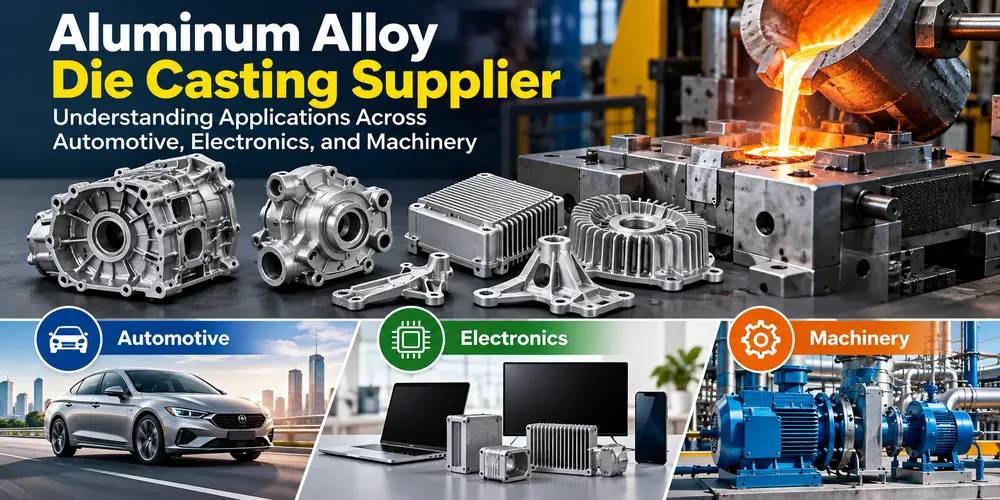
- Automotive Industry Engine brackets, transmission housings, and structural elements help reduce vehicle weight and improve fuel economy, without sacrificing durability.
- Consumer Electronics Device housings, heat sinks, and connector parts rely on aluminum’s lightweight behavior, plus its ability to handle heat, so electronics stay running efficiently.
- Aerospace Industry Important control system parts and structural components use aluminum alloy because the strength-to-weight ratio matters a lot there, every gram feels like it counts.
- Construction Structural fittings, window frames, and lighting fixtures benefit from aluminum’s corrosion resistance and long-term outdoor weathering.
- Industrial Machinery Pumps, valves, compressors, and other heavy-duty equipment use aluminum alloy die-cast parts for their strength and their ability to survive demanding operating conditions.
Conclusion
Aluminum alloy die casting is still showing up as one of the more efficient, and reliable manufacturing choices for a lot of modern industries. The mix of being light weight, still strong, resisting corrosion, handling heat in a smart way, and staying cost effective makes it the go to material for teams that want better products sooner. At the same time, picking the right partner matters almost as much as the process itself. If you work with a seasoned Aluminum alloy die casting company, your parts are more likely engineered to strict standards, sent out on schedule and made to work reliably in real use. And if you’re a business that needs a steady manufacturing ally with end-to-end capabilities, xiongzhigroup.com provides the know-how, tooling assistance, and production strength to bring your next project into motion.
FAQs
1. What is aluminum alloy die casting used for
Aluminum alloy die casting is used to create precise metal components, which show up in automotive aerospace electronics, medical equipment telecommunications, and industrial machinery, pretty often.
2. Why is aluminum preferred over other metals in die casting
Aluminum gives a strong strength-to-weight profile, plus solid corrosion resistance, good thermal conductivity, and recyclability. Also, it tends to deliver better dimensional accuracy overall so parts line up easier.
3. How does aluminum die casting reduce manufacturing costs
Because it enables quick cycle times, and it helps cut down on material scrap. It also reduces how much heavy machining has to happen and keeps parts more consistent which usually lowers total manufacturing expenses.
4. Can aluminum die casting produce complex designs
Yes. Aluminum die casting can form detailed shapes, thin walls, subtle surface textures, internal cavities and other more complex forms with solid repeatable precision, even if the design is not “simple simple”.
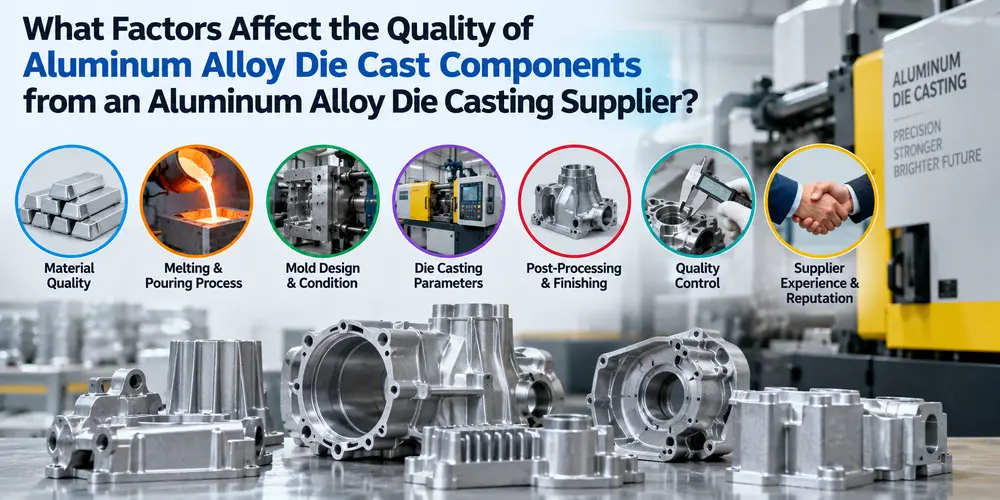
5. How do I choose the best Aluminum Alloy Die Casting Supplier?
Find a supplier with modern production lines, experienced engineers and strict quality control. Also confirm they offer custom tooling possibilities, have the right international certifications, and provide customer support that answers clearly, not just general responses.
6. Is aluminum die casting environmentally friendly?
Yes. Aluminum is fully recyclable, so die casting can be more eco conscious too. It reduces waste and helps conserve natural resources, which matters a lot.
7. Which industries benefit the most from aluminum alloy die casting
The biggest benefits show up in automotive, aerospace, consumer electronics, medical devices, renewable energy, telecommunications, and industrial equipment. Basically, anywhere lightweight durable parts really matter.
8. What services should a professional Aluminum Die Casting Parts Supplier provide
A reliable supplier should provide custom die casting, mold design precision machining surface finishing, quality inspections, quick prototyping, and global export support. Ideally the process stays clear and not turned into a „maybe it will work “situation.