- BaoZhu Str. 8, Economic Development Zone, XianAn District, XianNing City, 437000, Hubei Province, China


 XiongZhiGroup Co., Ltd
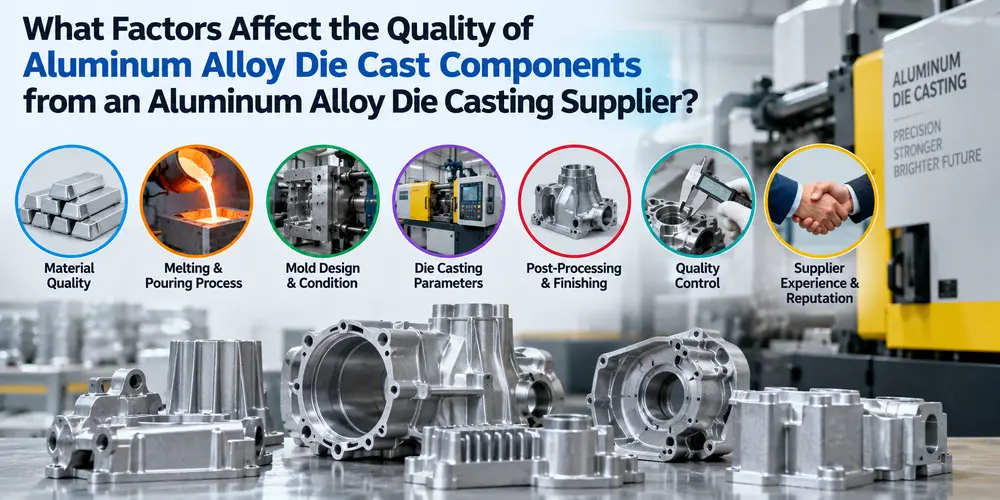
What Factors Affect the Quality of Aluminum Alloy Die Cast Components from an Aluminum Alloy Die Casting Supplier?
22
Sep 2026
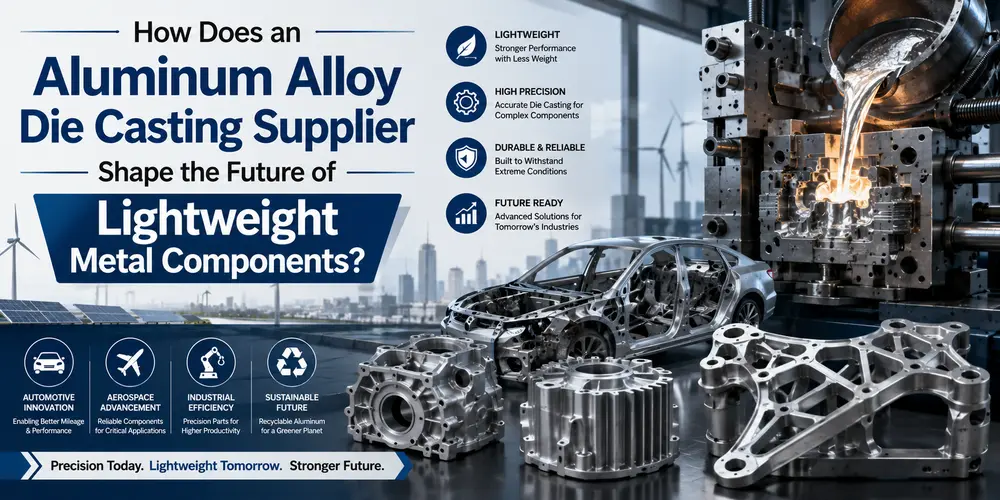
Aluminum alloy die casting, honestly, has become one of the more dependable manufacturing options for making hard to form, light-weight, and tough metal pieces that show up everywhere, from automotive stuff to electronics, telecommunications, and industrial equipment. But yeah, not every die-cast component is the same, and that’s kind of the whole point. A finished aluminum part can look great but still be off, depending on a bunch of variables like the raw material choice, mold design, and what happens after casting, including finishing touches. So when you go looking for a reliable Aluminum Alloy Die Casting Supplier, it can end up being the real difference between “works for years” and “fails way too early”. In this article, we’re going to go through the main factors that shape die cast quality, and why teaming up with a known supplier such as xiongzhigroup.com actually matters, not just in theory.
Factors That Affect the Quality of Aluminum Alloy Die Cast Components
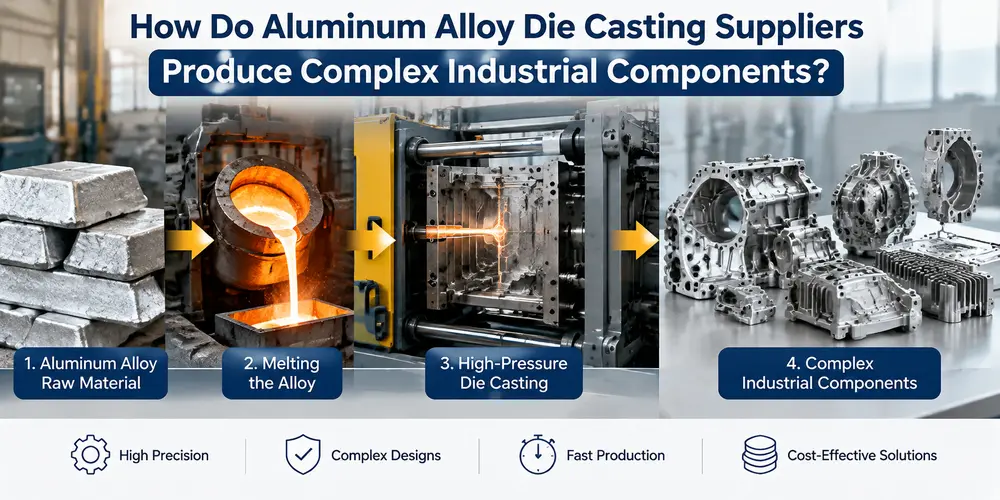
1. Raw material quality
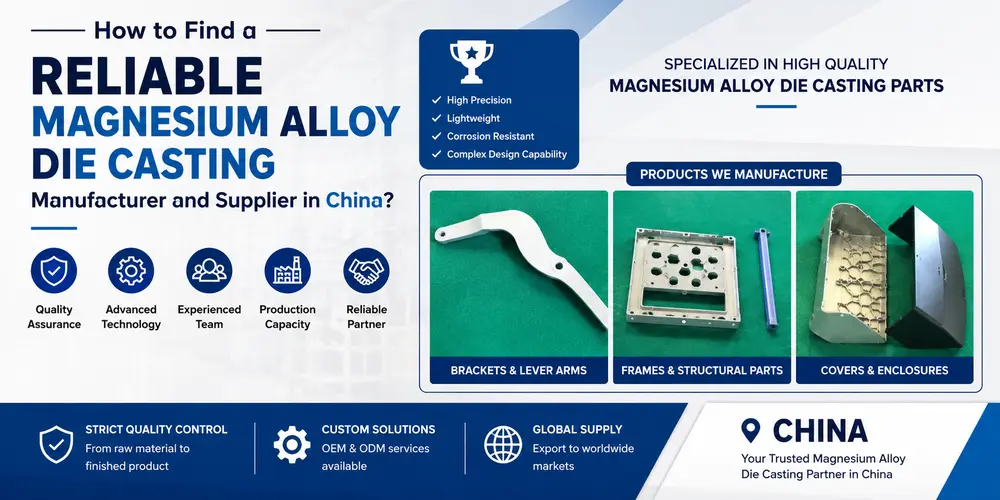
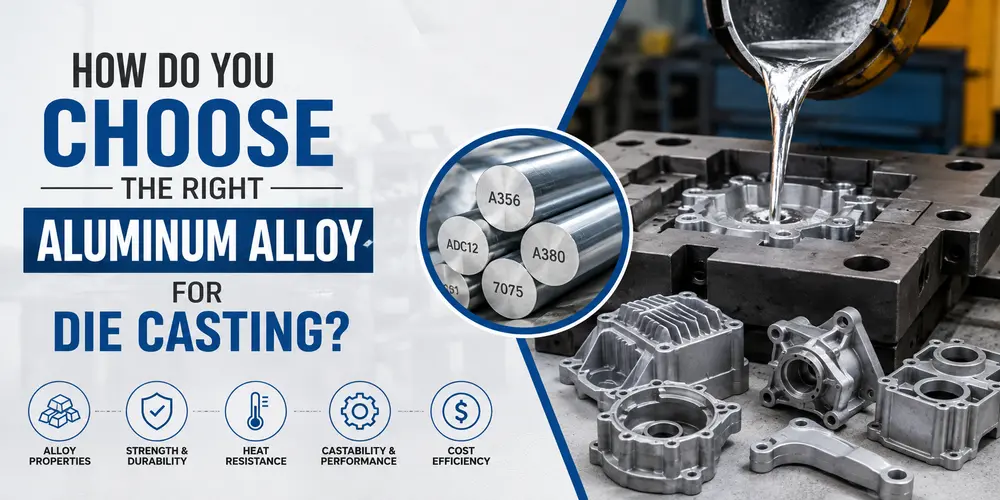
The base of any strong die-cast part is, well, the raw material. Different aluminum alloys don’t behave the same, and even small impurities or uneven alloying ratios can cause porosity, weaker mechanical performance, or a less-than-clean surface. A solid supplier usually uses certified aluminum ingots, with tightly managed chemical composition, so hardness, corrosion resistance, and thermal conductivity stay consistent across production batches. And if the same supplier also deals with magnesium alloys, they need equally strict sourcing because magnesium has that lower melting point, and it is more reactive, so handling has to be precise or you risk oxidation and material loss while melting. Companies like xiongzhigroup.com combine casting know-how, strict QC, and long-term manufacturing experience to keep output dependable across many sectors. If you’re choosing a trustworthy Magnesium Alloy Die Casting Manufacturer and Supplier in China, that decision can literally decide whether a component performs for years or just stops earlier than expected.
2. Mold design (and the precision side)
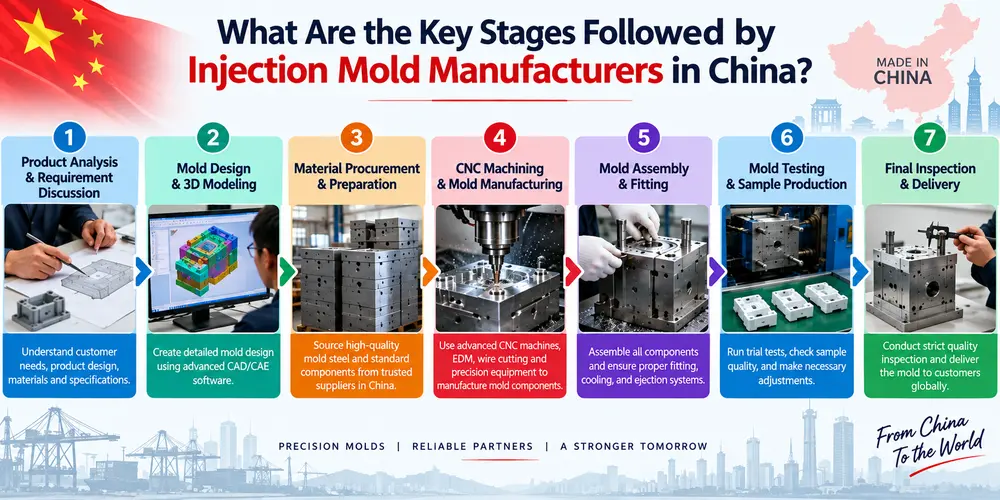
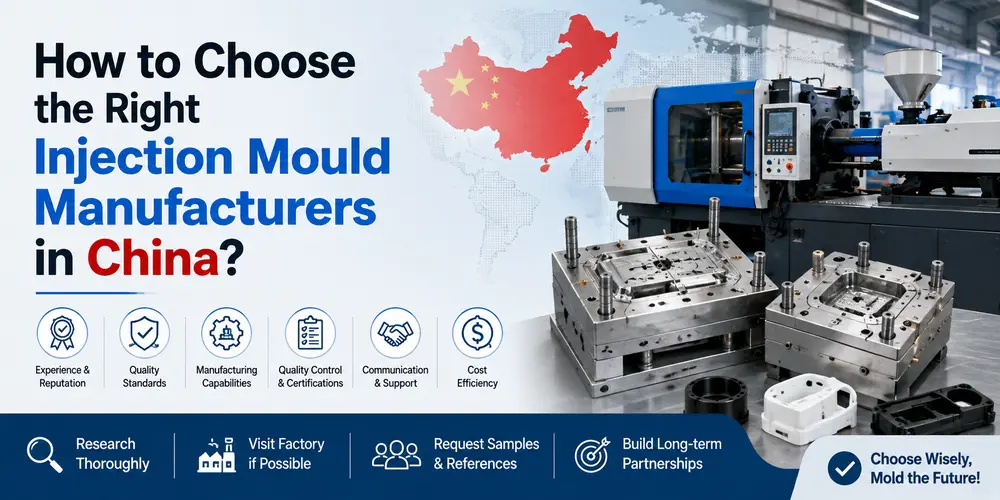
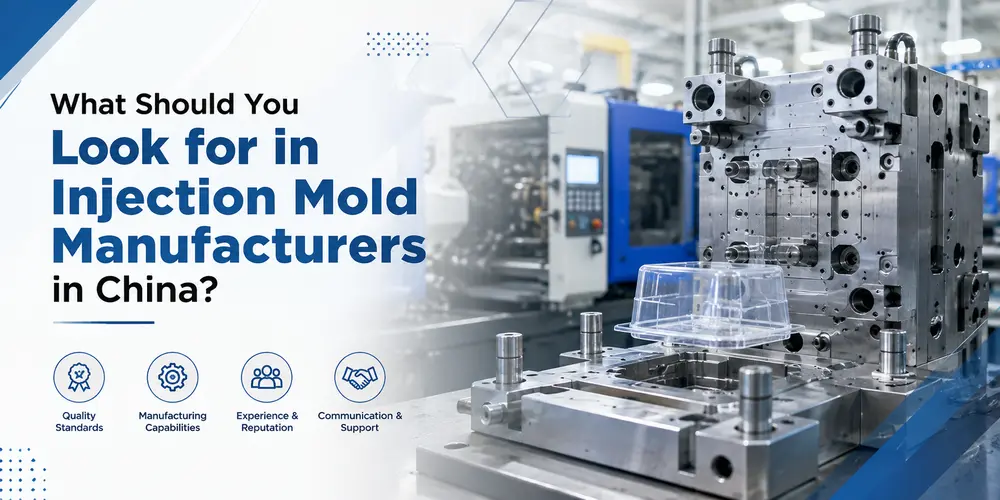
The die itself, the mold, basically, and often designed with input from Injection Mold Manufacturers in China plays a big role in how accurate the part is dimensionally and how good the surface looks. A decent mold setup considers gating pathways, venting, and where the cooling channels sit, so the molten metal flows smoothly and doesn’t trap too much air during injection. If the mold is built poorly, you can see flash, short shots, sink marks, or uneven wall thickness showing up. On top of that, high-precision CNC machined molds with tight tolerances are usually required when you need exact fit and function, especially for automotive components, and for electronic assemblies too.
3. Casting process parameters
Die casting is not some magical “set it, then ignore it” routine. A bunch of process parameters need to be watched and kept in bounds, like:
- Injection speed and pressure: If it’s too aggressive, turbulence can trap air, leading to porosity. If it’s too gentle, the aluminum may start solidifying before the mold cavity is fully filled.
- Melt temperature: If temperatures shift, metal flow changes too, and you can end up with cold shuts or incomplete filling.
- Die temperature: A die that is preheated properly gives more uniform cooling, and it reduces thermal stress, which helps cut down warping or cracking.
- Cooling time: Not enough cooling time can cause distortion after ejection, while too much cooling time slows production efficiency.
An experienced Aluminum Alloy Die Casting Supplier should have documented process controls , sometimes supported by real time monitoring tools, so these variables stay in a good range for each production run.
4. Equipment quality and machine calibration
The machine really matters, because the die casting setup will shape the final result. The better injection moulding machine manufacturers in China build their equipment to keep pressure regulation steady, shot volume repeatable, and cycle times consistent. Still, if the equipment is older, or it is not looked after properly, you can get differences from one cycle to the next. So even when the mold and metal grade are right, part quality can come out uneven. Routine calibration, planned preventive maintenance, plus moving toward newer high-pressure die casting (HPDC) machines usually show that a supplier actually cares about ongoing quality assurance, not just pushing faster output.
5. Post-processing and surface treatment
After casting, the part often needs secondary operations such as trimming, CNC machining, shot blasting, polishing, or surface finishes like anodizing, powder coating, or electroplating. What happens in these steps influences both the appearance and how it works once it’s in service. If trimming is inconsistent, burrs may linger, and then those burrs start to interfere with assembly. And if surface treatment is weak, corrosion resistance can fall off sooner than expected. A solid supplier should treat these tasks as one managed workflow, not simply ship them out with minimal oversight, because that’s typically where quieter defects hide in.
6. Supplier Experience and Technical Expertise
Honestly, the experience and technical know-how of the manufacturer itself, really can’t be left out. A supplier that has been doing hands on work for years in both aluminum and magnesium die casting, usually knows the quickest way to get past trouble spots, tweak the design so it’s easier to manufacture and doesn’t waste time, and also suggest material or process adjustments that can lift part performance while still cutting costs. This is where teaming up with a more complete manufacturer becomes kind of valuable, like one company that does casting services, but also mold design, machining, and finishing, all in one place.
Connect With best Aluminum Alloy Die Casting Supplier in China
In the end, the quality of aluminum alloy die cast components comes from a mix of things: material picking, mold engineering, careful process control, steady equipment reliability, and strict quality inspection. From melting the alloy all the way to the final surface look, every single stage leaves an effect on how the part performs in the real job. If your business wants reliable, consistently high-quality die cast parts, working with a seasoned Aluminum Alloy Die Casting Supplier in China, is basically key. Whether you need aluminum or magnesium die-cast parts, precision molds, or full production support, picking the right manufacturing partner like xiongzhigroup.com helps make sure your components hit the highest marks for durability, performance, and overall stability.
Frequently Asked Questions (FAQs)
1. What’s the real main difference between aluminum and magnesium die casting?
Aluminum tends to bring solid strength-to-weight plus decent corrosion resistance, while magnesium comes across as even lighter and often feels more workable for machining. still, magnesium needs extra careful handling during the casting stage because it reacts more readily, like, sooner than you’d expect.
2. How do I cut down porosity in die-cast aluminum parts?
You can lower porosity using vacuum assisted casting, a better gating and venting setup, tuning injection speeds, and keeping a close watch on melt temperature management. basically, if those variables wander, porosity shows up more.
3. What industries usually rely on aluminum die-cast components?
Automotive, electronics, telecommunications, lighting, industrial equipment, and consumer goods are frequent users of aluminum die-cast parts. Most of it comes down to them being strong, lightweight, and cost efficient.
4. How do I pick a dependable aluminum alloy die casting supplier?
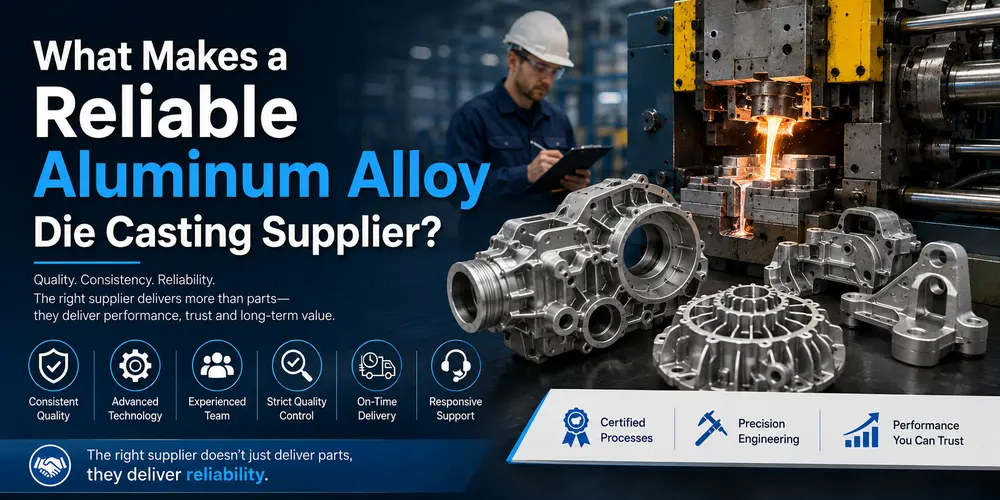
Look for certified quality management systems, real mold design capability in-house, modern equipment, and proof of consistent output quality, not just one-off batches that look good once.
5. Can die-cast aluminum parts be machined after casting?
Yes, most die-cast aluminum parts get secondary CNC machining. That’s how you reach tighter tolerances, cleaner surface appearance, or add features the initial casting step simply can’t deliver.
6. What surface finishes are typically offered for aluminum die-cast parts?
Common options are anodizing, powder coating, electroplating, polishing, and shot blasting. which one you choose depends on the part’s functional needs or how it’s supposed to look, period.
7. Why does mold design matter so much for die casting quality?
Because the mold controls how molten metal flows, cools, and solidifies. so, it ends up affecting dimensional accuracy, the surface finish, and defects like flash or short shots, right there in the process.
8. Is it better to use one supplier for both molds and die casting?
Usually yes. When one provider handles mold design and casting production, communication becomes smoother, lead times often shorten, and the mold specifications stay aligned with the casting process parameters.