- BaoZhu Str. 8, Economic Development Zone, XianAn District, XianNing City, 437000, Hubei Province, China


 XiongZhiGroup Co., Ltd
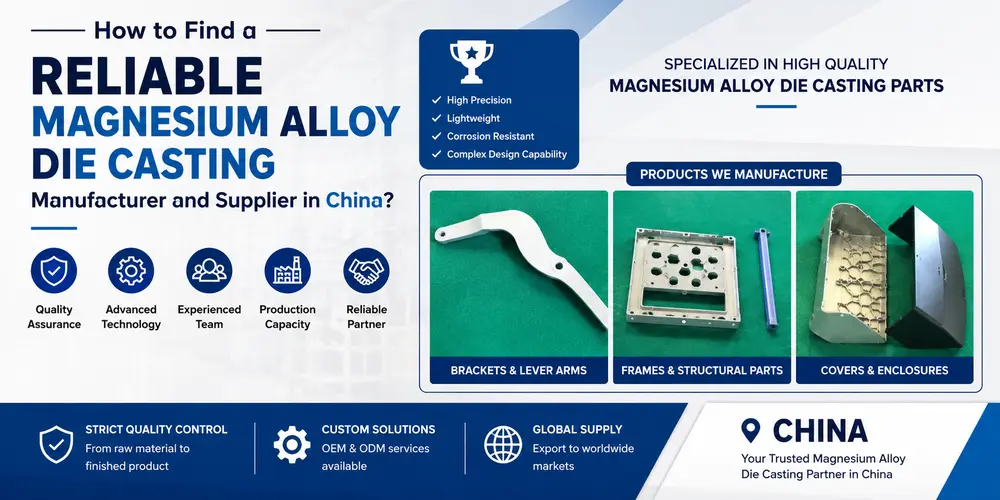
How to Find a Reliable Magnesium Alloy Die Casting Manufacturer and Supplier in China?
21
Aug 2026
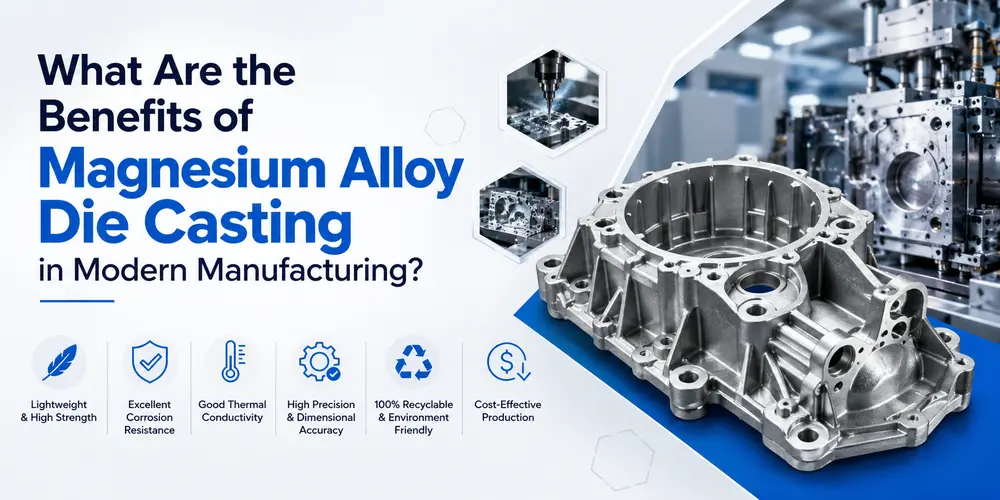
Magnesium alloy die casting kind of became this thing everyone talks about lately, in industries from automotive, aerospace, even consumer electronics and medical devices … and yeah, it’s for a reason. The magnesium alloy itself is really lightweight, it has a great strength-to-weight ratio, plus it keeps its dimensions pretty stable, so companies are swapping out aluminum and steel when they really need to cut down mass. But finding the right Magnesium Alloy Die Casting Manufacturer and Supplier in China can feel, well, like a lot. There are so many manufacturers saying they deliver “top-tier quality” that you end up second guessing everything. In this guide we’ll go through the main steps to spot a trustworthy partner for your die casting work.
Why China Is the Go-To Destination for Magnesium Die Casting
China is basically a global manufacturing hub, and magnesium die casting follows that trend too. You get advanced tech, skilled labor, competitive pricing, and a supply chain that’s already pretty mature. If you need small-batch prototypes, or maybe bigger production runs, a solid Magnesium Die Casting Manufacturer in China can often turn things around faster and at lower cost than other regions assuming you actually select the right one, not just the loudest sales pitch.
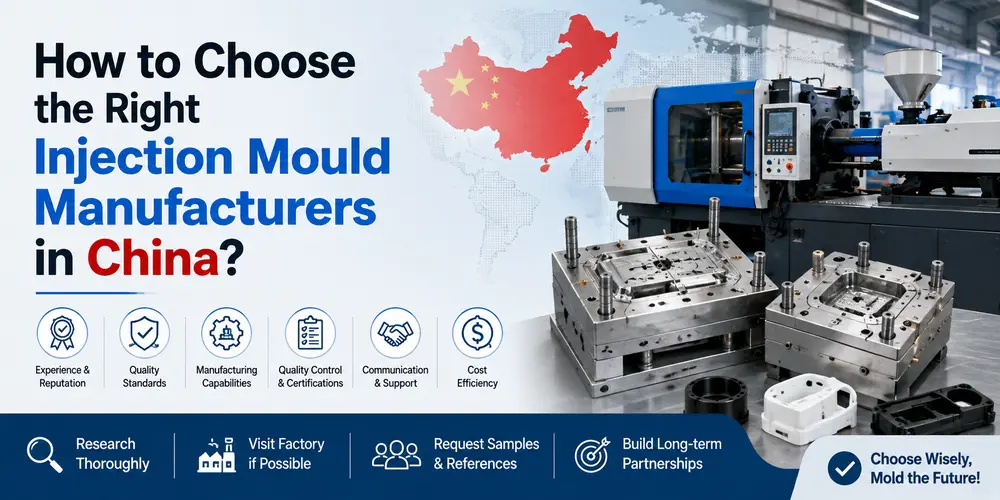
Key Factors to Consider When Choosing a Manufacturer
- Manufacturing Capabilities and Equipment: - Not every casting shop is kinda the same, like it really isn’t. A genuine Magnesium Die Casting Company should run modern cold-chamber die casting machines made for magnesium alloys, and also handle tooling work, CNC machining, surface treatments, plus proper quality inspection tools in house. When you talk to suppliers, don’t be shy, ask about their machine tonnage range, their real production capacity, and if they can manage complicated geometries, thin walls, and tight tolerances.
- Industry Certifications and Compliance: - Good manufacturers usually hold certifications such as ISO 9001, IATF 16949 for automotive parts, or ISO 13485 for medical components. These aren’t just “nice logos”, they often show standardized quality management. A trustworthy Magnesium Die Casting Exporter should be direct about what certifications they have, and they should share documents when you request them.
- Material Quality and Traceability: - Magnesium can be reactive, so melting and casting need careful controls to reduce oxidation. It also brings fire risk into the conversation, so everything should be controlled and documented. Confirm the supplier uses consistent raw materials from reputable sources and keeps material traceability. Ask for mill certificates and alloy composition reports for each batch they actually cast, and don’t accept “trust me” like it’s a proper answer.
- Engineering and Design Support: - The best Magnesium Die Casting Parts Supplier usually doesn’t only “make parts”, they help you from the design stage too. You want to see DFM analysis, mold flow simulation, and prototyping support. That kind of engineering back-up can keep problems from showing up late, when you’re already paying for scale-up, and it can save a lot of time and budget.
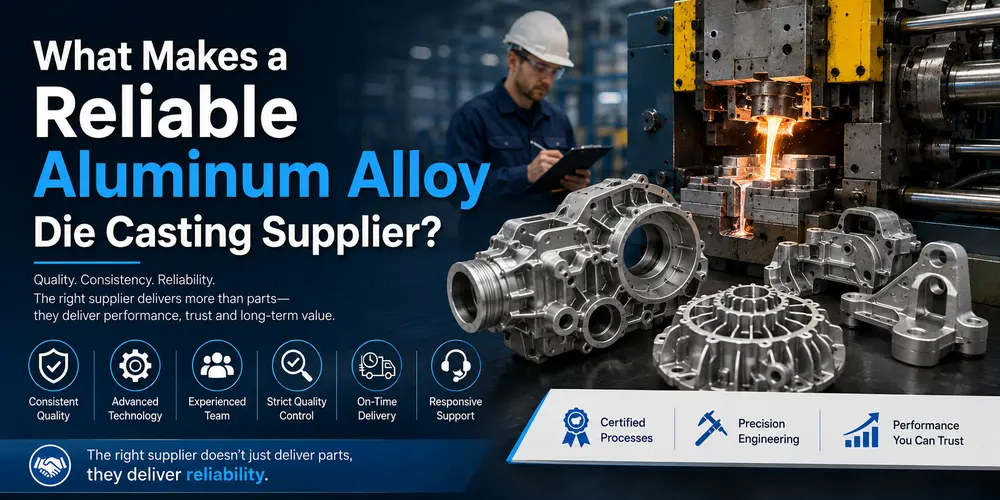
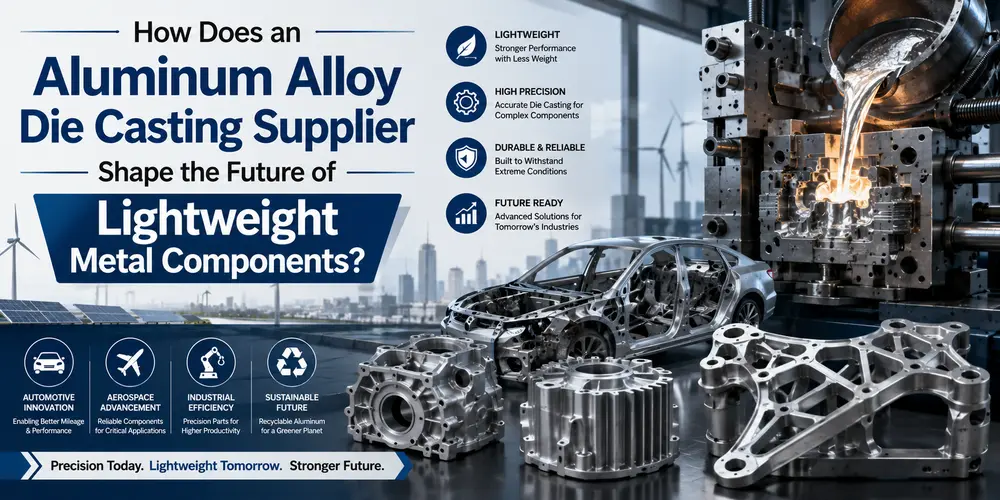
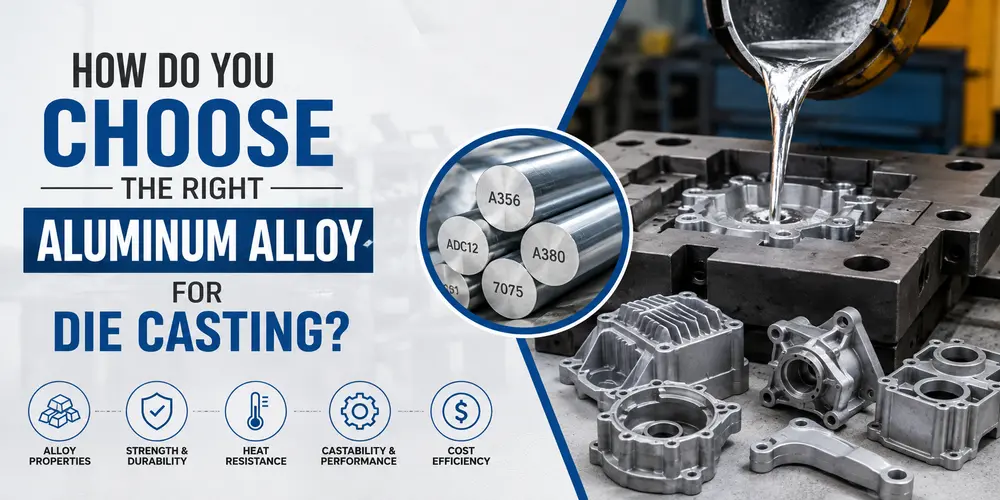
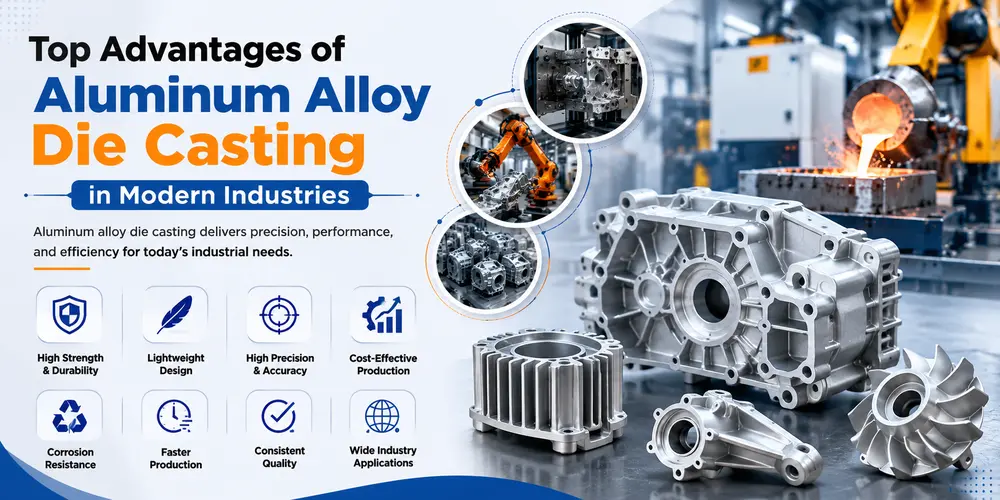
- Quality Control Processes: - A dependable manufacturer should have checks running across the entire process. This starts with incoming material inspection, then in-process controls, then final dimensional verification using CMM (Coordinate Measuring Machine). Ask them about their defect rate, the types of inspection report they provide, and whether they can issue first article inspection (FAI) reports. Some buyers also pair it with an Aluminum Alloy Die Casting Supplier when they want both materials handled under one roof, but honestly that makes supplier selection even more critical, because you’re trusting one “workflow” to meet multiple specs.
- Communication and Responsiveness: - Overseas suppliers really need clear communication, like, it’s non-negotiable. See how fast they reply and how thoroughly they answer. A strong sign is when their sales or engineering team asks detailed technical questions about your project instead of just tossing out a price quickly without fully understanding the requirements.
Where to Look for Potential Suppliers
You can find possible partners several ways:
- Online B2B Platforms: Alibaba, Made-in-China, Global Sources, all list lots of manufacturers, but verification is key since the quality of listings can be very inconsistent.
- Trade Shows: If you can attend manufacturing expos in China, like events in Shenzhen or Dongguan, you can meet suppliers face-to-face, and even inspect facilities.
- Industry Referrals: Ask coworkers or contacts in your sector for recommendations based on real experiences, not guesses.
- Direct Factory Visits: If it’s feasible, visiting the factory yourself, or hiring a third-party inspection service, usually gives the clearest sense of what their capabilities actually are.
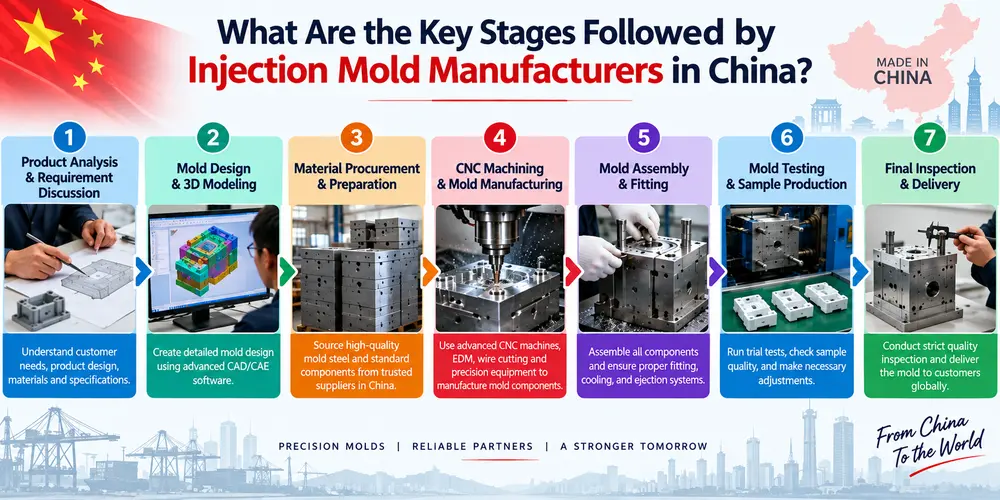
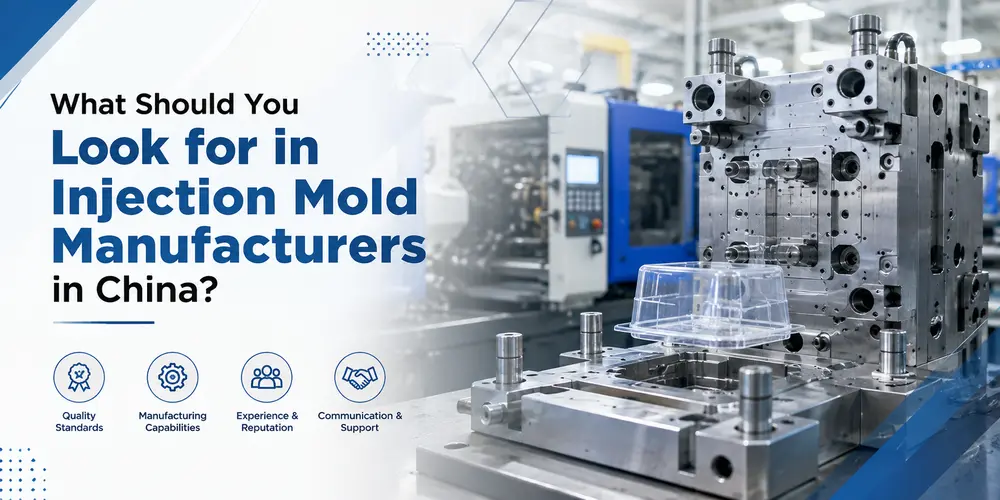
Also, many companies that do magnesium die casting offer extra services. For example, if your product line needs plastic components together with metal parts, you might coordinate with established Injection Mold Manufacturers in China under a shared supplier network. That can streamline the supply chain, reduce lead times , and simplify project management by consolidating vendors, which is sometimes overlooked but honestly helps a lot.
Red Flags to Watch Out For
When you’re searching for a reliable partner, don’t ignore these warning signs:
- They won’t share factory audit reports or client references
- Their prices are way below normal market levels (often meaning they cut corners)
- Communication is messy, or they give vague answers to technical questions
- They don’t have a real factory address, or the company info online looks inconsistent
- They refuse to sign an NDA when discussing proprietary designs
Conclusion: Best Magnesium Alloy Die Casting Manufacturer and Supplier in China
Picking the right magnesium alloy die casting Manufacturer and Supplier in China takes a bit of time, some careful checking, and yeah, a sort of step by step evaluation so you don’t end up stuck with preventable mistakes. If you lean into certifications, engineering help, quality control, and clear, straightforward talking through the process, you can lower the odds of expensive production hiccups, plus those annoying shipment delays that show up when nobody planned for them. For companies that want a stable manufacturing partner, xiongzhigroup.com provides full die casting solutions, mixing modern equipment, practical engineering know-how, and tough quality control standards, so different industry needs get handled properly.
Frequently Asked Questions (FAQs)
1. What is magnesium alloy die casting usually used for?
Magnesium alloy die casting gets used to create lightweight parts for automotive systems, laptop and camera cover pieces, aerospace support brackets, power tool shells, and even medical device housings, mainly where mass reduction matters a great deal.
2. How is magnesium die casting different from aluminum die casting?
Magnesium is a lot lighter than aluminum (about 33% lighter or so) and it still performs strong in many applications. Yet magnesium typically demands more specialized equipment and careful handling, because it behaves more aggressively during the melting stage, so you can’t just run it the same, no.
3. What is the typical lead time for magnesium die casting parts coming from China?
Lead time varies with complexity and order size, but most situations land around 3–6 weeks for tool preparation plus first sample parts, then another 2–4 weeks for full production after approval.
4. How do I actually verify a supplier’s quality claims?
You can ask for certifications, factory audit paperwork, physical sample parts, and references from past customers. If you can’t visit in person, a third party inspection organization can do on site verification too, which helps confirm the claims are real.
5. Can Chinese manufacturers handle small batch or prototype orders?
Yes, a lot of them can do low volume production and rapid prototyping services, which is useful for startups, or teams testing new product concepts before committing to full scale manufacturing.
6. What surface finishing options are typically available for magnesium die cast parts?
Common options are powder coating, anodizing, electroplating, painting, and chromate conversion coating. Each method offers different corrosion protection levels and different appearance results, so the “best” choice really depends on what you’re aiming for at the end.
7. Is magnesium die casting more expensive than aluminum die casting?
Sometimes the magnesium raw material costs more, but the weight savings can cut shipping costs, reduce assembly effort, and even help product performance overall. So in weight sensitive applications, it can still turn out pretty cost effective.
8. What minimum order quantity (MOQ) should I expect?
MOQs depend on the manufacturer and also on how difficult the part design is, but many suppliers are flexible. They may accept both prototype runs with smaller volumes and larger production quantities depending on your needs, plus how fast you want to move forward, honestly.