- BaoZhu Str. 8, Economic Development Zone, XianAn District, XianNing City, 437000, Hubei Province, China


 XiongZhiGroup Co., Ltd
Quality Standards to Check When Ordering Aluminum Die Casting Parts Online
12
Oct 2026
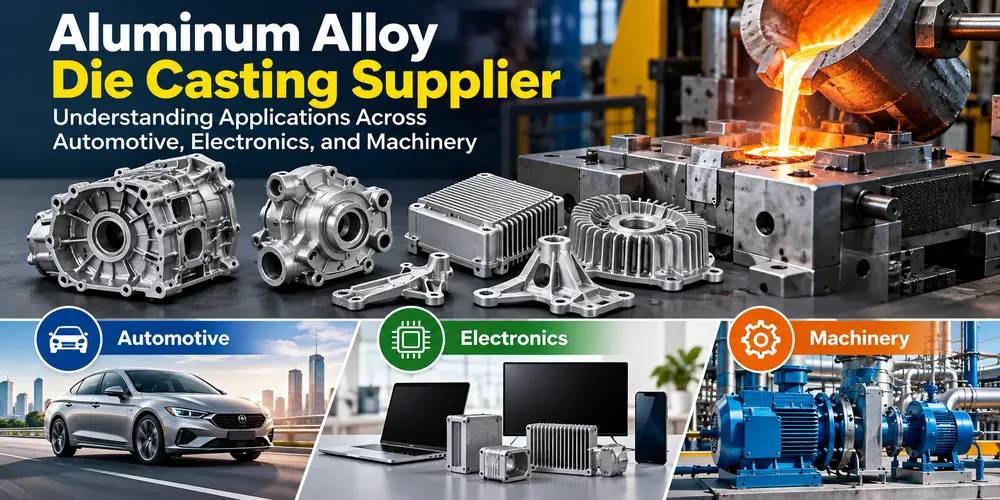
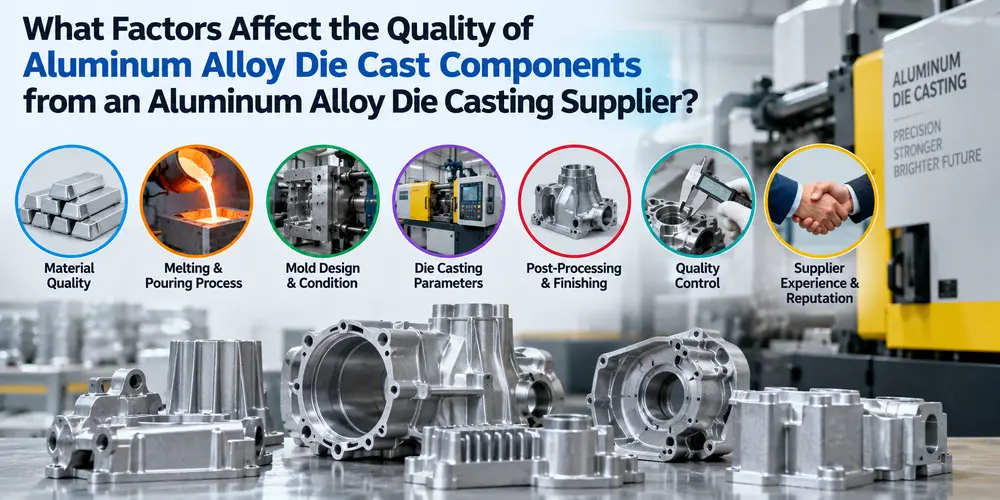
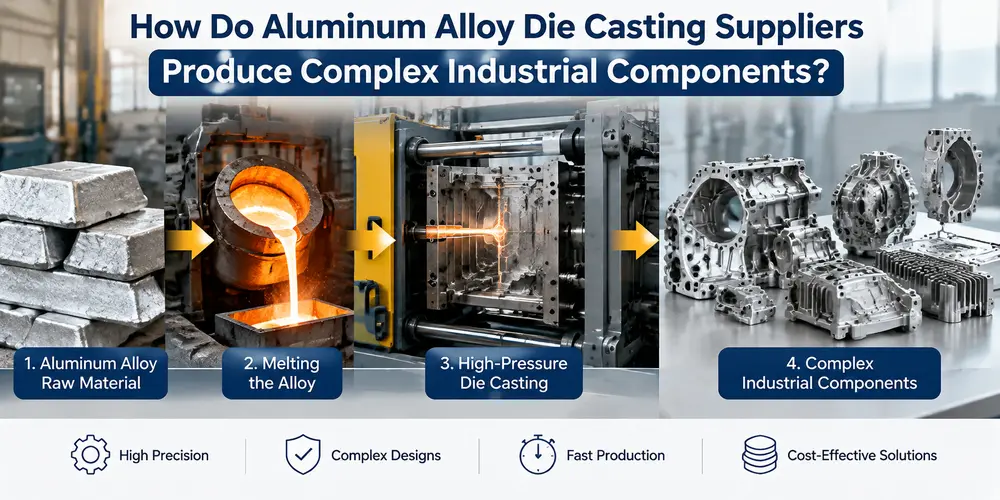
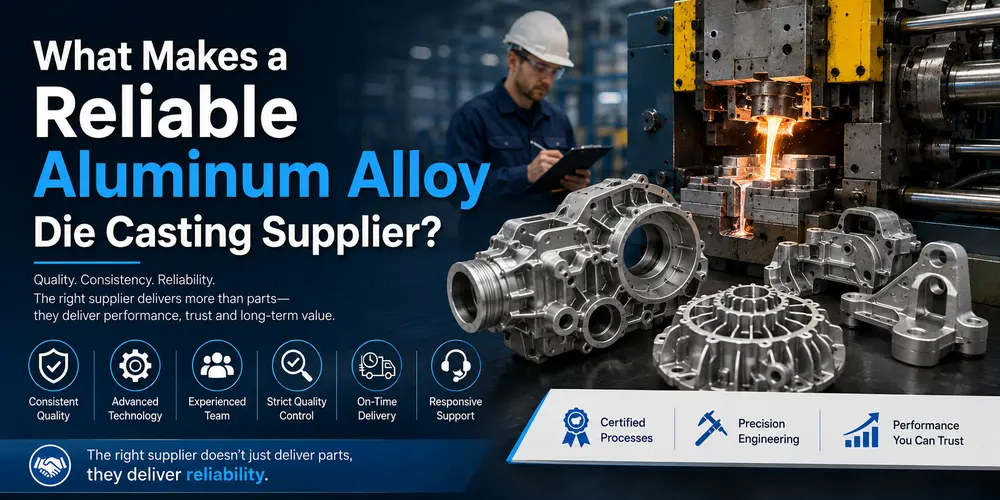
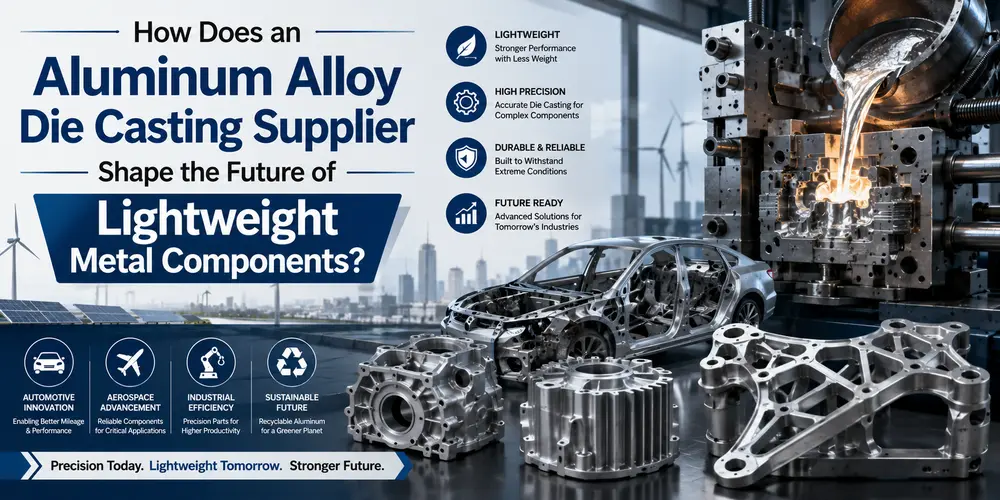
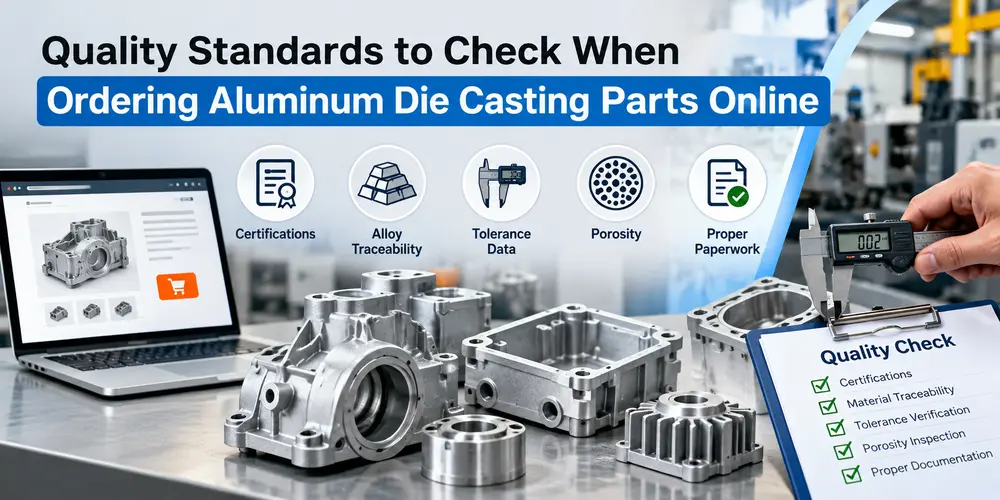
Buying aluminum die casting parts online is kind of faster, yea, but it also feels like you’re stepping without checking the floor. You can’t really hold the piece, measure it, or quietly pop by the factory before paying. If the supplier is a bit weak or just careless, you may get porous castings with warped dimensions, or batches that don’t match each other, and then your production line stalls. Whether your work is injection moulding tooling related, automotive housings, or electronic enclosures, the best protection for both budget and reputation is knowing which quality standards you should verify. A good place to start is a specialist like xiongzhigroup.com, which tends to support buyers who need die-cast components and tooling as a single bundle. A dependable Aluminum Alloy Die Casting Supplier should share certifications, test documentation, and process records in an upfront way. Here are the main standards to look at before your next order, even if it “looks fine” on a quick catalog page.
Quality Management Certifications
Start with the paperwork, honestly. At minimum, a serious supplier should hold ISO 9001, because it signals documented and repeatable quality processes. For automotive work, IATF 16949 is the one to watch. Environmental compliance like ISO 14001 also gives a decent hint that the operation is organized. Ask for current certificate copies, then confirm the issuing body and the expiry timeline. If the certificate is expired, or it covers a different facility than the one that actually makes your parts, that’s a red flag, no debate.
Alloy Grade and Material Traceability
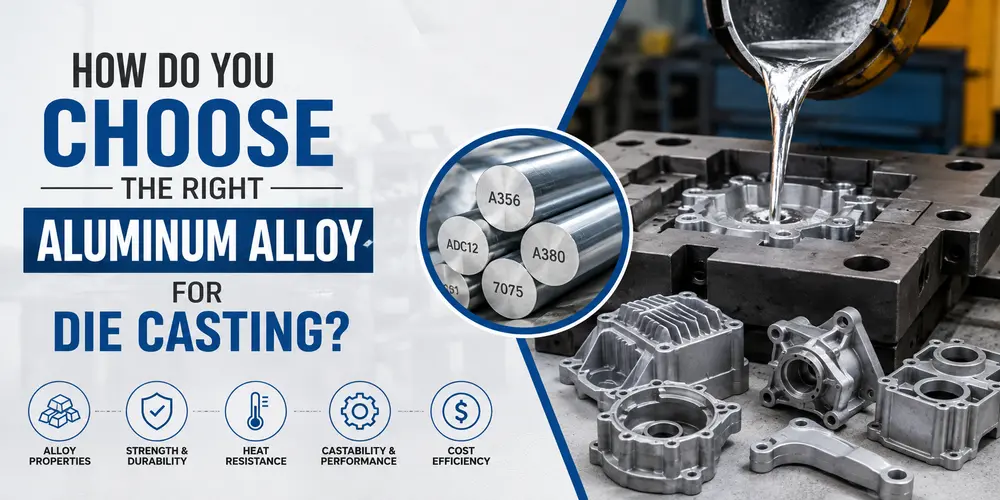
Not all aluminum alloys behave the same, and this matters. Common die casting alloys are A380, ADC12, A360, and A383, each one with its own strength profile, corrosion behavior, and flow characteristics. Your supplier should:
- confirm the exact alloy grade against your drawing
- provide material certificates (chemical composition details) for each lot
- keep traceability from ingot to finished part
- control recycled content, don’t just “allow it” casually unless it’s tested and managed
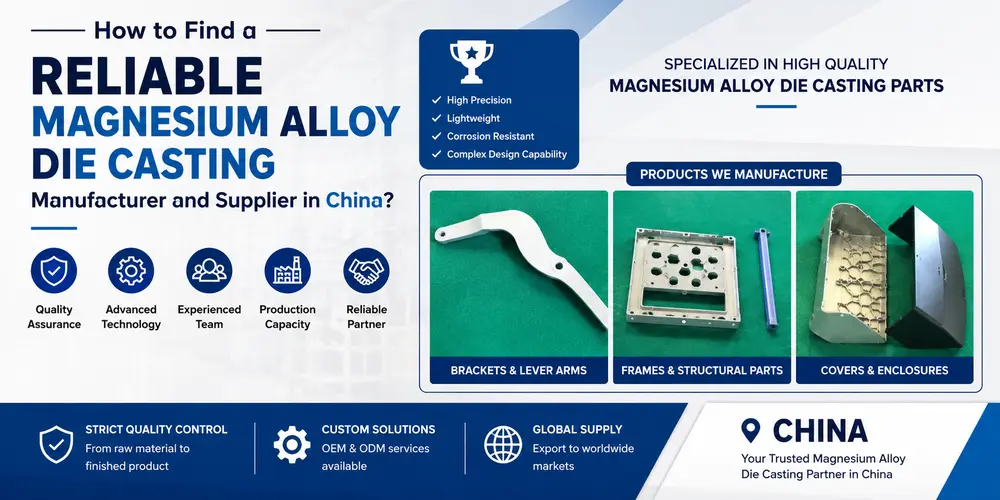
If your design wants lighter weight, ask about alternatives too. Sometimes a Magnesium Alloy Die Casting Manufacturer and Supplier in China can offer pieces about 30% lighter than aluminum, which fits portable electronics and weight-reduction programs in vehicles.
Dimensional Accuracy and Tolerances
Die casting is near-net-shape, yes, but tolerances still matter because reality exists. Standards such as NADCA and ISO 8062 describe achievable tolerance grades. Check that the supplier:
- reviews your drawing and points out features that are difficult to keep stable
- uses CMM inspection for critical dimensions
- provides a First Article Inspection Report (FAIR) before full production ramps
- applies statistical process control (SPC) to monitor dimensional drift over time
Try to request a sample inspection report, so you can see how results are documented. Words like “high precision” are useless if there’s no measured data behind them, and you deserve numbers not vibes.
Porosity and Internal Defect Control
Porosity is, unfortunately, the usual quality problem in die casting. Gas pores and shrinkage voids can weaken parts, create leaks for pressure-tight uses, and ruin surface quality after plating or anodizing. Ask the supplier how they control it, including things like:
- vacuum-assisted die casting to reduce trapped air
- mold flow simulation during design, to tune gating and venting
- X-ray or CT scanning on critical components
- leak testing for parts that handle fluids or gas
For structural or safety-related parts, specify an acceptable porosity level in your purchase agreement, and ideally reference ASTM E505 or something equivalent.
Surface Finish and Cosmetic Quality
Appearance matters more than people admit, especially for items that customers actually see. Define cosmetic expectations before you order, including acceptable levels of flow marks, cold shuts, flash, and die lines. Also clarify finishing options like shot blasting, powder coating, anodizing, chromate conversion, and e-coating. Whenever possible, approve a golden sample that both sides agree on as the visual reference. That way later disputes don’t get weird and personal.
Mechanical Property Testing
Depending on use-case, the supplier should be able to test tensile strength, yield strength, elongation, and hardness. Ask whether tests are performed in-house, or by an accredited third-party lab. If they can cast sample test bars alongside production parts, you usually get a more honest view of actual performance.
Tooling Quality and Mold Management
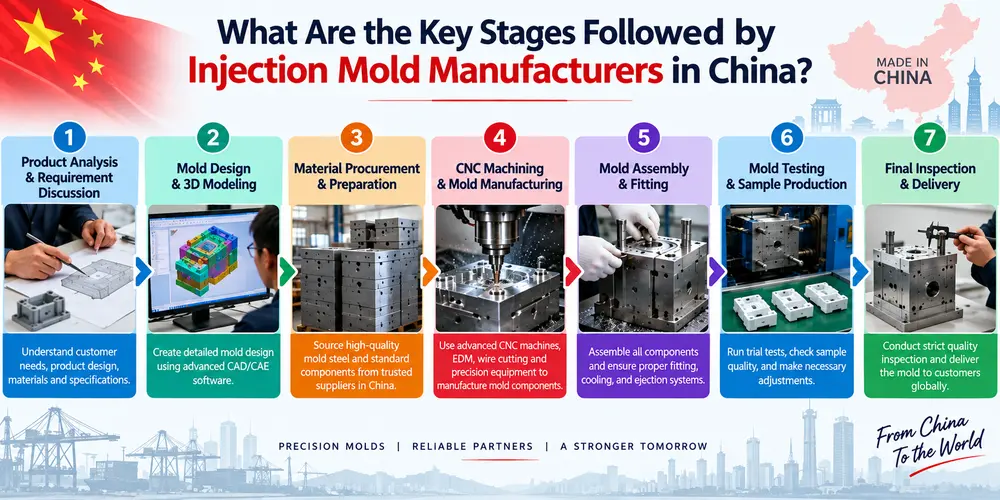
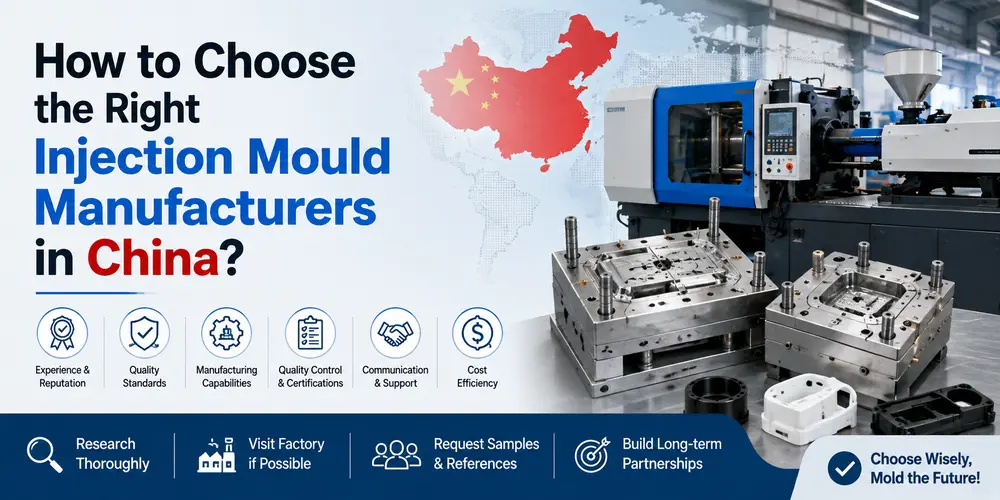
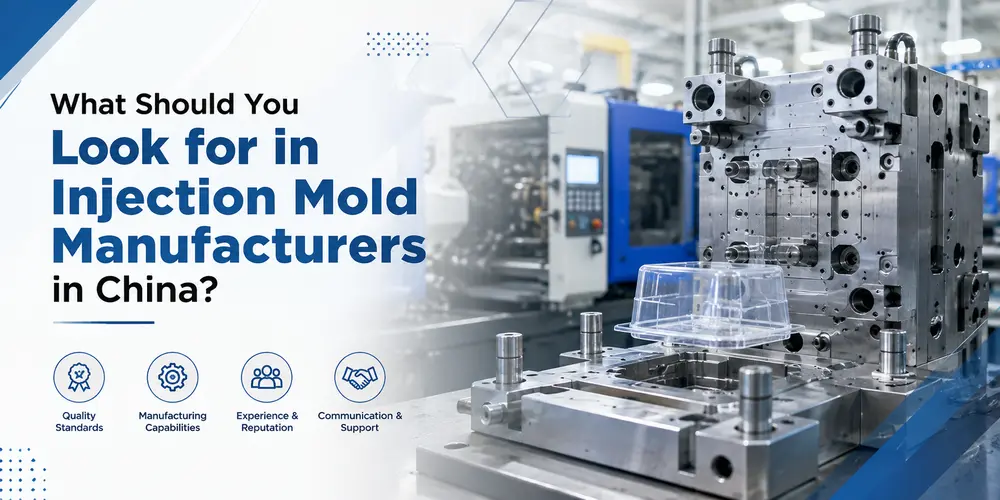
The die cast part really starts from the mold, not after. And yeah, if the tooling construction is weak or poorly sorted out, you can get flash, unexpected wear, and dimensional variation, within only a few thousand shots. If the supplier makes the tools in-house, you should ask about the steel grade (H13 is pretty common), heat treatment, and what tool life they realistically expect. If the tooling is outsourced then don’t just accept “we use good partners”, find out which partners they actually rely on, and how that relationship works day to day. Working with experienced Injection Mold Manufacturers in China is helpful because it makes everything feel more solid tool design, cooling channel layout, and ejection systems are more likely to be engineered properly from the beginning. Also, if a supplier can do integrated tooling plus casting capability, they can usually fix design issues faster, which shortens lead times, and yes it reduces rework a lot.
Production Equipment and Capacity
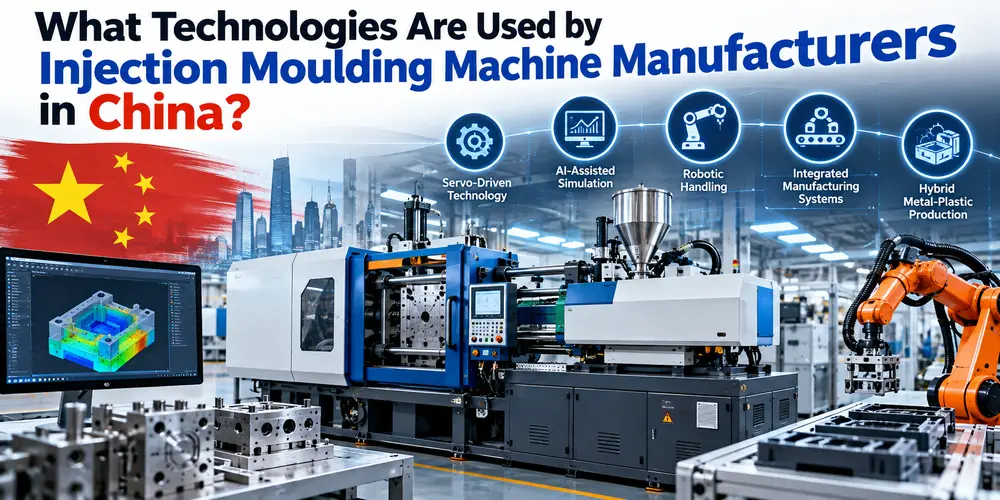
The machines that run your parts determine consistency, not just marketing slides. Look for modern cold-chamber die casting machines, ideally with real-time monitoring for shot speed, pressure, and temperature. Reliable suppliers usually invest in automation, and some source equipment from established injection moulding machine manufacturers in China and abroad. Ask about machine tonnage range, backup capacity, and how they handle peak demand without compromising quality.
Conclusion Choose Quality Before You Choose Price When You Order Aluminum Die Casting Parts
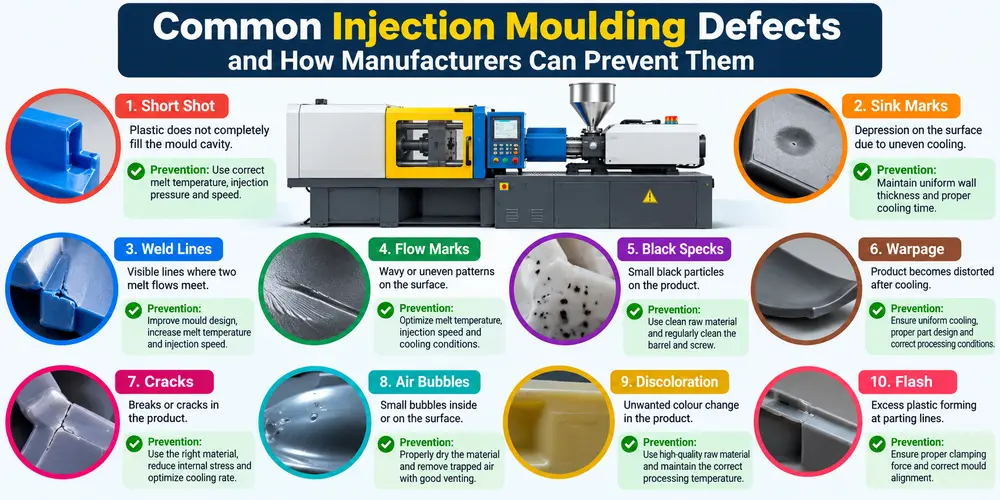
Ordering aluminum die casting parts online doesn’t have to feel like a gamble. First, verify certifications, confirm alloy traceability, demand measurable tolerance data, keep an eye on porosity, and make sure the paperwork is proper. When you stack those checks with sample approvals and clear contracts, your risk goes down a lot, like noticeably. Common Injection Moulding Defects and How Manufacturers Can Prevent Them When you stack those checks with sample approvals and clear contracts, your risk goes down a lot, like noticeably. Whether you need die-cast components, plastic tooling, or full injection moulding solutions, teaming up with a capable one-stop supplier really helps time gets saved and quality gets protected. If you want to explore the options, head to xiongzhigroup.com and talk with an experienced team about your project.
Frequently Asked Questions FAQs
1. What is the most important certification to look for in a die casting supplier?
ISO 9001 is the baseline. For automotive work IATF 16949 is strongly recommended, so don’t skip it.
2. How can I reduce porosity in aluminum die cast parts?
Use vacuum-assisted casting, tune the gating with mold flow analysis, and specify X-ray inspection for the parts that matter most.
3. What aluminum alloy is best for die casting
A380 is usually the go-to, because it kind of hits that sweet spot between strength, castability, and overall cost. ADC12 and A360 can work for certain kinds of requirements, like corrosion resistance, or pressure tightness, but they’re not always the default.
4. Can the same supplier handle both die casting and mold making?
Yes. A lot of integrated suppliers, including well established injection mold manufacturers in China, will bundle the design, tooling, casting, and finishing all under one roof. So you do not have to chase multiple vendors for each step.
5. Is magnesium a good alternative to aluminum?
Magnesium is lighter, and the stiffness-to-weight ratio is pretty impressive. That said it can cost more, and it needs careful handling, especially around safety. If you go with it, a qualified magnesium alloy die casting manufacturer and supplier in China can help you confirm it really fits your application.
6. Should I order samples before mass production?
Yes, always. Prototype or pilot orders help you confirm dimensions, surface finish, and that the material is matching what you expect before you commit to full volume.
7. What documents should I receive with each shipment?
You should receive material certificates, inspection reports, and certificates of conformance. For new parts, you typically also get a PPAP or FAIR package. (depends on what your project needs)
8. How do I verify an online supplier is legitimate?
Start by checking business licenses and certifications, ask for a video demonstration, or a third-party audit if possible. Then review customer references. After that, start with a small trial order first, instead of jumping in right away.