- BaoZhu Str. 8, Economic Development Zone, XianAn District, XianNing City, 437000, Hubei Province, China


 XiongZhiGroup Co., Ltd
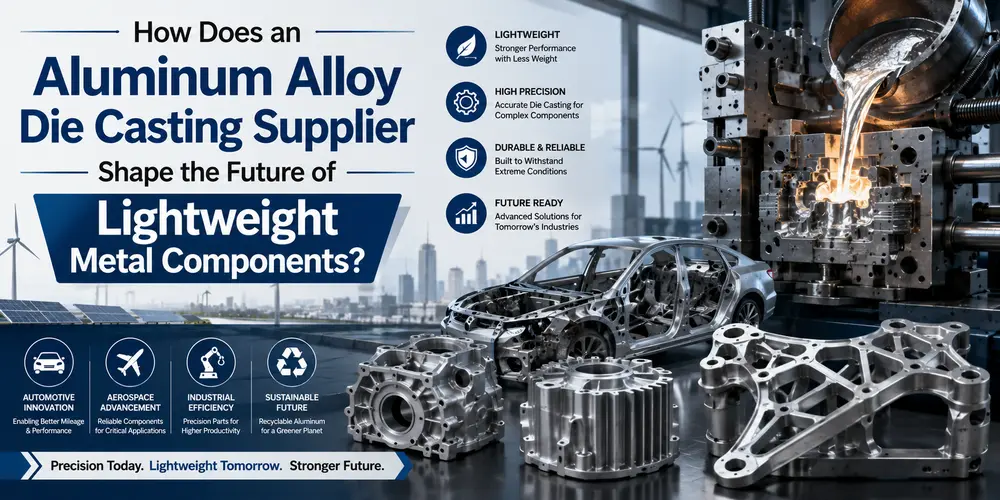
How Does an Aluminum Alloy Die Casting Supplier Shape the Future of Lightweight Metal Components?
18
Aug 2026
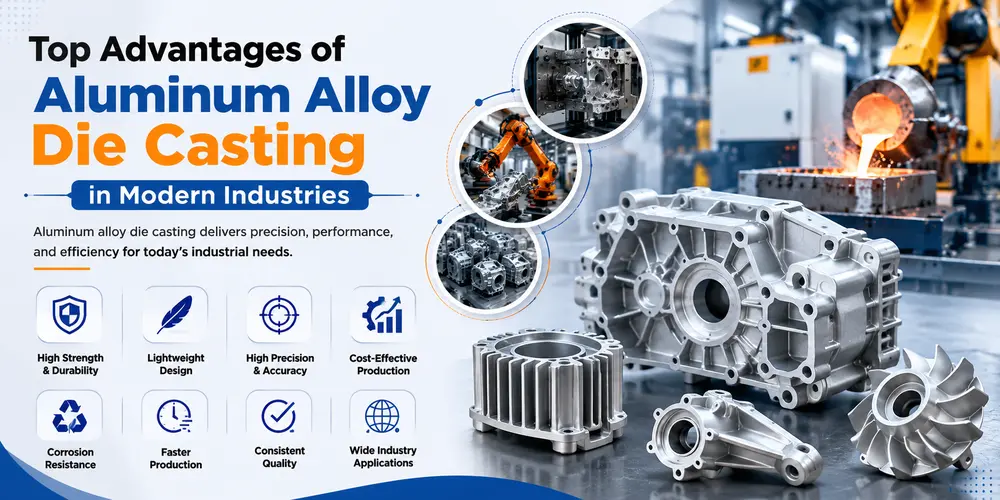
The push toward lighter, stronger, and more efficient metal parts just keeps getting louder. From electric vehicles to consumer electronics, whole industries are basically sprinting to cut mass without giving up strength, and that’s where an Aluminum Alloy Die Casting Supplier really steps in. These suppliers aren’t only people making parts on demand They’re more like technical co-pilots who affect design calls, material selections, and how the finished product performs over time. When you understand how these suppliers operate, and why they matter, the direction of the entire lightweight components industry starts to make more sense.
The growing appetite for lightweight metal components
Weight reduction isn’t some “nice to have” goal anymore. It’s a real engineering requirement. Automakers need lighter vehicles to boost fuel efficiency and to help EV battery range stretch further. Aerospace teams look for parts that reduce fuel burn while still keeping structural strength in place. Consumer electronics brands, meanwhile, want housings that look premium, feel good in-hand, and still stay thin, plus portable. Aluminum, with its solid strength-to-weight profile, resistance to corrosion, and easy recyclability, has become the go-to choice for meeting all these goals. Still, producing top-tier aluminum parts at scale isn’t something every manufacturer can handle well. That’s where the right die casting partner becomes a major advantage.
What makes a die casting supplier essential during product development
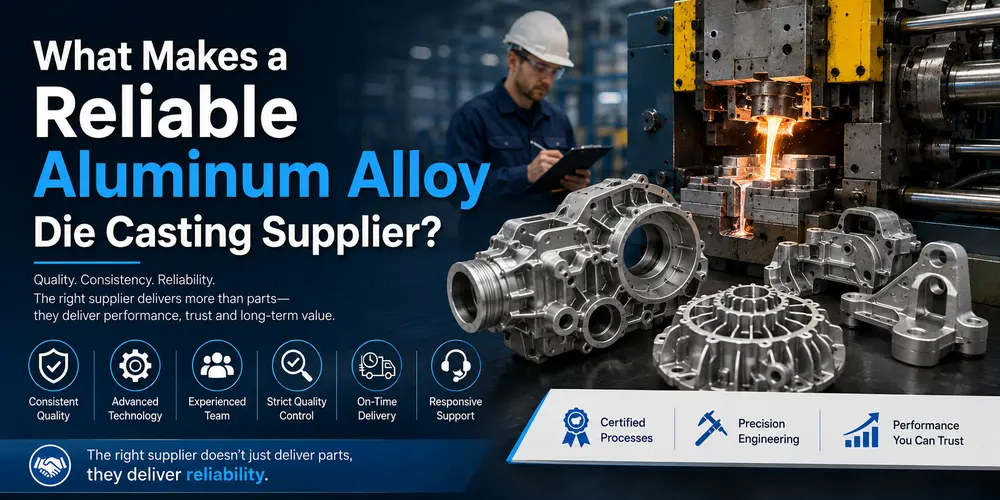
A solid Custom Aluminum Die Casting Manufacturer does more than melt metal and pour it into a mold. They get involved early, when product design is still flexible, and they help with wall thickness, draft angles, the gating system, and the alloy pick. That early back-and-forth helps avoid expensive redesign cycles later on, and it also supports parts that are easier to produce while still doing exactly what the product needs. Also, custom die casting tends to be flexible. Whether a client wants a small run for prototypes, or needs millions of units each year, a strong supplier can scale output while keeping tolerances steady and surfaces looking right. This kind of adaptability is useful for both new teams and long-running brands, because it removes the need to build internal casting systems, but you still end up with parts made to tight specifications.
Key advantages of partnering with a professional die casting supplier
Before going deeper into the technical side, it helps to lay out why so many product teams decide to outsource this part of manufacturing instead of building capacity in-house:
- Smoother time-to-market, since tooling design, sampling, and production planning can happen in parallel
- Less upfront capital work, because the supplier owns, and maintains the casting equipment
- Direct access to specialized engineering skills in alloy behavior, gating, and thermal management
- Production that can scale from prototype quantities to millions of units without swapping suppliers
- Solid quality control backed by systems like X-ray scanning and leak testing
- Wider material options, including aluminum, magnesium, and zinc alloys under one roof
- Fewer supply chain headaches when the same partner also provides machining and molding services
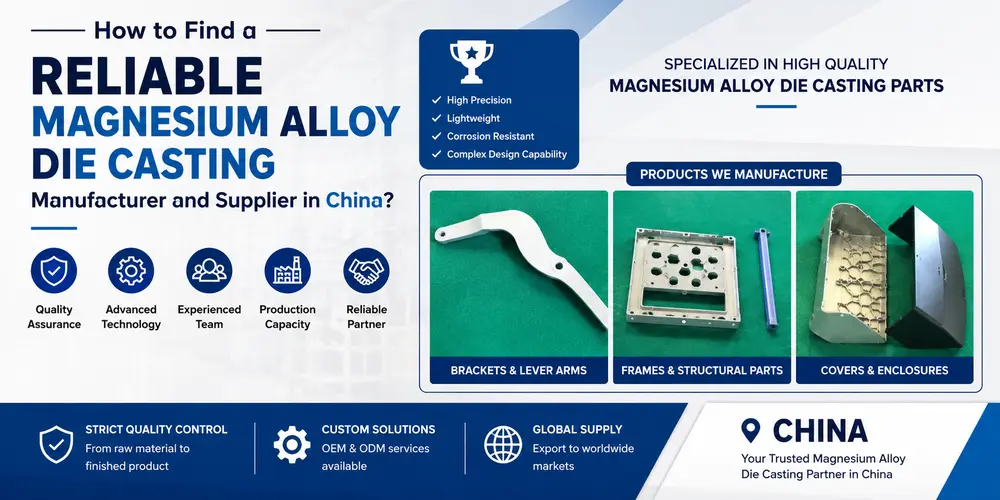
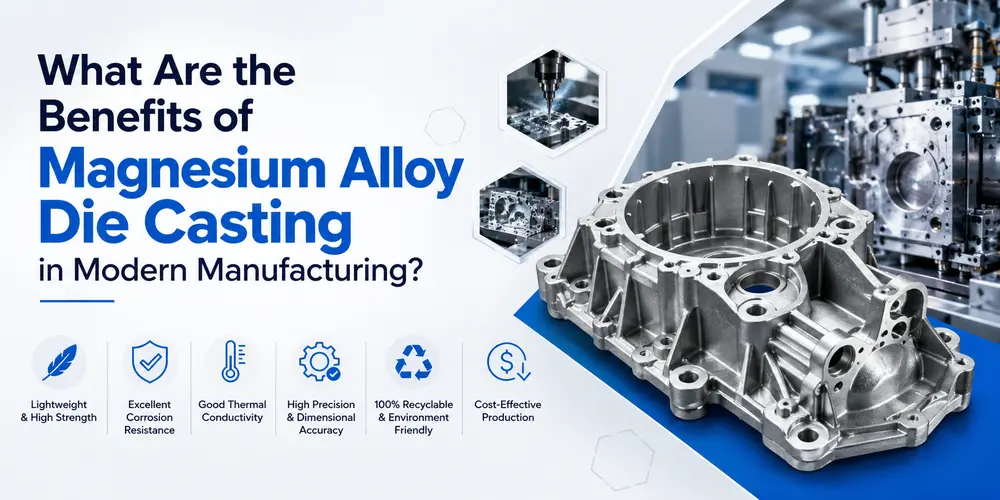
Over time, these benefits stack up, so long-term relationships with a trusted supplier often beat a purely transactional “cheapest bid wins” approach. And yes, alongside their aluminum know-how, many of these firms also work as a Magnesium Alloy Die Casting Manufacturer and Supplier in China, so engineers can tap into a wider set of lightweight alloys for special use cases.
Precision, consistency, and industrial-scale reliability
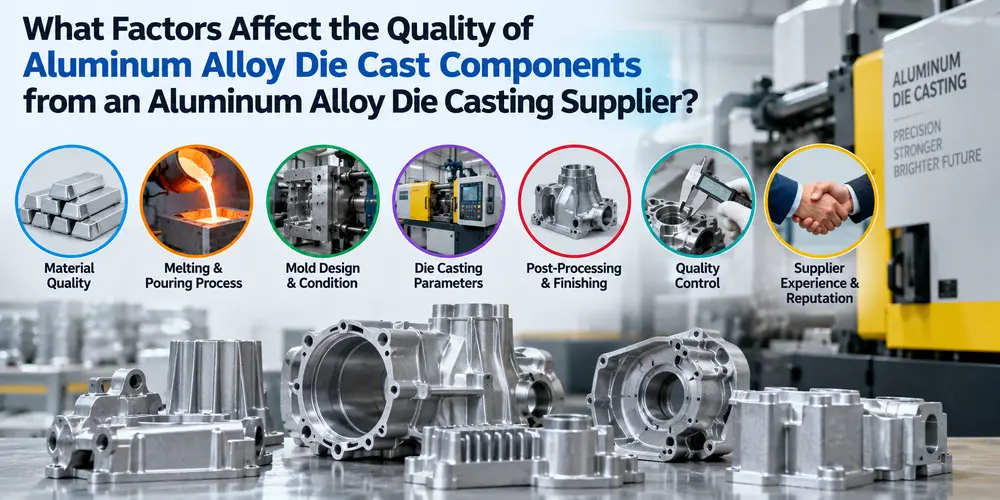
In areas like automotive, industrial machinery, and telecommunications equipment, tolerances matter a lot. One inconsistent batch can mess up an entire assembly line. Because of that, working with an Industrial Aluminum Die Casting Supplier that uses robust quality control including X-ray inspection, dimensional scanning, and leak testing is critical for companies that can’t handle delays or field failures. Industrial-level suppliers often invest in high-pressure die casting machines, automated trimming gear, and CNC machining centers for secondary tasks. This type of vertical setup shortens lead times and keeps costs more predictable, which is important when companies are juggling large production volumes across multiple product families.
Supporting the full product lifecycle
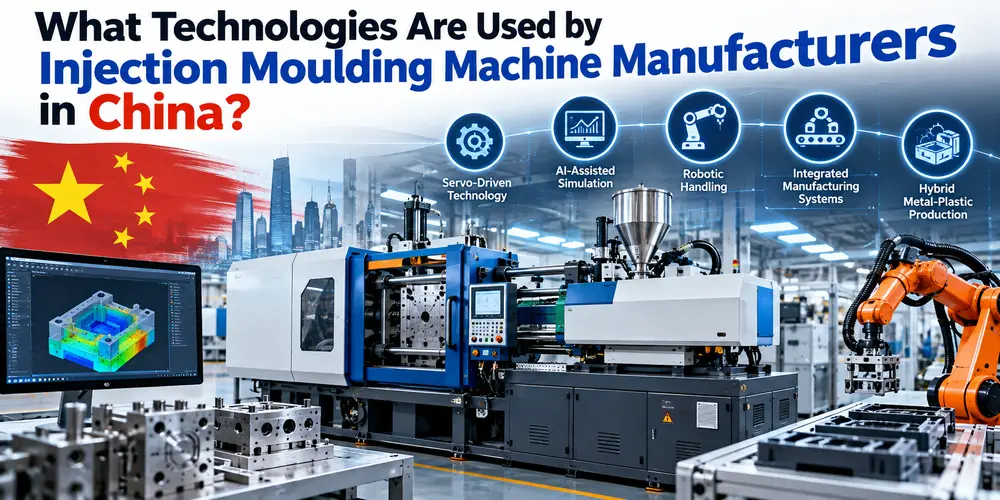
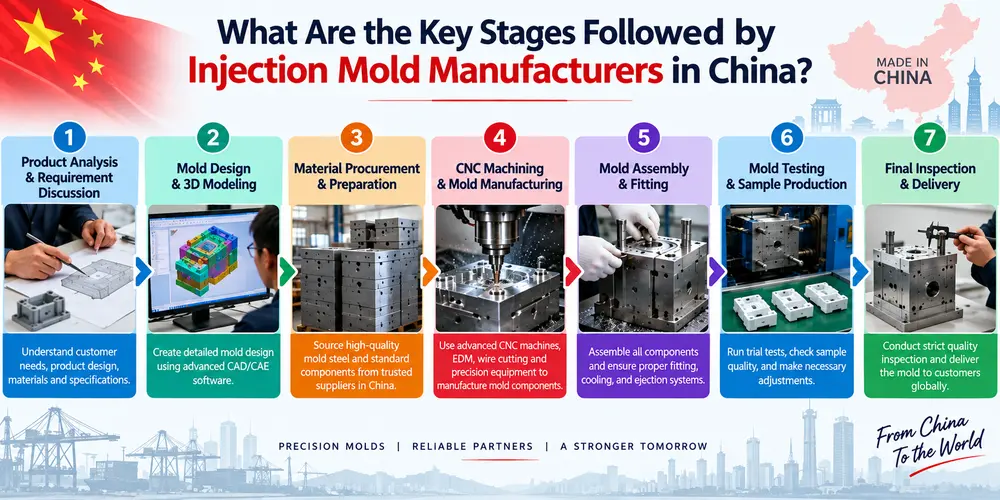
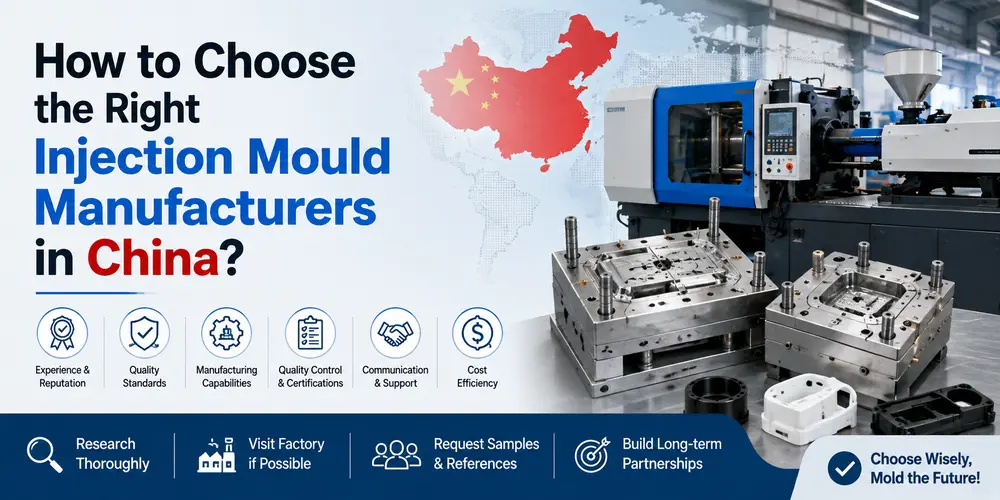
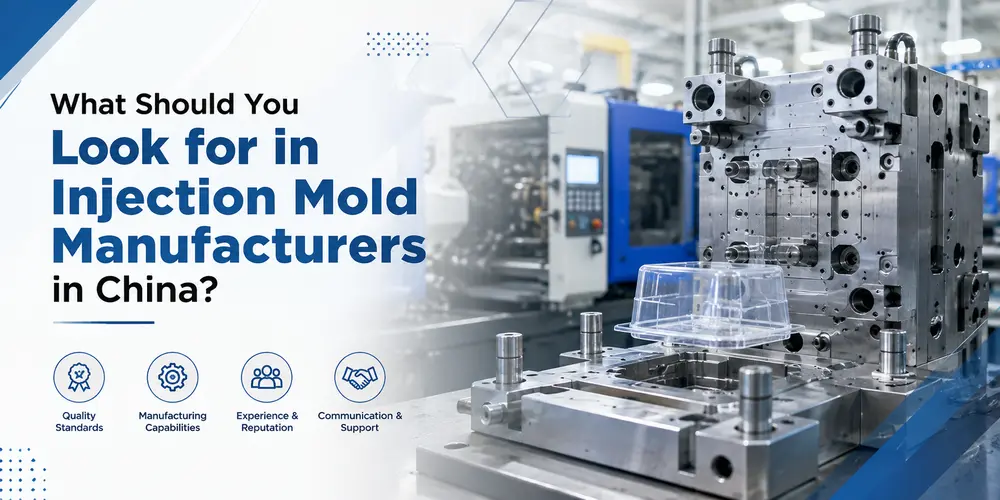
Die casting usually doesn’t stand alone. Most finished components need additional steps like tooling, secondary machining, surface treatment, and even assembly assistance. That’s why many of the same companies that do well in aluminum and magnesium casting also operate as trusted Injection Mold Manufacturers in China, providing plastic over molding, hybrid metal-plastic assemblies, and related tooling solutions under one umbrella. For product teams, this “one-stop” setup can simplify sourcing, lower communication friction, and speed the journey from prototype to mass production. This full-cycle support is turning into a real signature for forward-looking suppliers. Instead of clients coordinating separate vendors for casting, machining, and molding, an integrated partner can run the whole workflow, and keep quality and timing aligned at every stage.
Conclusion: Your Best Aluminum Alloy Die Casting Supplier
Picking the right Aluminum Alloy Die Casting Supplier is one of the most impactful choices a product team can make, it’s kind of like, if you get it wrong everything else gets messy. A dependable supplier affects more than just the cost of production; it also touches performance, durability, and that hard to see manufacturability side of the final product. From custom prototyping to full industrial-scale output, and from aluminum to magnesium alloys, the “right” partner kind of brings real technical depth plus production flexibility into the mix. And when they also have complementary strength like injection molding, they end up shaping how lightweight metal components will actually look and behave for years. For teams that want dependable casting know-how and customized lightweight component solutions, xiongzhigroup.com can be treated as a manufacturing option worth exploring for die-casting and related requirements.
Frequently Asked Questions
1. What is the difference between aluminum die casting and more traditional casting methods?
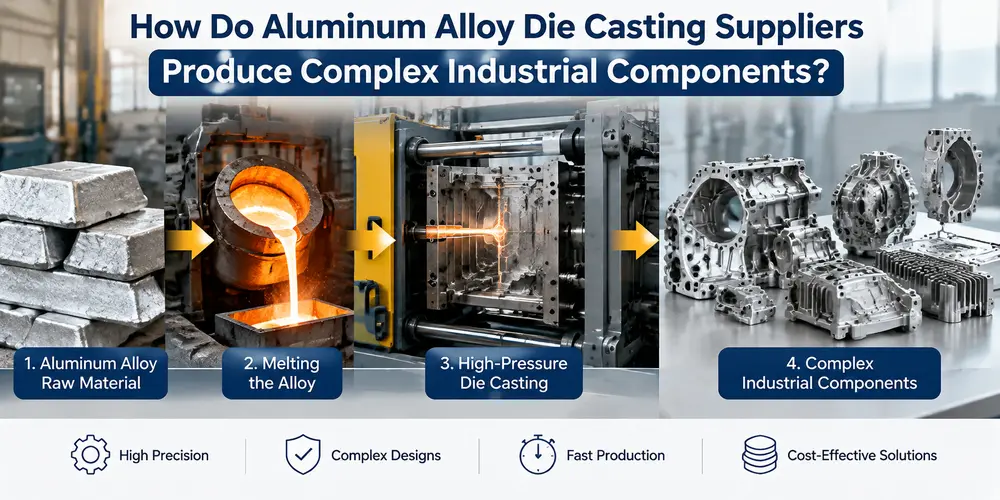
Aluminum die casting basically relies on high-pressure injection of molten aluminum into precision-machined steel molds , this tends to give tighter tolerances, a smoother surface finish, and faster output compared with sand casting or gravity fed casting approaches
2. How do I choose between aluminum and magnesium for my component, in real life?
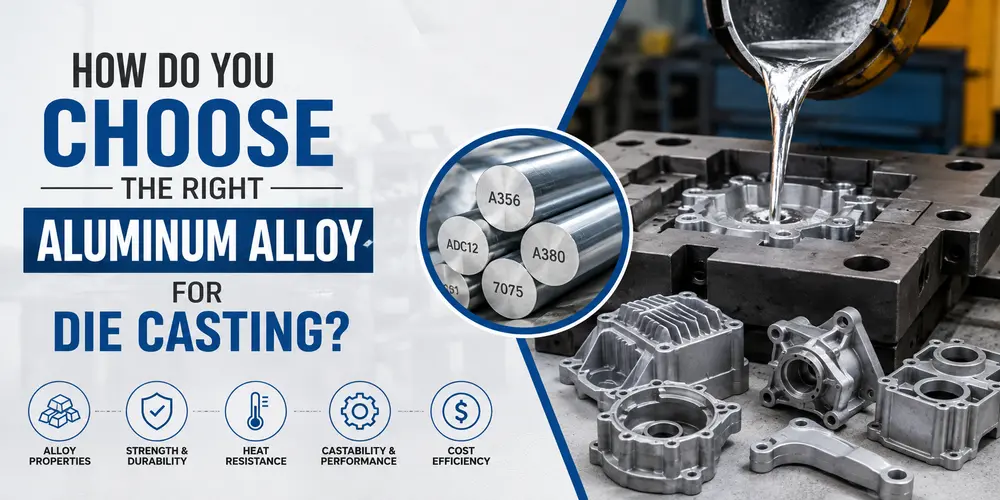
It really comes down to what matters most for the performance story. Aluminum offers a steady middle ground across weight, strength, and cost, while magnesium is lighter and often shows better vibration damping, so it can be a sensible choice for things like electronics housings or certain automotive sections
3. What industries usually benefit the most from custom aluminum die casting?
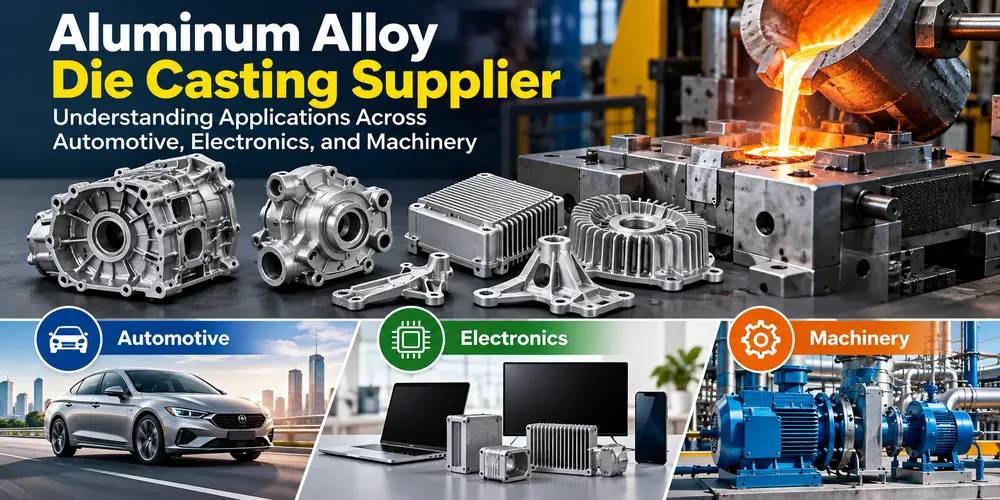
Automotive, aerospace, consumer electronics, telecommunications, industrial machinery, and renewable energy these kinds of fields tend to use custom die-cast aluminum parts because they bring lightweight behavior plus durable operation, in a very repeatable way
4. Can a die casting supplier help with early product design, or is it strictly manufacturing?
Yes, many seasoned suppliers can support design-for-manufacturability (DFM) discussions, which means they can tweak wall thickness, draft angles, and gating even before tooling starts, that often prevents those expensive late-stage revisions
5. How long does tooling development usually take for a new die casting project?
The schedule moves around depending on complexity, but it commonly lands from a few weeks to roughly a couple months, usually factoring in design checks, mold fabrication, and early sample trials
6. Do die casting suppliers also handle secondary processes like machining and surface finishing?
Often, yes. A lot of larger providers give integrated services such as CNC machining, powder coating, anodizing, and plating, so clients can get parts that are almost ready-to-assemble instead of coordinating multiple vendors, one after the other
7. Is die casting suitable for low-volume work or prototypes?
Yeah, many companies can run small-batch prototype work using simplified tooling, so you can confirm the design, find issues early, and avoid committing to full-scale production tooling too soon
8. Why would a company need an injection molding partner alongside a die casting supplier?
Because many finished products mix metal features with plastic pieces. If you line up partners for both die casting and injection molding, procurement becomes simpler, compatibility is easier to keep aligned, and the full production timeline can shrink, even if the product is a bit complicated.