- BaoZhu Str. 8, Economic Development Zone, XianAn District, XianNing City, 437000, Hubei Province, China


 XiongZhiGroup Co., Ltd
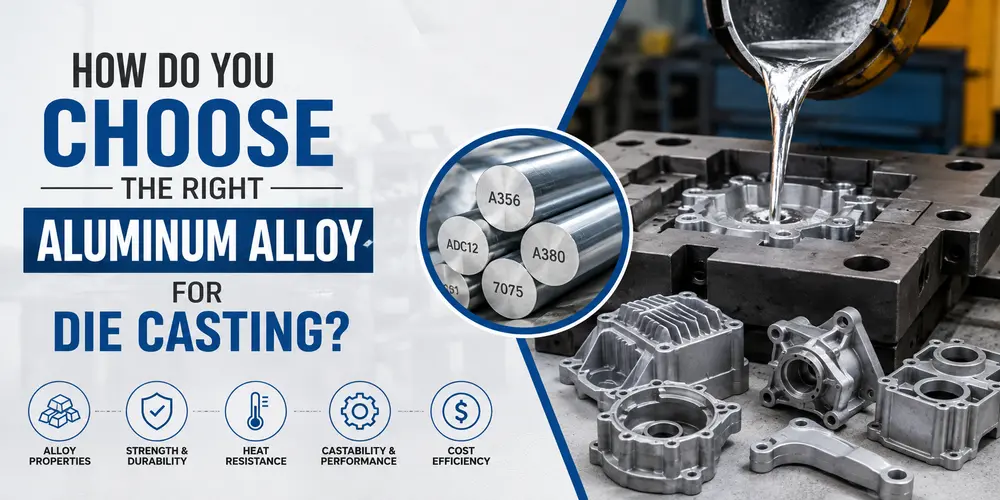
How Do You Choose the Right Aluminum Alloy for Die Casting?
04
Aug 2026
Choosing the right aluminum alloy Die Casting is one of the most important decisions in the whole die casting process really. The alloy you pick will directly touch the strength, durability, surface look, and also the overall cost of the final part. But with so many aluminum grades floating around, working with a seasoned Aluminum Alloy Die Casting Supplier can totally swing things between a component that runs smoothly and one that starts failing under stress, pretty quick. So, if you’re buying stuff for automotive, electronics, or industrial machinery, taking time to understand alloy selection, plus knowing where to buy Magnesium alloy die casting online as a kind of alternative for select light-weight uses, helps manufacturers move smarter and faster.
Understanding Aluminum Alloys in Die Casting
What Are Aluminum Die Casting Alloys?
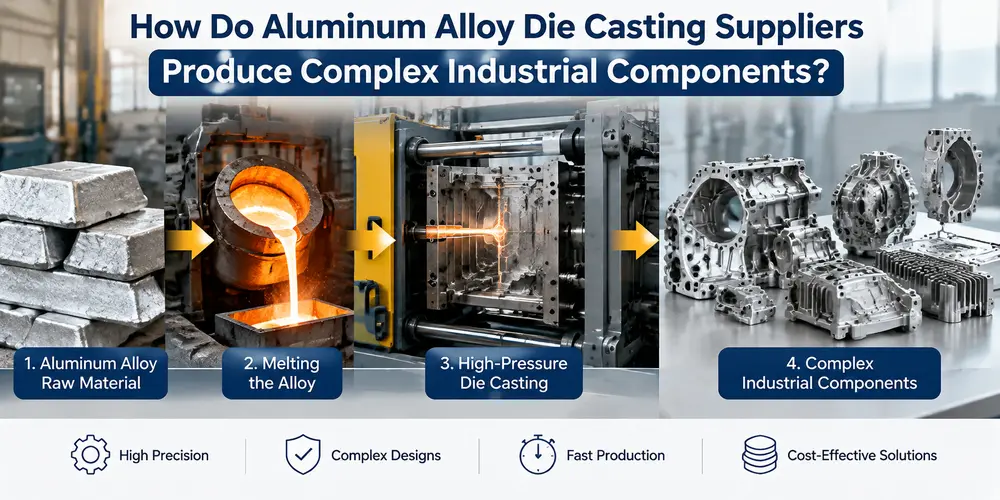
Aluminum die casting alloys are made from aluminum mixed with silicon, copper, magnesium, zinc, and a few other elements too. Each extra element changes things like mechanical behavior, casting flow, and also how well the metal resists corrosion, and heat. In die casting, the alloy is melted and then pushed into steel dies, under high pressure, to form accurate, complicated pieces with limited post-processing, which is usually the goal.
Why Alloy Selection Matters
Here’s the thing, not every aluminum alloy acts the same. Some give better fluidity for tricky shapes, while others tend to show stronger resistance to corrosion, or more toughness. Choose wrong and you can end up with porosity, cracking, a rough surface appearance, or even earlier-than-expected failure. And then the costs rise, timelines slip, and everyone gets a headache.
Key Factors to Consider When Choosing an Aluminum Alloy
1. Mechanical Strength Requirements
If your part will see heavy mechanical stress, then you’ll want alloys known for higher tensile strength and hardness, like A380 or A383. These alloys are commonly used for structural bits, brackets, and housings, the kind that need to handle repeated load without getting bent, or deformed.
2. Corrosion Resistance Needs
For pieces dealing with moisture, chemicals, or just general outdoor life, it’s usually smarter to go with alloys that resist corrosion better, like A413. This becomes kind of a big deal for marine equipment, outdoor lighting fixtures and those automotive underbody areas where the surroundings are basically chewing on the metal every day, no kidding.
3. Thermal and Electrical Conductivity
Some jobs, like heat sinks, electronic enclosures, or anything near an engine, really lean on solid thermal conductivity. Alloys such as A360 are often picked because they can move heat away quickly, that helps the setup stay safer, and not overheat so fast, or at least not in a more dramatic way.
4. Casting Complexity and Fluidity
When your design is complicated, or you’re casting thin-walled shapes, fluidity matters a lot. You want the molten metal to slip into the mold cavity completely, before it decides to start solidifying. Alloys that have higher silicon content generally flow easier, which reduces the chance of incomplete filling, surface flaws, and other casting annoyances.
5. Surface Finish and Machinability
If you’re going to machine the part after casting, or you’re planning to paint, plate, do some finishing work, then the alloy can affect how smoothly those steps go. Some alloys give you a nicer finish sooner than others, and that counts for consumer-visible items like electronics housings and decorative hardware.
6. Cost and Production Volume
Let’s be real, cost always shows up. Common alloys like A380 are typically budget-friendly and not too hard to source, so they end up being the default when you’re doing big production quantities. Also, if you work with a trustworthy Aluminum Die Casting Exporter, you can often keep material quality steadier while still aiming for competitive pricing on international orders.
Common Aluminum Alloys Used in Die Casting
- A380: honestly, this one is probably the most used alloy overall, it hits a decent balance between strength, hardness, and cost-effectiveness. You’ll see it in automotive brackets, housings, and lots of general industrial components.
- A383: it’s known for strong die filling ability, so it fits well for intricate, thin-walled designs where tolerances have to stay tight.
- A360: brings decent corrosion resistance together with thermal performance, which is why it shows up in electronics and marine-style environments.
- A413: it provides good pressure tightness plus corrosion resistance, so it’s often chosen for pump casings and hydraulic pieces.
- ADC12: common across several Asian manufacturing regions, because it offers good mechanical behavior along with smooth casting fluidity, so you frequently find it in automotive parts and appliance components.
Working with the Right Manufacturing Partner
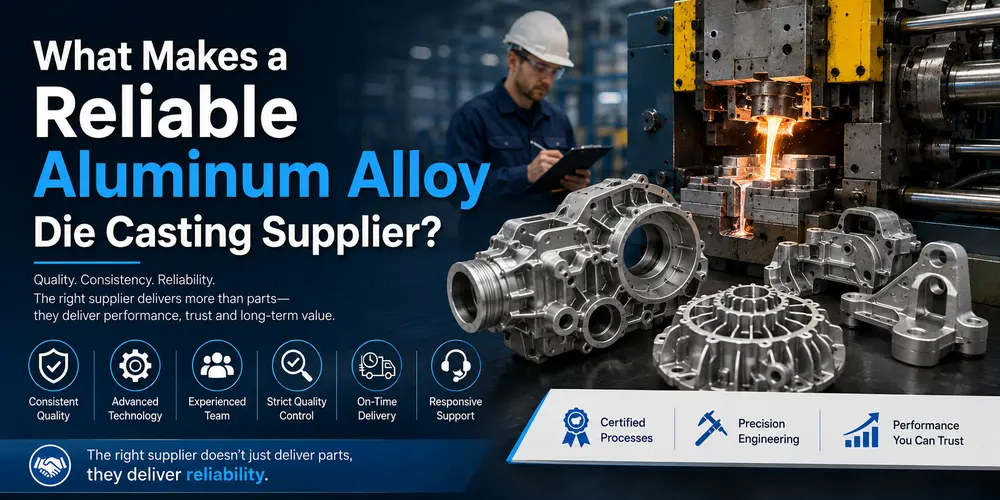
Choosing the correct alloy is only part of it, honestly. The manufacturing partner matters just as much, because production methods and control steps impact the end result. A trustworthy Aluminum Die Casting Parts manufacturer can offer engineering know-how to match alloy properties to what your application actually demands, cutting down expensive trial-and-error cycles. Also, many manufacturers still need dependable tooling; if you’re preparing for a fresh production run, you can now Buy Mould online, which helps the workflow go from design to finished part with fewer vendors and less back-and-forth.
Applications Where Alloy Selection Is Critical
- Automotive Industry: engine parts, transmission housings, and structural brackets need alloys that balance strength, weight, and heat resistance. A poor alloy choice can lower vehicle safety margins and overall performance.
- Consumer Electronics: housings and heat sinks benefit from high thermal conductivity plus a clean surface finish, for both appearance and function.
- Aerospace and Defense: lightweight high-strength alloys are essential when every gram can influence fuel efficiency and real-world performance.
Get The Best Aluminum Alloy For Die Casting
Choosing the right aluminum alloy for die casting isn’t just some technical routine, it’s really a call that kind of sets the tone for performance, how long your parts last, and honestly how cost-efficient everything turns out later. When manufacturers sit down to review things like mechanical strength, corrosion resistance, heat behavior, and expected production quantities, they’re able to pick an alloy that actually matches what the job needs, not just what looks good on paper. And if you team up with a well-versed Aluminum alloy die casting company in China, you typically get support that covers the whole journey, from choosing the alloy, to getting the finished component delivered, with less guesswork in between. So for companies that want a dependable and experienced partner in aluminum die casting, xiongzhigroup.com has the know-how plus the manufacturing capacity to help move your project from idea into real parts, with precision and steadiness you can count on.
FAQs
- What is the most commonly used aluminum alloy for die casting?
A380 is usually the go-to option because it offers a nice balance of strength, hardness, and cost-wise practicality, so it works well across many types of applications
- How do I know which alloy is best for my application?
Look at mechanical strength, corrosion resistance, thermal conductivity, and even the design complexity. Consulting a skilled supplier helps align the alloy decision to your actual needs
- Is aluminum alloy die casting more expensive than other casting methods?
In many cases, aluminum die casting ends up cost-effective for high volume output, since it’s efficient and recyclable too, but the very first tooling expenses can still shift depending on the part design
- Can aluminum alloys be recycled?
Yes, aluminum alloys are highly recyclable which cuts down on material waste, and that usually helps keep manufacturing more sustainable, plus more cost-friendly overall
- What’s the difference between A380 and A383 alloys?
A383 tends to provide better die-filling action for intricate, thin-walled shapes, while A380 gives you that familiar mix of general strength plus affordability
- Do different alloys require different mold designs?
Often yes, because alloy fluidity and shrinkage behavior can change what the mold, gating systems, and cooling setup need to be in order to reach solid part quality
- How does alloy choice affect surface finish?
Alloys with more silicon can show a slightly rougher as-cast surface, while others may allow smoother finishing, and that can matter a lot if you care about cosmetic appearance or specific coating performance
- Where can I source high-quality aluminum die casting parts?
If you work with an established Aluminum Die Casting Parts Supplier, you’re more likely to get consistent alloy quality, the right certifications, and dependable delivery timing that supports your production plan.