- BaoZhu Str. 8, Economic Development Zone, XianAn District, XianNing City, 437000, Hubei Province, China


 XiongZhiGroup Co., Ltd
How Are Lightweight Components Produced by a Magnesium Alloy Die Casting Manufacturer and Supplier in China?

11
Sep 2026
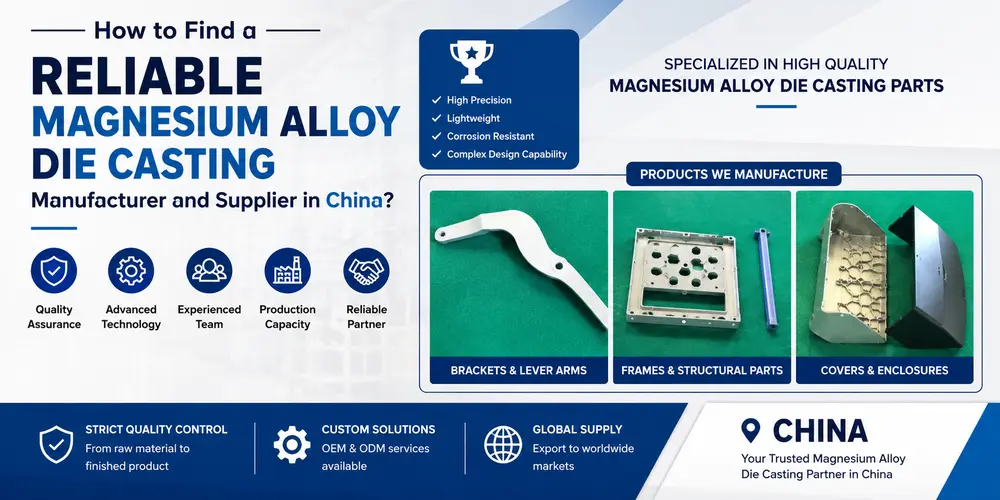
Industries that swing from automotive into aerospace, plus electronics and medical devices, are always under this kind of pressure to lose weight, without losing strength or stuff like that. And that is basically the reason why a lot of manufacturers, all over the globe, are moving toward a “reliable” Magnesium Alloy Die Casting Manufacturer and Supplier in China, so they can pull in lightweight but also high-precision pieces. Magnesium is also one of the lightest structural metals that you can actually buy commercially, so it gives a really strong strength-to-weight balance. Because of that, it becomes the “go-to” for parts that need to be tough, yet still light. In this blog, we’ll try to run through how lightweight magnesium components are produced, kind of step by step, and also why partnering with a seasoned supplier really matters.
Why Magnesium Alloy Becomes the Smarter Pick for Lightweighting
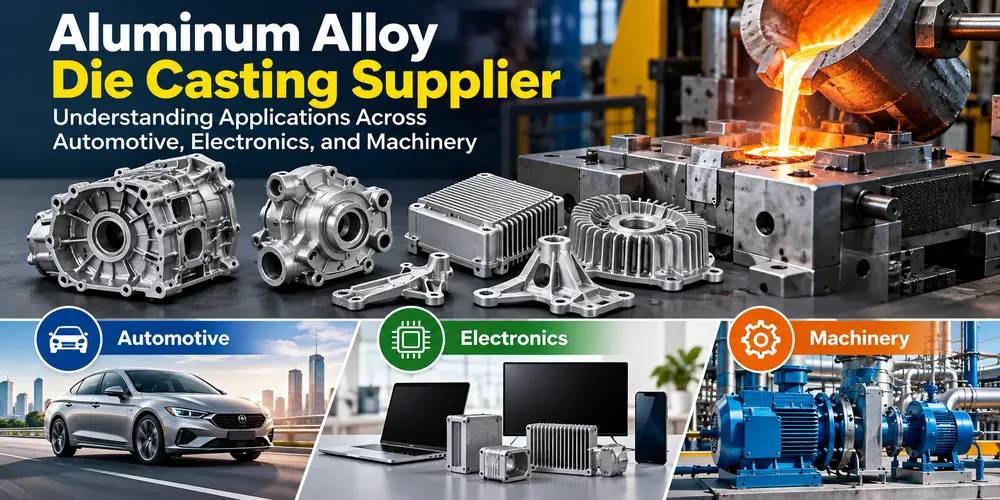
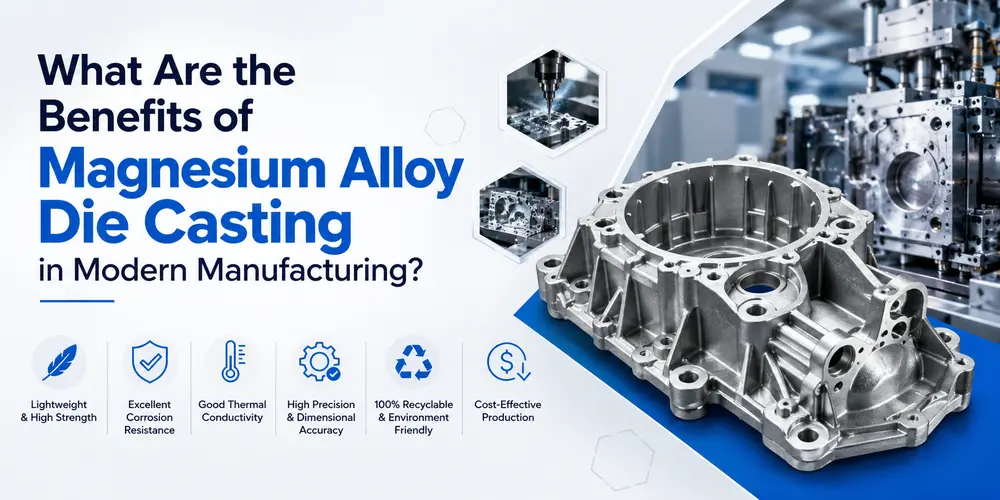
Magnesium alloys are around 33% lighter than aluminum, and roughly 75% lighter than steel, but they still keep solid mechanical behavior. That’s why you see them in electric vehicles, laptops, camera bodies, power tool casings, and even drone frames. A Magnesium Alloy Die Casting Supplier with experience knows how to juggle things like alloy composition, cooling speed, and mold design, so the final parts can hit tight tolerances while weight stays low. It’s not just “pour and hope,” it’s more like metallurgical know-how plus modern casting methods combined, in a way that actually works.
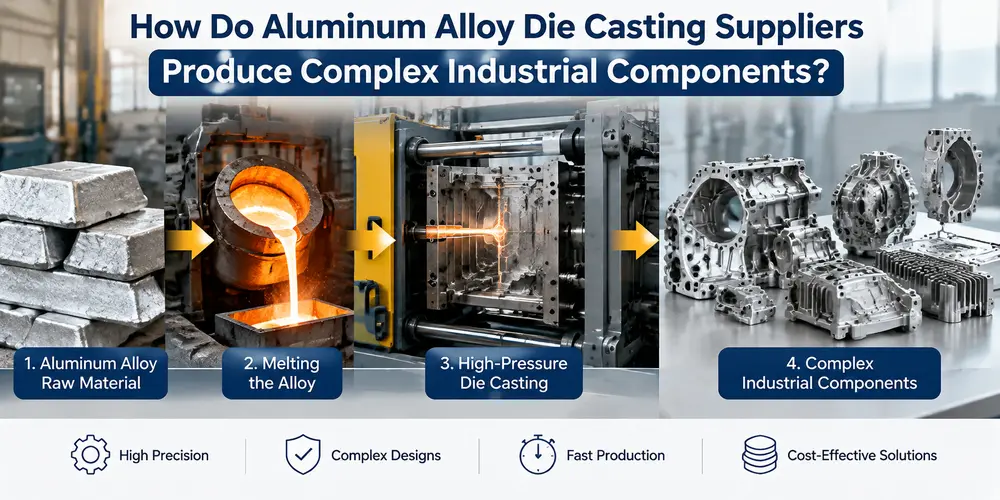
Step 1: Alloy Selection and Preparation
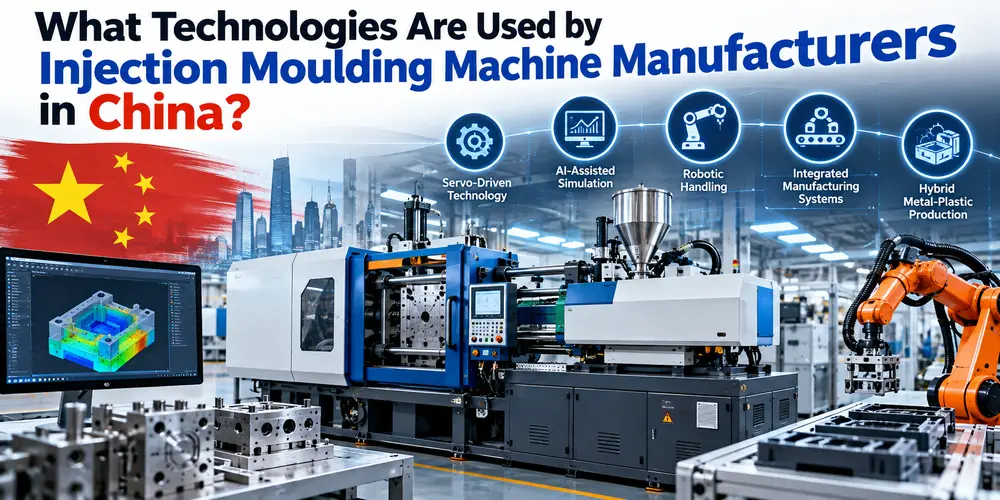
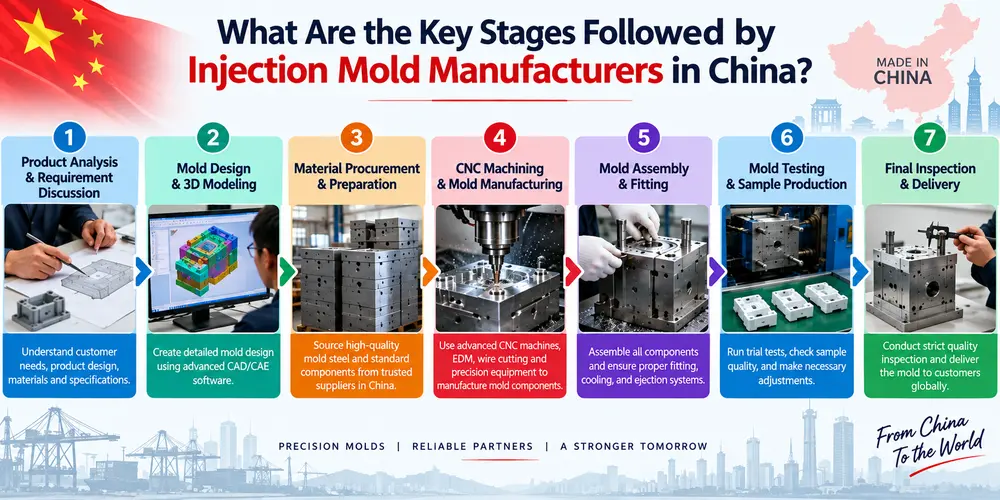
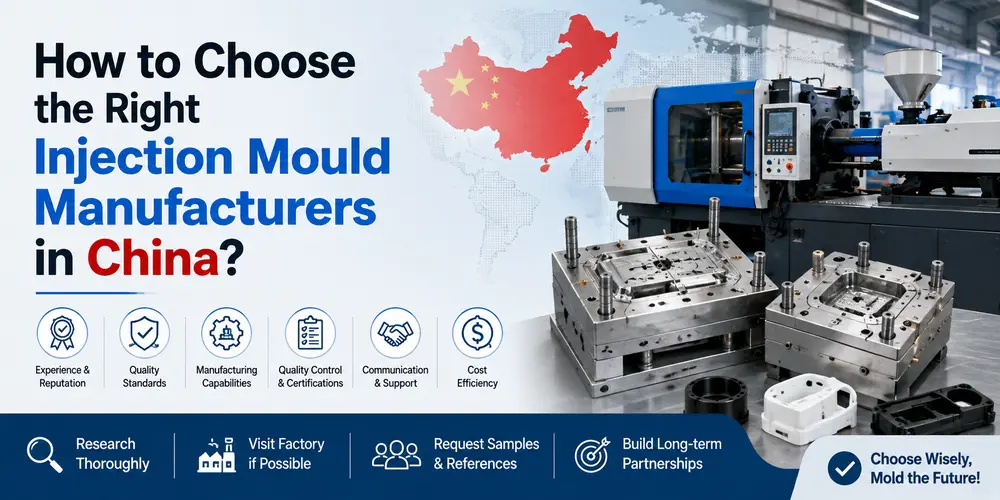
It starts by picking the correct magnesium alloy grade. Common choices are AZ91D, AM60B, or AZ31, depending on how the part needs to handle mechanical load and thermal stress. A Magnesium Die Casting Manufacturer will usually evaluate corrosion resistance, impact strength, and dimensional stability, before they lock in the final alloy recipe. Injection Mold Manufacturers in China also play an important role in producing molds that support accurate and consistent casting results. Then the raw magnesium ingots get melted inside a controlled, inert atmosphere, often with sulfur hexafluoride or a similar cover gas, to help stop oxidation. Magnesium is super reactive once it is molten, so this cover step is not optional.
Step 2: Precision Mold Design and Tooling
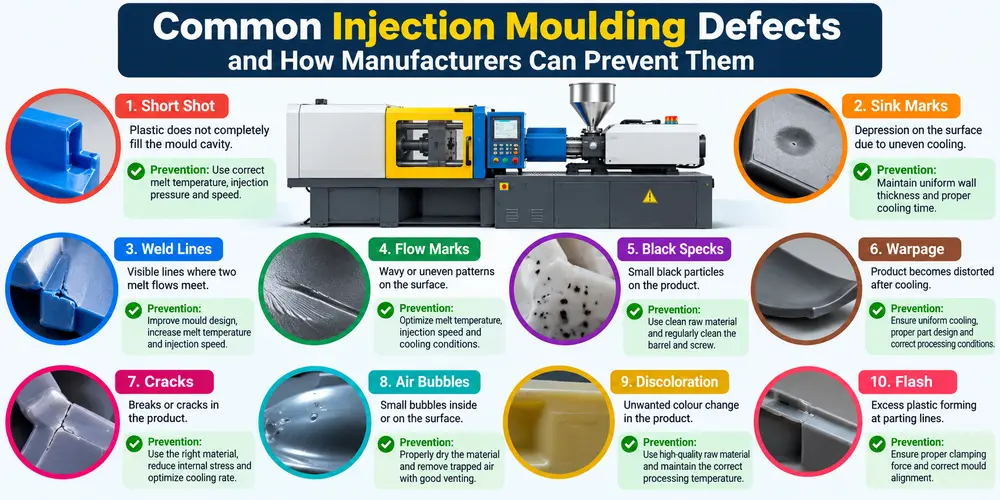
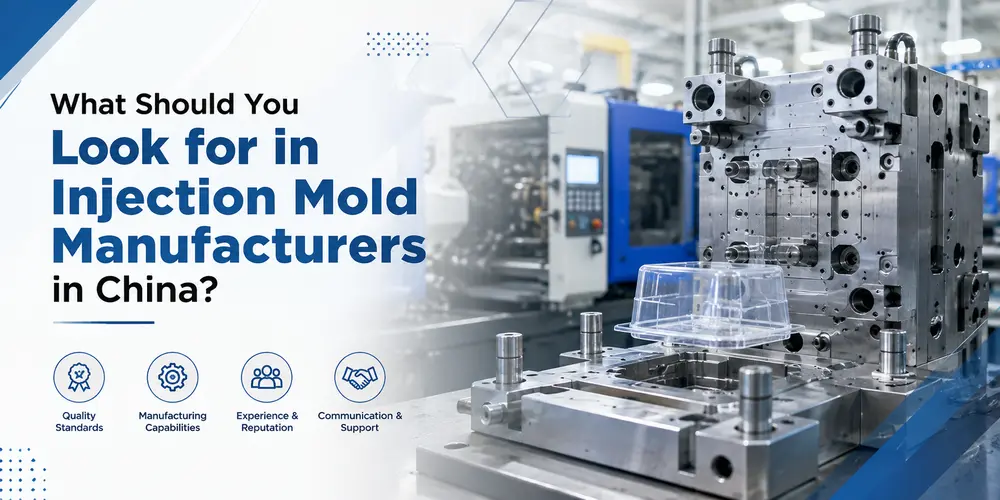
Mold design is kind of the make-or-break stage for lightweight components. Engineers typically rely on CAD/CAM tooling to create cavity shapes, while accounting for shrinkage, wall thickness differences, and the ejection style. This is also where the link to Injection Mold Manufacturers in China shows up, because many die casting suppliers either keep tooling capabilities in house, or they collaborate with mold-making partners. The goal is for the die to handle thousands of high-pressure injection cycles, without warping, drifting, or losing accuracy. Good tooling can also reduce flash, porosity, and random dimensional inconsistency.
Step 3: High-Pressure Die Casting (HPDC)
After the mold is ready, molten magnesium alloy is forced into the steel die at extreme pressure, often somewhere between 1,000 and 20,000 psi, using a cold chamber die casting machine. The fast injection helps the metal reach thin-walled cavities before it solidifies. That is one major reason manufacturers can form tricky lightweight geometries that are harder to pull off with other casting routes. The pressure also supports a fine grain structure, boosting mechanical strength even when walls are thinner. And yes, many electronics and automotive applications now push tolerances into microns, not just millimeters. A Precision Magnesium Die Casting Supplier typically uses vacuum-assisted die casting and real-time process monitoring to keep tolerances consistent for every batch.
Step 4: Cooling, Injection, A Trimming
After injection, the part does its thing and cools down pretty quickly inside the die, generally within a few seconds. Magnesium tends to cool fast, mainly because of its strong thermal conductivity, which is kinda the whole point with this metal. When it fully solidifies, the part is ejected, then it heads to trimming, where runners’ sprues and any flash get cut away. A Magnesium Die Casting Company that is actually serious about high volume production will often rely on automated trimming presses and also do CNC deflating, so the finish is staying consistent across larger runs not just during the first cycles.
Step 5: Surface Treatment and Finishing
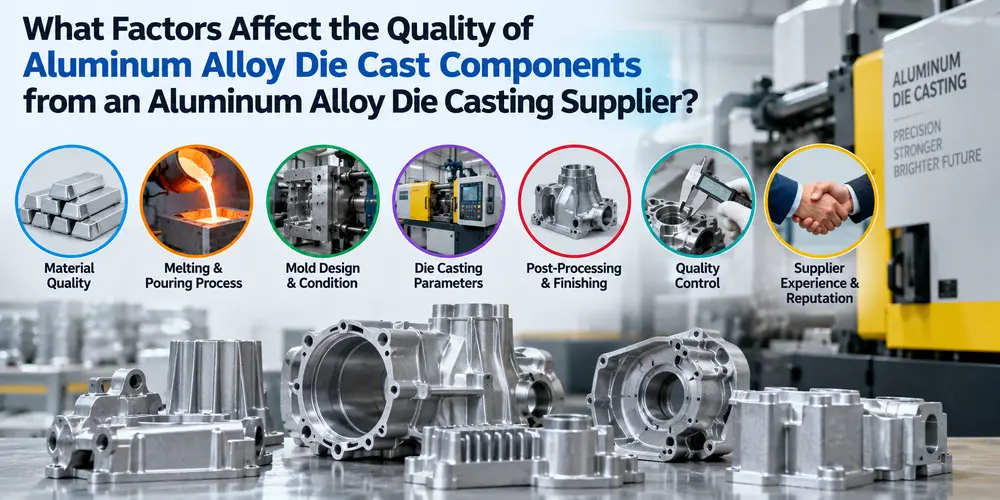
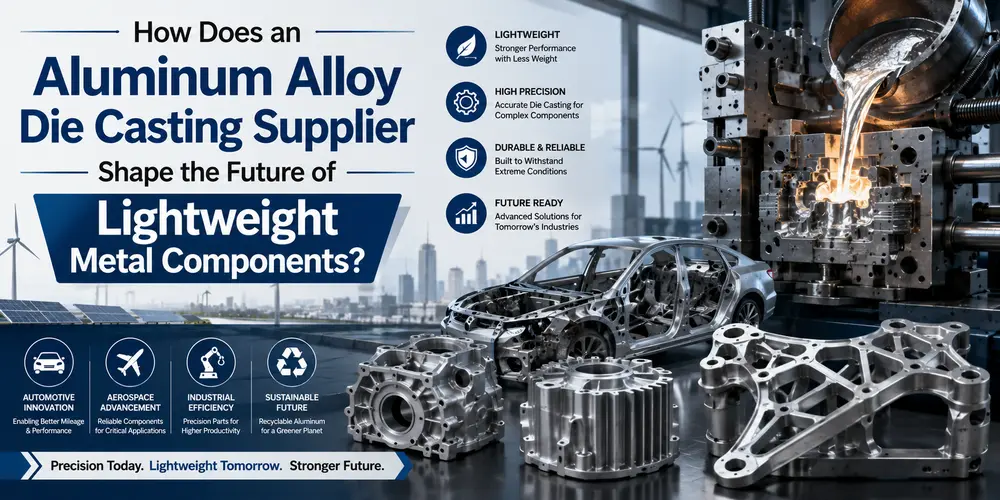
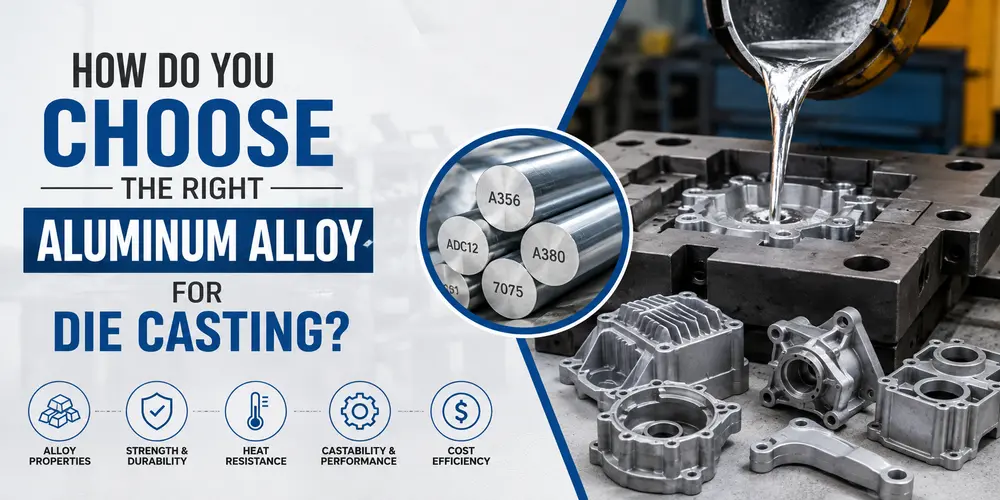
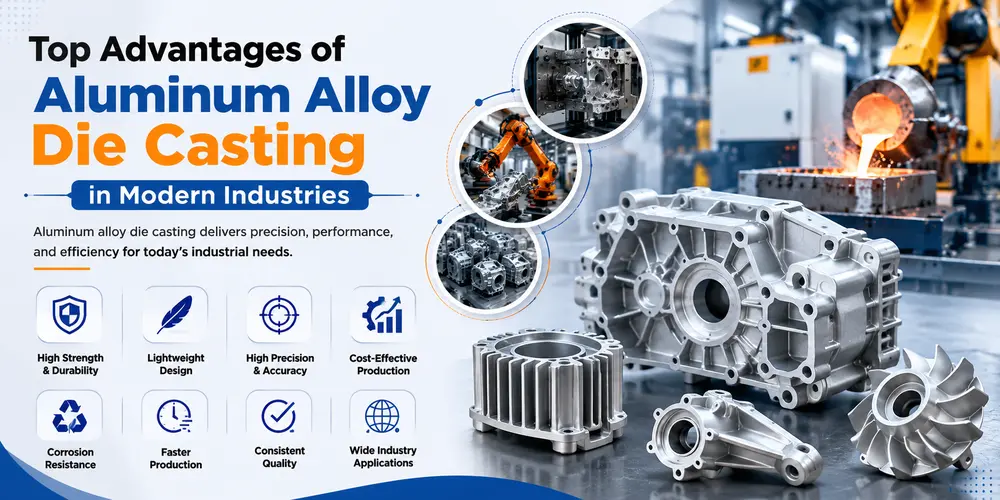
Magnesium tends to corrode when moisture is around, so surface treatment becomes a must. Finishing options include chromate conversion coating, anodizing, electrophoretic coating (e-coating), and powder coating. These methods don’t only protect the part, but they also improve appearance, especially for consumer product housings like phone shells or camera casings. A Magnesium Die Casting Exporter with proper process control makes sure coatings follow international testing such as ASTM B117 for salt spray resistance, so the end user doesn’t get surprises. Plastic Injection Moulding Machine Manufacturers in China can also be relevant for teams looking at plastic-based components alongside metal parts. It’s also worth mentioning that some companies that do magnesium casting will operate alongside an Aluminum Alloy Die Casting Supplier, so buyers can choose between magnesium and aluminum based on cost, target weight, and the actual engineering requirements. This “two-material” setup can be helpful for teams juggling multiple product lines under one manufacturing roof.
Step 6: Quality inspection and testing
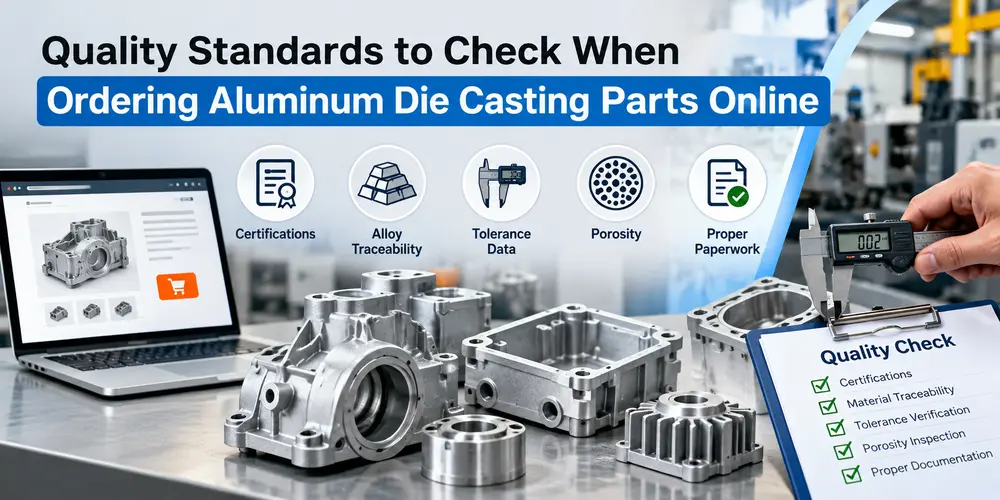
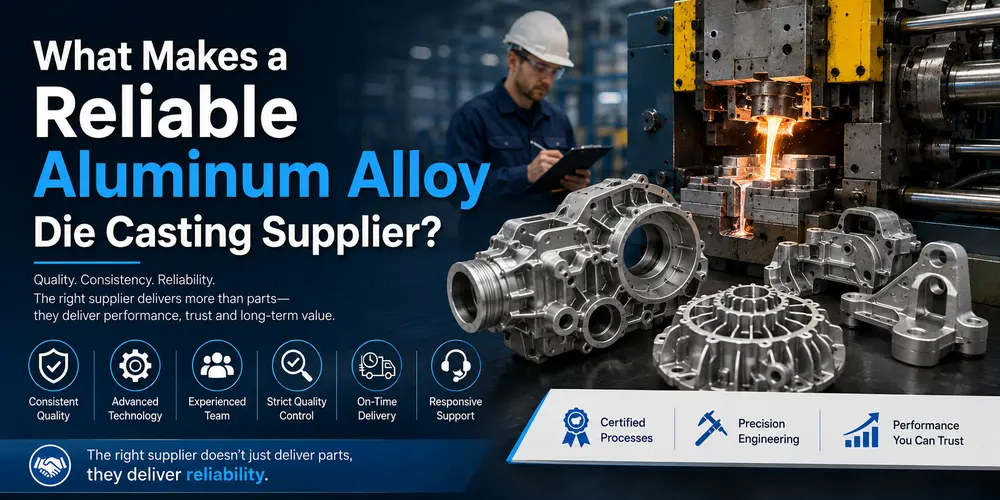
Every production batch gets put through tight quality checks. Those checks might include measuring dimensions with a CMM, Coordinate Measuring Machine type setup, and internal porosity verification using X-ray or CT scanning. Mechanical validation can also happen, like tensile strength and hardness checks, not just “looks good”. A reliable Magnesium Die Casting Parts Supplier typically maintains ISO 9001, or sometimes IATF 16949, certifications. Because steady quality for export shipments is what keeps deliveries on schedule, even when logistics are messy.
Step 7: Custom engineering for specific uses
Besides standard off the shelf parts, a lot of customers want custom work for unusual requirements. Examples are drone chassis, laptop frames, or automotive brackets that have to fit real constraints. A Custom Magnesium Die Casting Manufacturer often collaborates with the customer engineering team early, during the design stage already, giving DFM feedback, so wall thickness, rib placement, and draft angles get tuned before tooling starts. This collaboration can reduce the chance of redesign costs, and it can also push lead time down, which usually becomes the actual clock everyone is thinking about.
Select The Right Magnesium Alloy Die Casting Manufacturer And Supplier In China For Your Business
Making lightweight magnesium components ends up being a multi stage thing, it blends metallurgy, precision tooling, high-pressure casting, and really strict quality checkups. From picking the alloy through surface finishing, every bit matters, because the end goal is a sturdy, lightweight, corrosion-resistant part. Working with an experienced Aluminum Alloy Die Casting Supplier can also help ensure reliable casting solutions and consistent component quality. If you want a reliable, seasoned, and correctly certified Magnesium Alloy Die Casting Manufacturer and Supplier in China, xiongzhigroup.com offers end-to-end help, from design to final, export-ready components, ready to ship.
Frequently Asked Questions
1. What is the main advantage of magnesium alloy die casting compared with aluminum?
Magnesium is usually way lighter than aluminum , but it still keeps solid strength and dimensional consistency pretty steady, so it works well for weight-sensitive applications like electronics and automotive parts and stuff.
2. Which industries commonly use magnesium die cast components?
Automotive, aerospace, consumer electronics, power tools, medical devices, and drone manufacturing tend to show up, as common areas where magnesium die casting demand comes from, basically.
3. Is magnesium die casting more expensive than aluminum die casting?
Magnesium alloy can cost more per kilogram than aluminum, though the weight reduction plus faster machining may help balance things out, especially for high performance or more demanding projects.
4. How do I choose between a magnesium and aluminum die casting supplier?
It kind of depends on what your application needs for mass, strength, and the overall budget, you know. Many suppliers can do both magnesium and aluminum die casting so you can compare them, step by step, right next to each other.
5. What surface treatments are recommended for magnesium parts?
Chromate conversion coating, anodizing, and powder coating are often used, for corrosion protection on magnesium parts and also to improve the look, in a clean practical manner.
6. Can I get custom designed magnesium die cast parts?
Yes, most experienced manufacturers support custom designs together with DFM input, so the final geometry is shaped around your exact requirements and the real-world constraints you actually face.
7. What certifications should a good die casting supplier have?
You should confirm ISO 9001, IATF 16949 (especially if you’re working with automotive), and alignment with widely used global test standards like ASTM, particularly when corrosion resistance matters a lot.