- BaoZhu Str. 8, Economic Development Zone, XianAn District, XianNing City, 437000, Hubei Province, China


 XiongZhiGroup Co., Ltd
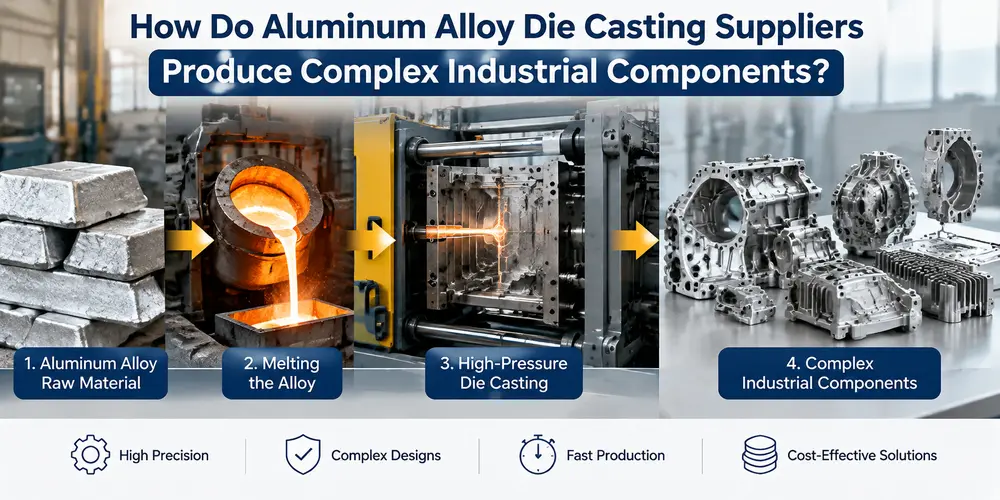
How Do Aluminum Alloy Die Casting Suppliers Produce Complex Industrial Components?
15
Sep 2026
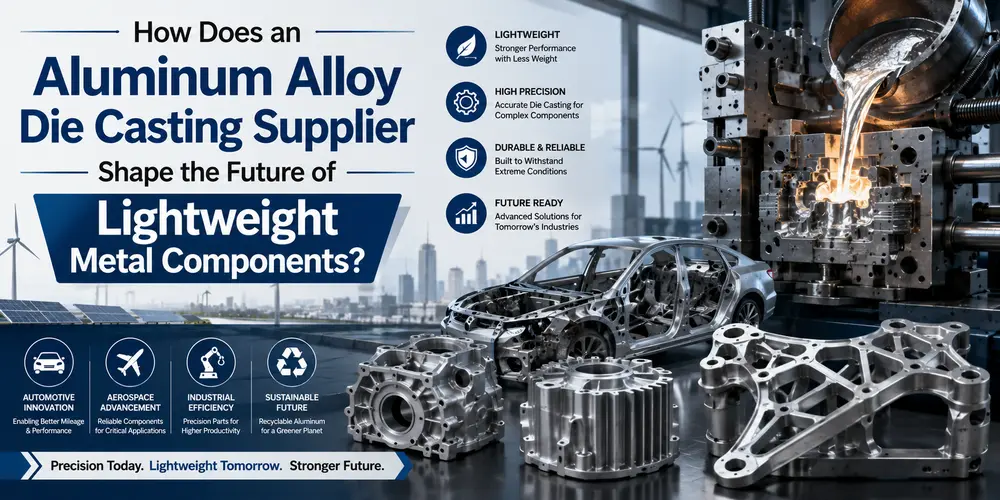
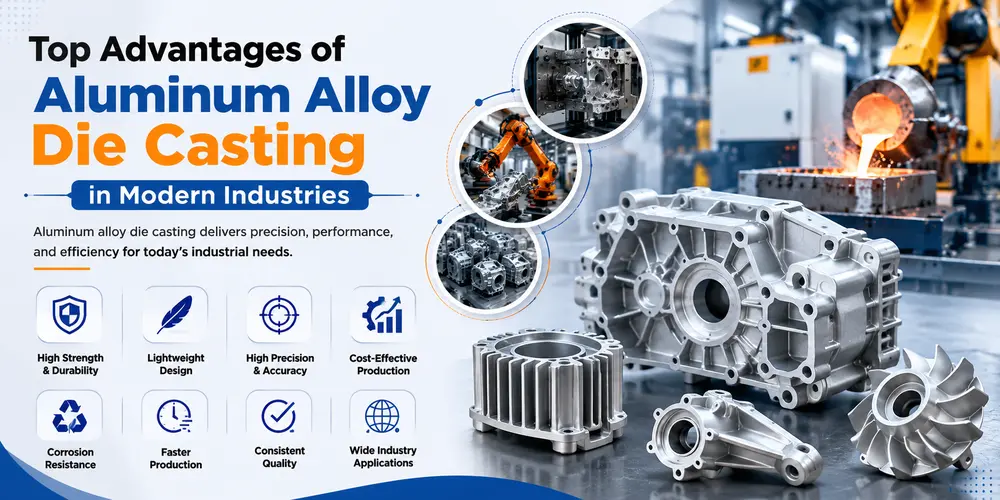
Modern industries automotive, electronics, aerospace, telecom, and heavy machinery depend on precision engineered metal parts that are light weight, rugged, and cost effective to produce at scale. Kinda like, this is where a reliable Aluminum Alloy Die Casting Supplier really becomes necessary. From vehicle housings to fussy electronic enclosures, aluminum die casting has turned into the go-to manufacturing method for making complex geometries with tight tolerances, smooth surface looks, and solid mechanical results. In this blog we’ll dig into how these suppliers take raw molten metal, and somehow make it into finished, intricate industrial components.
Understanding the Aluminum Die Casting Process
Basically, aluminum die casting is a process where molten aluminum alloy gets pushed in under high pressure into a steel mold, called a die. The die itself is precision machined to match the exact form of the part you want. So manufacturers can keep repeating production, batch after batch, without the geometry drifting too much. This method is often chosen for thin walled, complicated shaped parts that are, let’s say, difficult or pricey using only forging or machining, step by step. A seasoned Aluminum Die Casting Manufacturer usually works through a sequence like: die design & tooling, alloy melting and injection, cooling and solidification, trimming, plus finishing. Each stage needs specialized equipment, trained engineers, and strict quality checks, because the final component has to meet the right specs, period.
Step 1: Die design and tooling
Honestly it begins at the die design stage, like right away. Engineers lean on CAD/CAM tools to build the molds, but they also have to factor in shrinkage, draft angles, wall thickness, plus those cooling channels that people forget about. This part matters more than it sounds, because even a small design hiccup can show up as defects like porosity, warping, or that annoying surface blemish on the final component. A serious Magnesium Alloy Die Casting Supplier also considers these factors during the production process to ensure better quality and precision. A serious Aluminum Die Casting Company usually does more than “just casting”, they invest in tool making capacity, and sometimes they run in house CNC machining centers, to create hardened steel dies that can survive thousands of production cycles without losing accuracy.
Step 2: Melting and alloy preparation
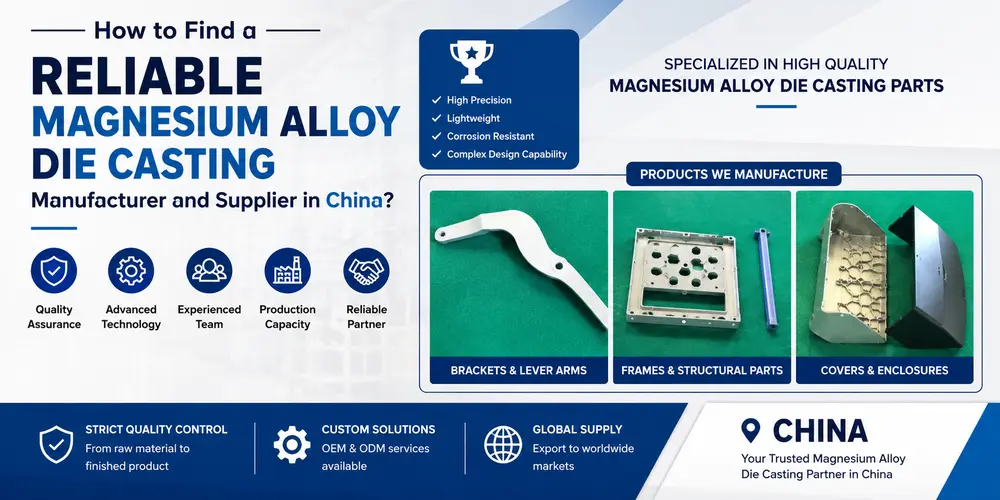
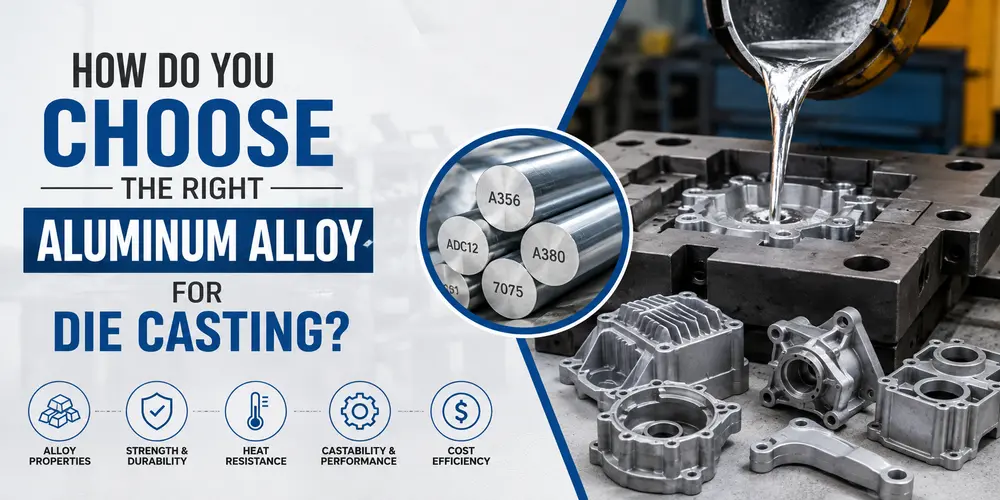
After tooling is sorted, the next step is getting the aluminum alloy ready. Different alloys, like A380, ADC12, or A356 are selected depending on what mechanical performance is needed: strength, corrosion resistance, thermal conduction, and other similar stuff. Aluminum gets melted in furnaces at controlled temperatures, then impurities get skimmed off, which helps keep metal purity. And yeah, that purity ends up affecting component strength and surface quality more directly than many expect. Also, a lot of people search for a Magnesium Alloy Die Casting Manufacturer and Supplier in China kind of arrangement, like one stop where both aluminum and magnesium experience is available. The idea is simple, mixing those know-how paths help companies choose the best material route for weight, strength, and cost, without switching vendors all the time, or doing the “new vendor shuffle” every project.
Step 3: High pressure injection
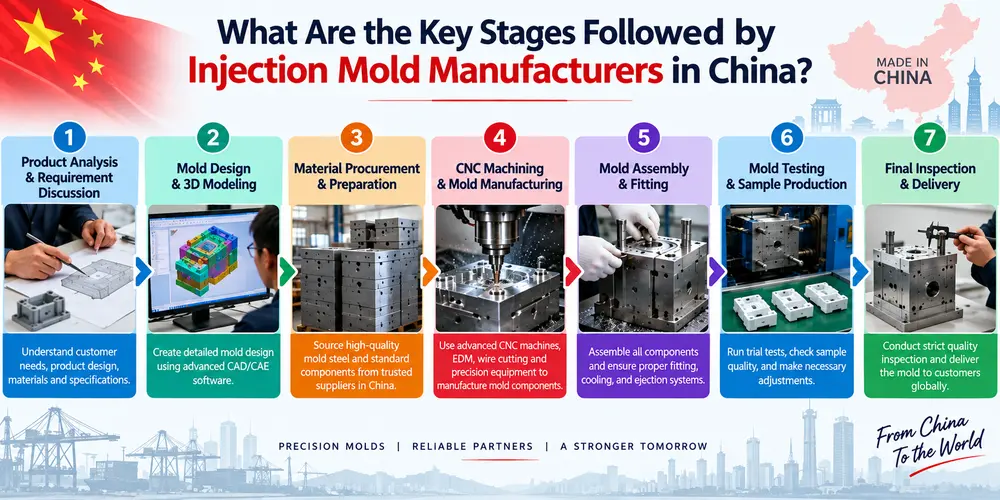
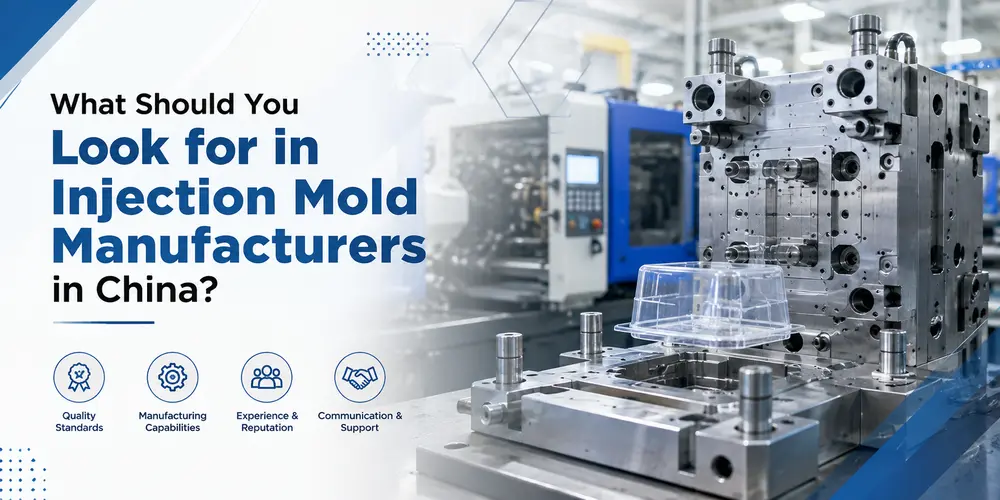
Now comes the actual “die casting” moment. Molten aluminum is injected into the die cavity at extremely high pressure, sometimes measured in the many thousands of PSI. That high pressure is what helps the melt reach the most intricate cavity details, including thin ribs and complex undercuts that gravity casting or sand casting often struggle with. Many manufacturers work with experienced Injection Mold Suppliers in China to achieve precise tooling solutions and maintain high-quality production standards. Injection speed and pressure are tuned carefully too, mainly to reduce trapped air, because trapped air can later become porosity defects, which then means rework headaches
Step 4: Cooling and ejection
Once injected, the metal cools, and it solidifies inside the die. Cooling time depends on part thickness and geometry, but modern plants rely on more advanced cooling channel designs, so they can shorten cycle times while still protecting structural integrity. Then the die opens and the ejector pins push the finished part out of the cavity. A bunch of buyers also want suppliers that can cover multiple manufacturing processes under one roof. For example, if a partner offers Injection Mold Manufacturers in China services alongside die casting work, they can run a more unified approach for products that need both metal and plastic elements, and it reduces the whole cross supply chain coordination problem.
Step 5: Trimming machining, and surface finishing
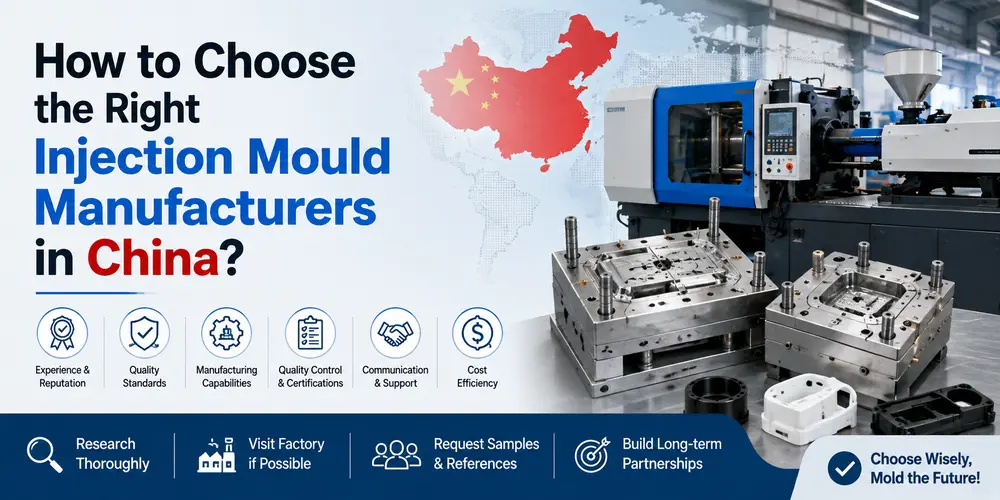
Raw die cast parts typically come with extra material, it’s called flash, mostly near the parting line areas. Flash is removed using specialized presses or CNC trimming dies. After that, depending on the application, extra secondary work may follow, like CNC machining, drilling, tapping, or threading, so tolerances land exactly where they should. For the surface, there are options like shot blasting, polishing, powder coating, anodizing, or electroplating, and the decision kind of depends on what you care about most for end use, like corrosion resistance, the final look, or even electrical insulation. In the manufacturing industry, advanced solutions from Injection Moulding Machine Manufacturers in China are also considered for producing precision components with consistent quality. If you are sourcing from another country, working with a seasoned Aluminum Die Casting Exporter can make the shipping side less chaotic, and it helps keep quality steady across the big production runs too. Also, it supports the type of compliance you need for those international certifications
Step 6: Quality inspection and testing
Before anything ships, the components go through strict quality control. This can include dimensional checks, X ray or CT scanning to detect internal porosity, leak testing for parts that must stay air tight or fluid tight, plus mechanical property checks. A reliable Aluminum Die Casting Parts Supplier also keeps detailed quality documentation and traceability records, and that becomes pretty critical for industries like automotive and aerospace, where meeting international standards is basically not optional, not even a little.
Choose A Reliable Aluminum Alloy Die Casting Supplier
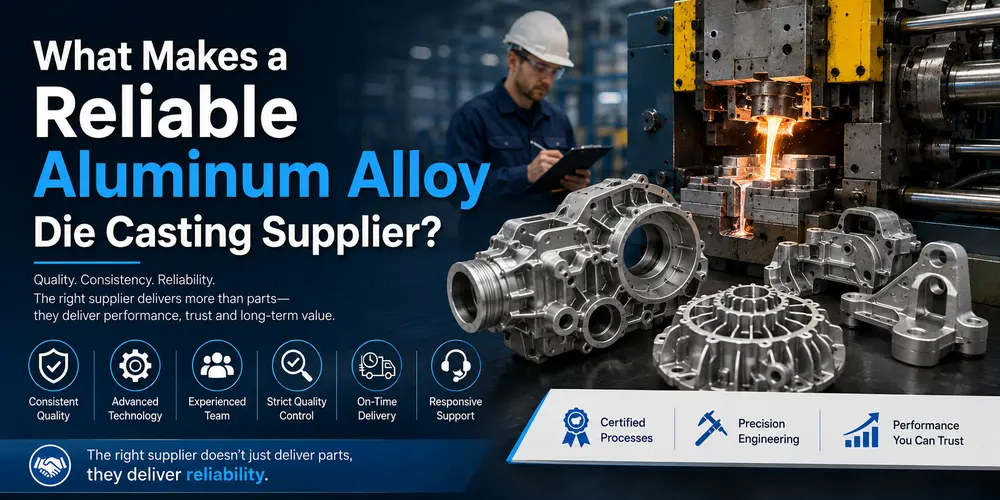
Making complicated industrial pieces through Choose A Reliable Aluminum Alloy Die Casting Supplier needs a kind of careful balance really, engineering precision, material science, and process control in the same breath. From die design all the way to final finishing, each phase matters, it kind of affects strength, accuracy, durability too, and not just one thing. For teams that want a seasoned, full-service production partner able to cover prototyping through mass production, xiongzhigroup.com gives full die casting and mold-making support, built to fit the tough industrial needs you actually face day to day, not the “perfect world” version.
Frequently Asked Questions (FAQs)
1. What is the difference between aluminum die casting and other casting methods?
In aluminum die casting, molten aluminum gets pushed in under high pressure into steel molds that get used again and again, and that approach usually gives a faster output, closer tolerances, and a cleaner external surface compared with sand casting or gravity casting. Those other methods tend to run slower, and dimensional reliability can be a bit less steady, sometimes yes.
2. Which aluminum alloys are usually used in die casting?
Most of the time suppliers choose A380, ADC12, A356, and A413. They decide from the real needs of the part, like strength, corrosion resistance, heat transfer, and machining friendliness, for the exact job.
3. Can die casting make parts with thin walls?
Yes, high-pressure die casting is kinda known for thin-walled layouts. It can often reach wall thickness around 0.5mm to 1mm, while keeping structural intent and reducing the chances of easy deformation, pretty practical.
4. How do suppliers ensure the quality of die-cast parts?
Good suppliers usually lean on dimensional checks, X-ray viewing or CT scanning, leak tests, plus mechanical evaluations. They also keep quality control records aligned with international standards, not just a casual “we checked it” line.
5. Is aluminum die casting suitable for big production volumes?
Yeah, absolutely. Once the tooling is done and ready, aluminum die casting runs efficiently for medium to high volume output. You get a lower cost per piece, and consistent part behavior across thousands of cycles, no weird drift.
6. What industries commonly use aluminum die casting components?
Automotive, electronics, telecommunications, industrial equipment, lighting, and consumer devices are some common users. They often pick aluminum die casting because it supports lightweight design, and still stays durable for daily use.
7. Can a die casting supplier also provide magnesium components?
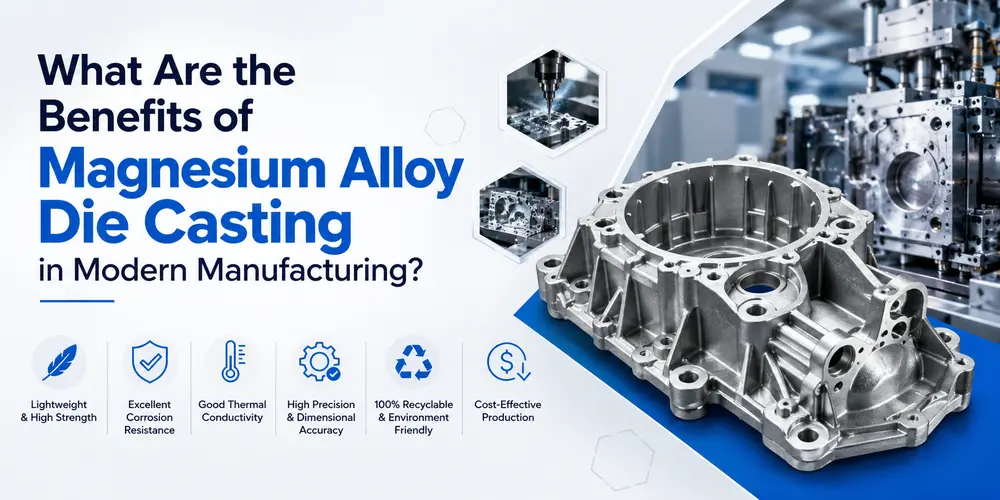
Often, many full-service manufacturers cover both aluminum die casting and magnesium die casting. So customers can select the most fitting material route based on weight, strength needs, and budget limits without switching suppliers all the time.
8. What secondary processes are typically applied after die casting?
After die casting, follow-up steps usually include CNC machining, trimming, shot blasting, powder coating, anodizing, and electroplating. Which ones get used depends on the functional requirements, and also on the look goals for the finished component, so it varies.