- BaoZhu Str. 8, Economic Development Zone, XianAn District, XianNing City, 437000, Hubei Province, China


 XiongZhiGroup Co., Ltd
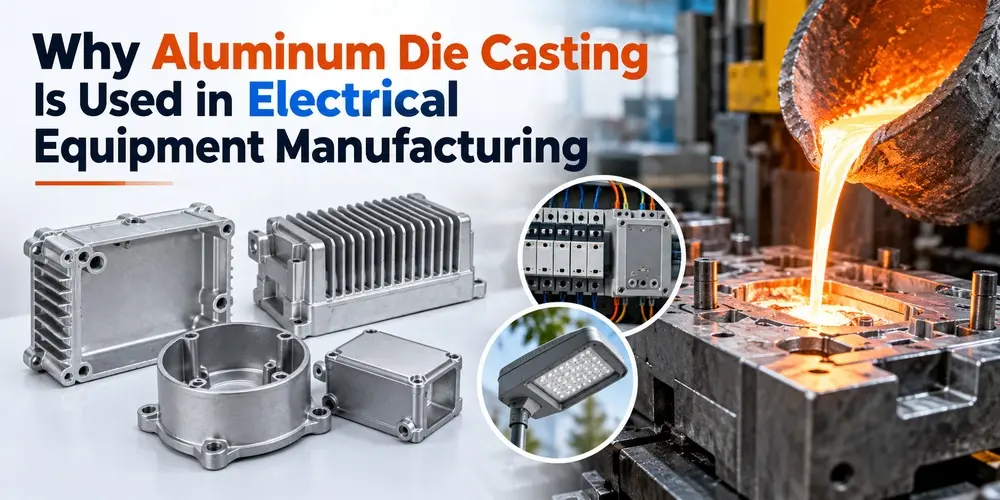
Why Aluminum Die Casting Is Used in Electrical Equipment Manufacturing
21
Oct 2026
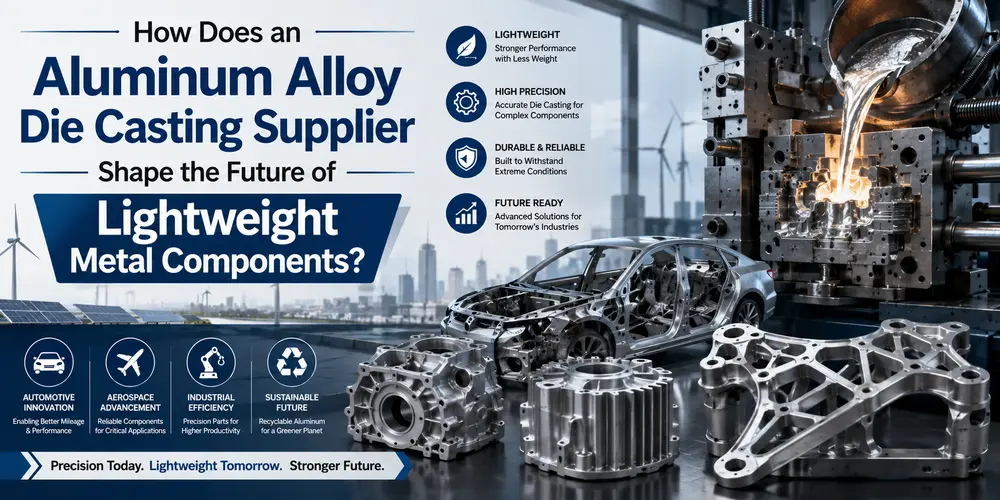
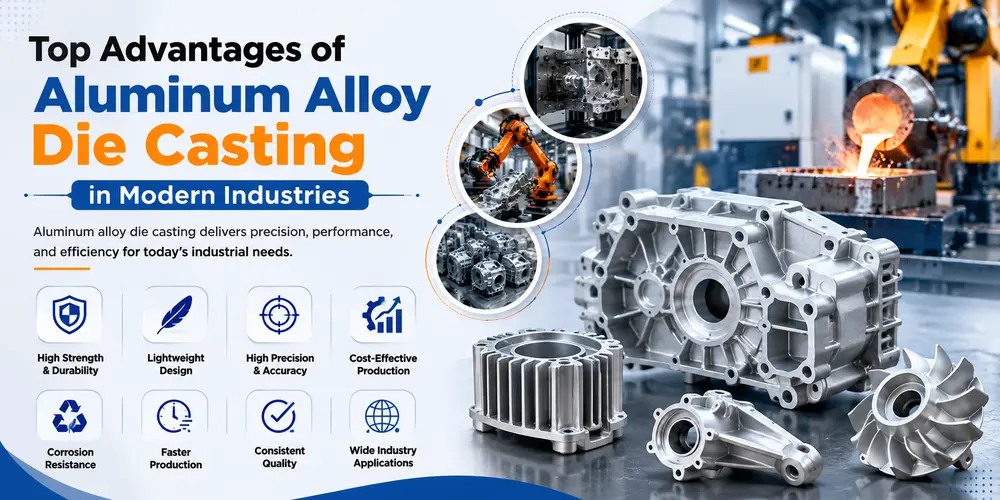
Modern electrical equipment has to stay light, be tough in the real world, stay thermally smart, and not cost a fortune once you’re buying at scale. From motor housings to connector shells, aluminum die casting really hits those needs better than most other options, and honestly, it’s kind of the default choice. If you’re sourcing from an experienced Aluminum Alloy Die Casting Supplier then it helps to understand why aluminum kind of wins in this sector, so you can make procurement choices that don’t turn into headaches later. Companies like xiongzhigroup.com back electrical OEMs with precision-cast parts that still match strict requirements.
What Is Aluminum Die Casting?
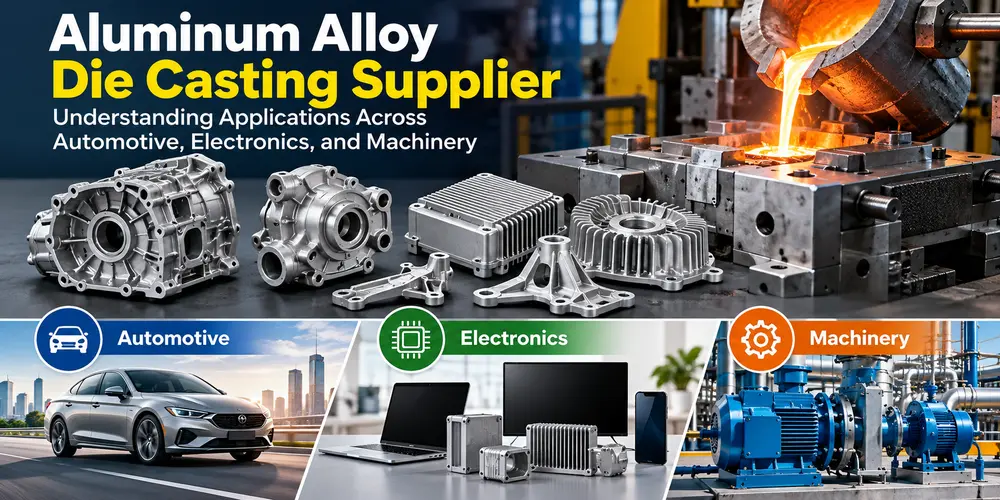
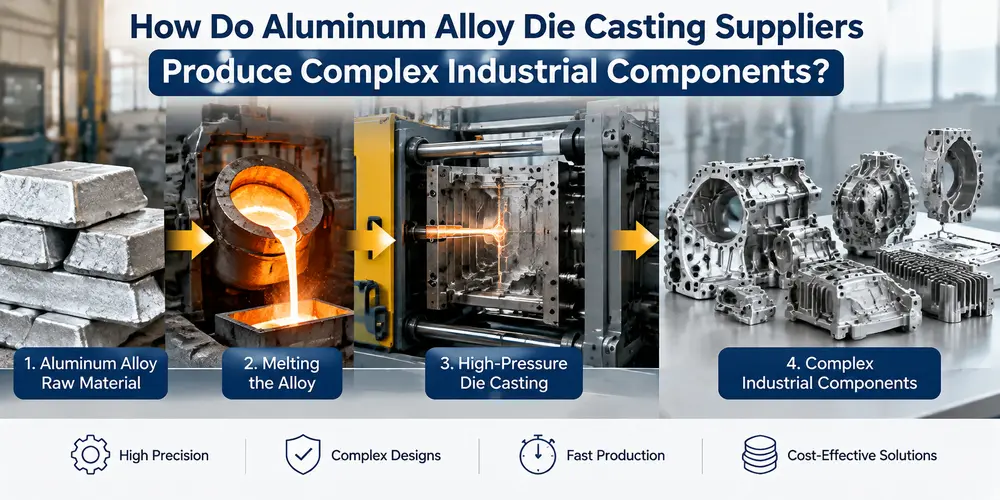
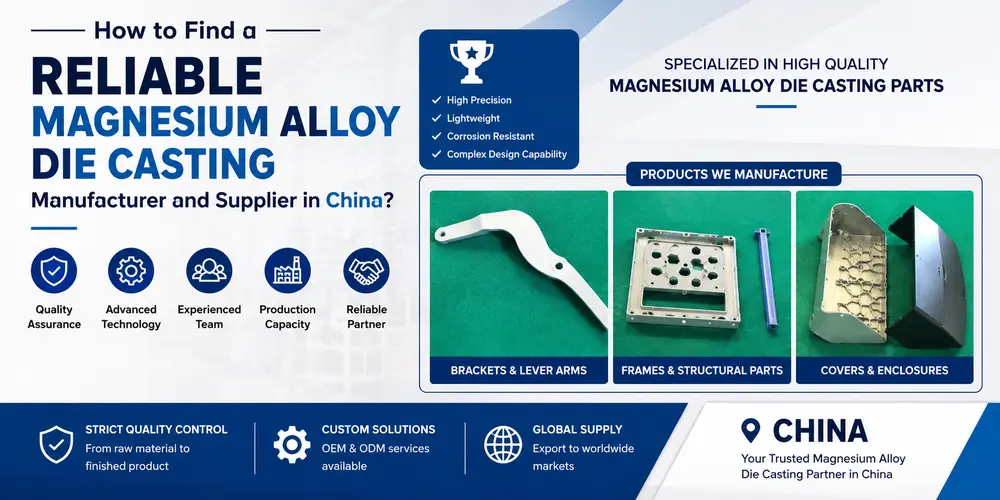
Aluminum die casting works by pushing molten aluminum alloy into a hardened steel mold, called a die, under high pressure. The metal solidifies fast, so you get parts with tight tolerances, smooth surfaces, and geometry that’s not always easy with other processes. Since the same die can repeat thousands, or even hundreds of thousands of nearly identical parts, this method fits high-volume electrical manufacturing really well. Whether you’re also sourcing from an experienced Magnesium Alloy Die Casting Manufacturer and Supplier in China, understanding why aluminum dominates here still matters for better purchasing decisions.
1. Excellent Thermal Conductivity
Heat is kind of the main enemy of electrical performance. Transformers, inverters, LED drivers, and power supplies all produce heat that must be moved away or things fail, sooner than anyone wants. Aluminum alloys move heat better than many plastics and plenty of other metals, so die-cast aluminum housings and heat sinks tend to pull heat away from delicate components. Cooling fins can even be formed directly into the part, so you don’t always need extra assembly steps.
2. Lightweight Yet Strong
Aluminum is about one-third the density of steel, but die-cast aluminum alloys still bring strong strength-to-weight behavior. That’s huge for electric vehicles, portable power tools, and aerospace electronics, where every small mass matters more than people think. When the enclosure is lighter, shipping usually gets cheaper and installation becomes less annoying for utility and industrial systems.
3. Electromagnetic Shielding
Electronic equipment can both leak electromagnetic interference (EMI) and get disrupted by it. Aluminum is conductive by nature, so a die-cast aluminum enclosure can act like a Faraday cage, guarding the circuitry from outside noise and reducing the chance the device causes trouble nearby. For telecom base stations, medical electronics, and control systems, this “already there” shielding can beat plastic housings, in a straightforward way.
4. Complex Shapes and Tight Tolerances
Electrical parts often need thin walls, internal ribs, mounting bosses, threaded inserts, and sealing surfaces that have to stay real precise, like not even a little off. With die casting, those kinds of features can come out in one go, and the dimensional accuracy often lowers how much machining has to happen. Usually the fit-up is better, gasket sealing gets more dependable for IP-rated enclosures, and the quality stays more steady across different production batches.
5. Corrosion Resistance and Durability
Aluminum kind of forms a natural oxide layer, and honestly that’s a big reason it resists corrosion. This matters a lot for outdoor or industrial electrical setups, for example meter boxes, street lighting, solar inverters, and charging stations. If you want extra service life, you can add surface treatments like powder coating, anodizing, or chromate conversion, especially when the air is humid, coastal, or the chemicals are nasty
6. Cost-Effectiveness at Scale
Die tooling can sound expensive at first, yep, no argument. But the cost per part drops pretty fast once the volume grows, and you get short cycle times, less material waste, and fewer extra processes. That’s why die casting can be more cost friendly for high volume manufacturing. Also, aluminum is very recyclable, so scrap can be remelted and reused, that supports sustainability goals, and it also helps keep material pricing more stable.
Common Electrical Applications
Die-cast aluminum shows up across the electrical industry, like:
- Motor and generator housings
- Electrical junction boxes and connector bodies
- LED lighting housings, and heat sinks
- EV charger enclosures and battery casings
- Inverter and power converter cases
- Telecommunication and 5G equipment housings
- Switchgear and circuit breaker components
The Role of Tooling and Equipment
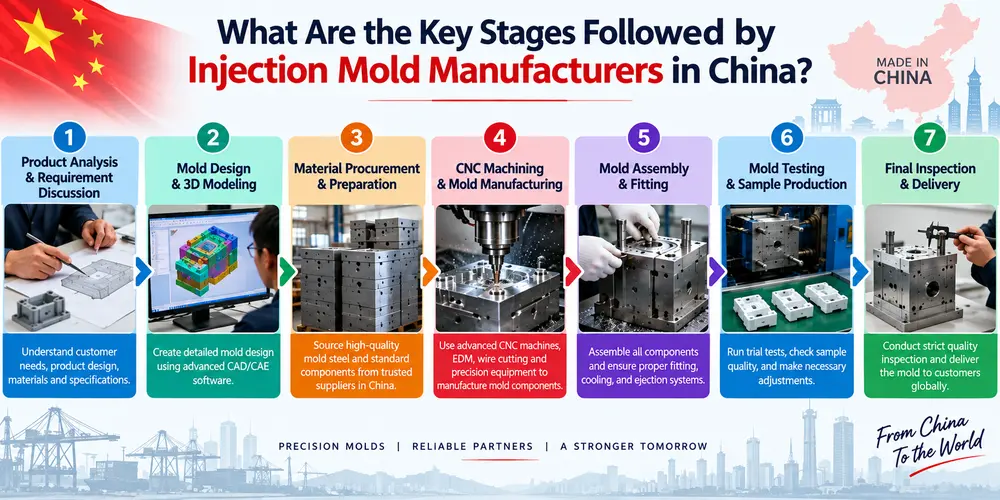
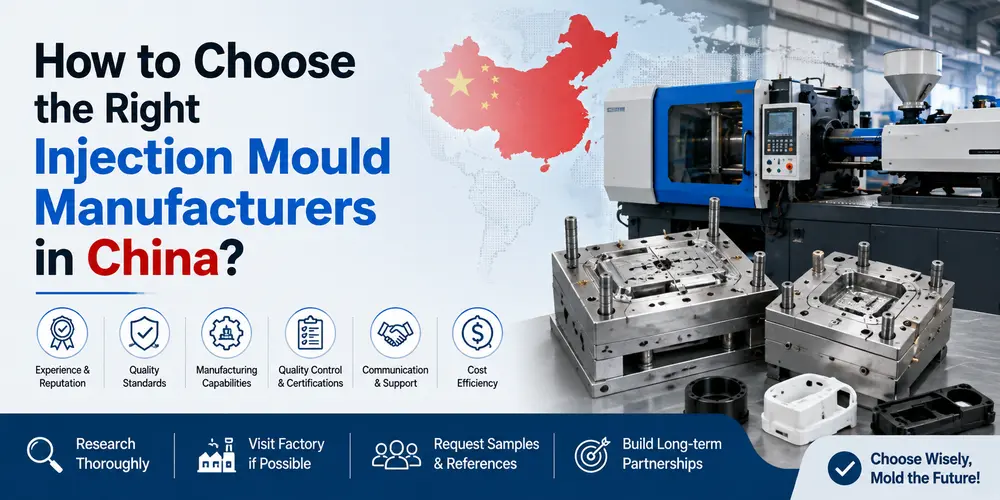
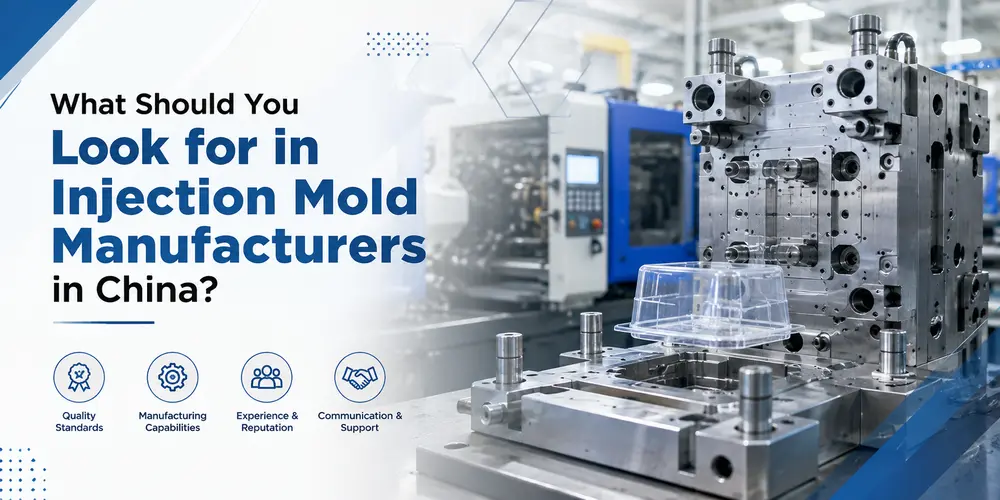
A good casting really starts with a good mold. Many electrical manufacturers also end up needing plastic parts too, like insulators, switch covers, and terminal blocks, alongside the metal housings. If buyers work with reliable Injection Mold Manufacturers in China, they can source die-cast and molded components in a more coordinated supply chain, which tends to shorten lead times and improves design consistency across assemblies. A one-stop partner like xiongzhigroup.com can help simplify the whole path, from tooling design to final parts, without too much extra back and forth.
Choosing the Right Alloy
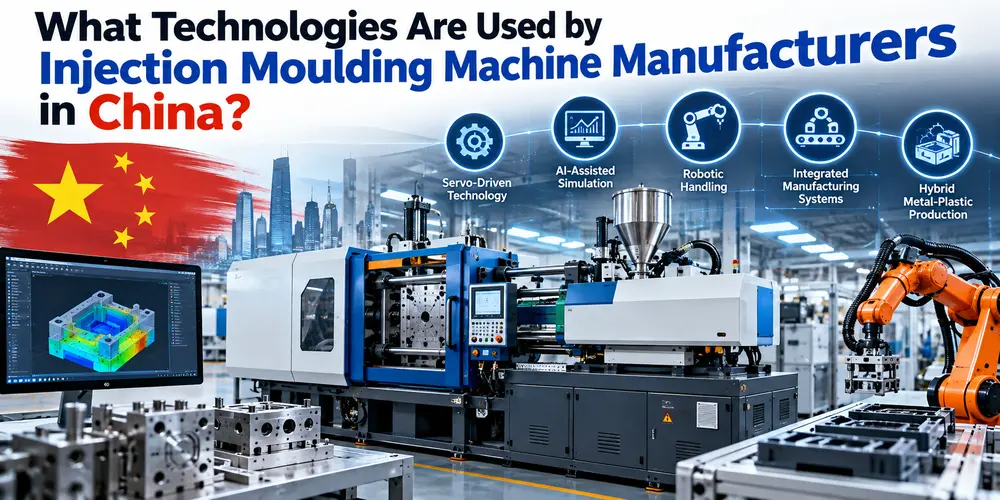
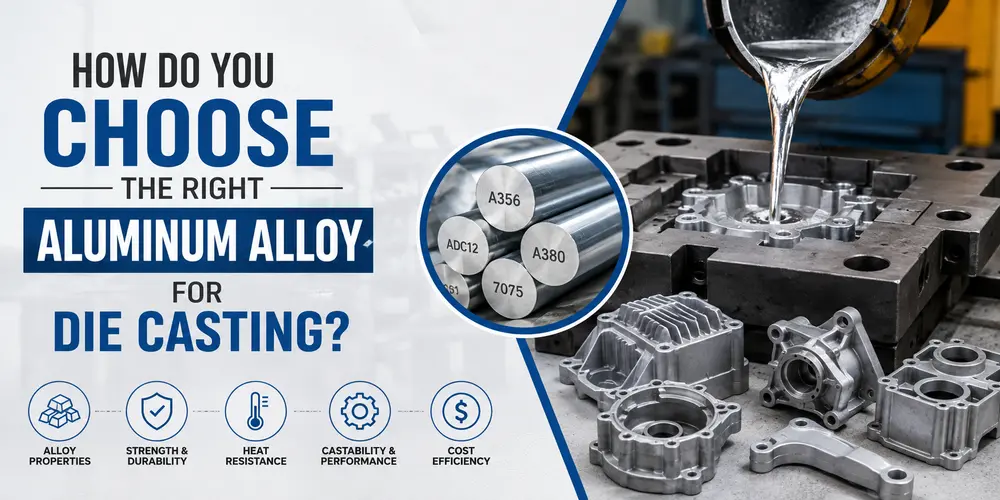
Common aluminum die casting alloys include A380, ADC12, and A360, and each one leans into castability, strength, and corrosion resistance in a slightly different way. A380 is often picked because it gives good fluidity, pressure tightness, and solid thermal performance. If weight reduction is super critical, magnesium alloys may be considered too, and your supplier should help you match material choice to your real performance targets and budget. A lot of buyers also coordinate with injection moulding machine manufacturers in China, so the production lines run smoothly from start to finish, end to end, and no one has weird handoff delays.
Partner with a Trusted Aluminum Alloy Die Casting Supplier
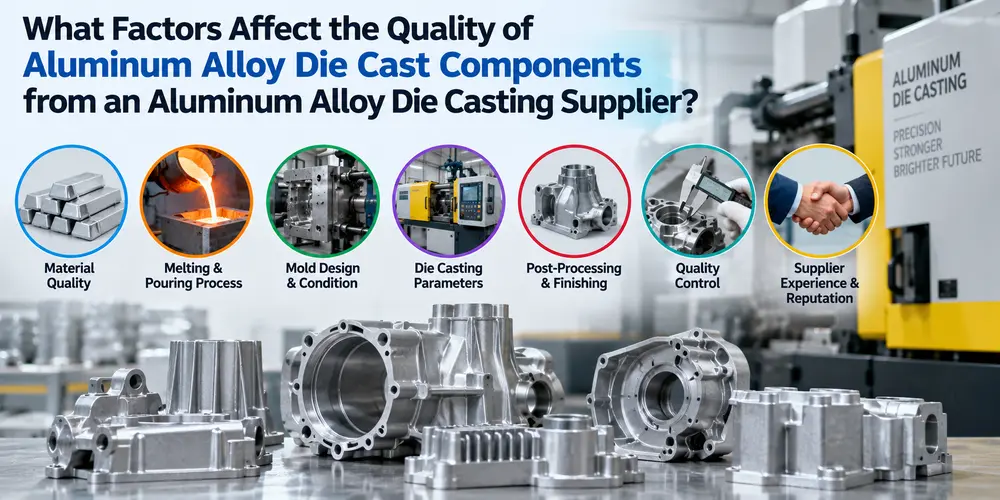
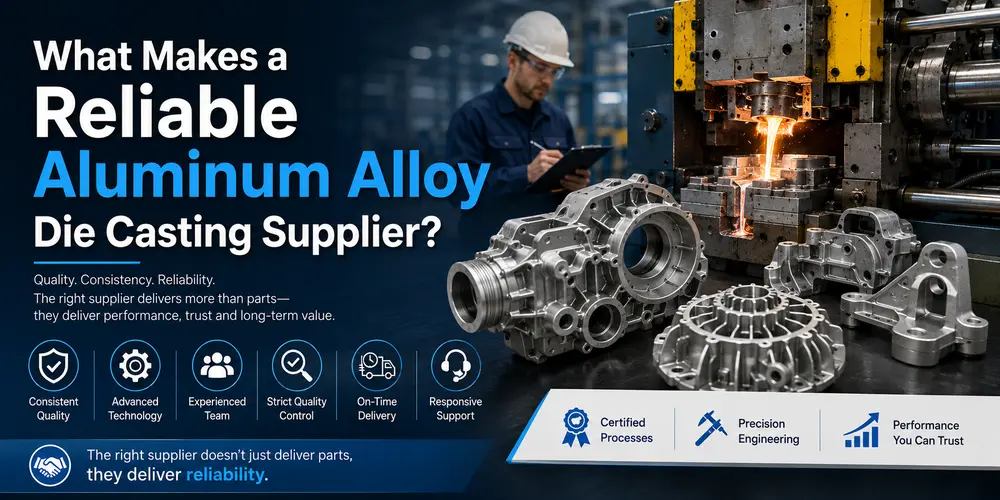
Aluminum die casting is often picked for electrical equipment manufacturing because it gives thermal management, EMI shielding, lightweight strength, design flexibility, and long-term cost savings all in one go. And honestly, picking the right Aluminum Alloy Die Casting Supplier really changes how good the product comes out, how steady the delivery stays, plus the total cost at the end. A solid partner should provide engineering help, quality checks, finishing choices, and related services too like mold making. You can go to xiongzhigroup.com and see solutions that fit your electrical equipment projects
Frequently Asked Questions FAQs
1. Why do people tend to pick aluminum instead of plastic for the electrical housings?
Because aluminum gives improved heat removal, stronger EMI shielding, and better mechanical stiffness, so it’s really a fit for higher power or more sensitive electronics
2. Is aluminum die casting a good choice when you need high volume production?
Yeah, the cycle times are quick and the steel dies last a long time, so it is efficient for big run numbers, and you can keep output pretty steady.
3. Which aluminum alloy is most common in electrical parts?
A380 and ADC12 are usually the go-to options, because they cast well, handle thermal needs nicely, and also resist corrosion
4. Can die cast aluminum parts be waterproof?
Yes, if sealing surfaces are made precisely, plus gaskets are used, and finishing is done correctly, enclosures can reach IP65, IP67, or even higher ratings
5. How does magnesium die casting compare with aluminum?
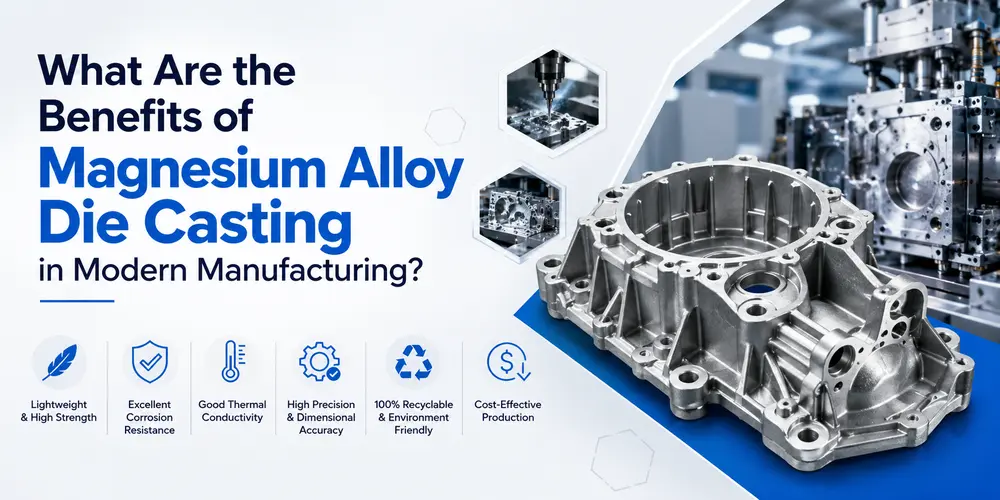
Magnesium is lighter, while aluminum often wins on thermal conductivity, corrosion resistance, and in many cases overall costs.
6. What surface finishes are available for die cast aluminum?
Typical choices include powder coating, anodizing, painting, sandblasting, and chromate conversion coating
7. Does a die casting supplier also provide tooling?
Many suppliers do. Tooling in house or with trusted partners usually helps cut lead times and keeps quality control steadier
8. How do I choose a reliable die casting supplier?
Check for quality certifications like ISO 9001 or IATF 16949, confirm they offer engineering support, verify they have real industry experience, and make sure communication is clear and consistent