- BaoZhu Str. 8, Economic Development Zone, XianAn District, XianNing City, 437000, Hubei Province, China


 XiongZhiGroup Co., Ltd
What Are the Key Stages Followed by Injection Mold Manufacturers in China?
08
Sep 2026
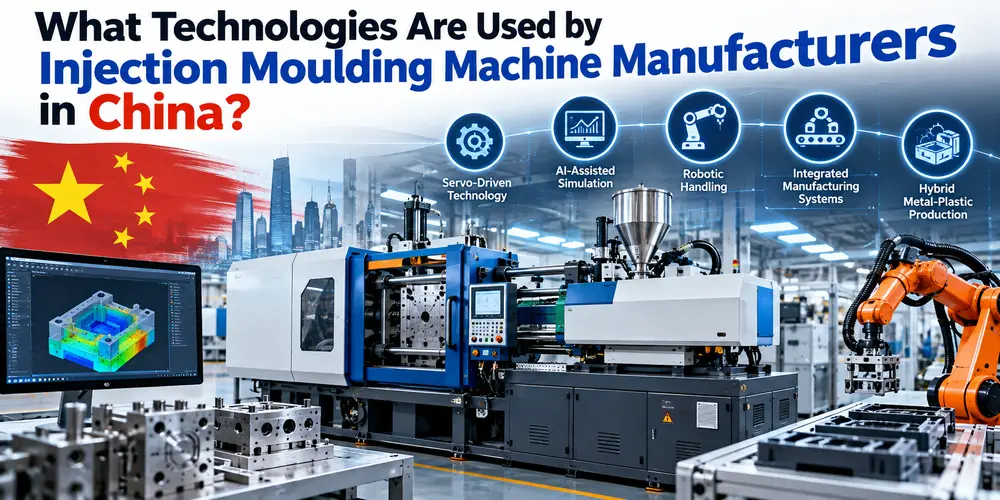
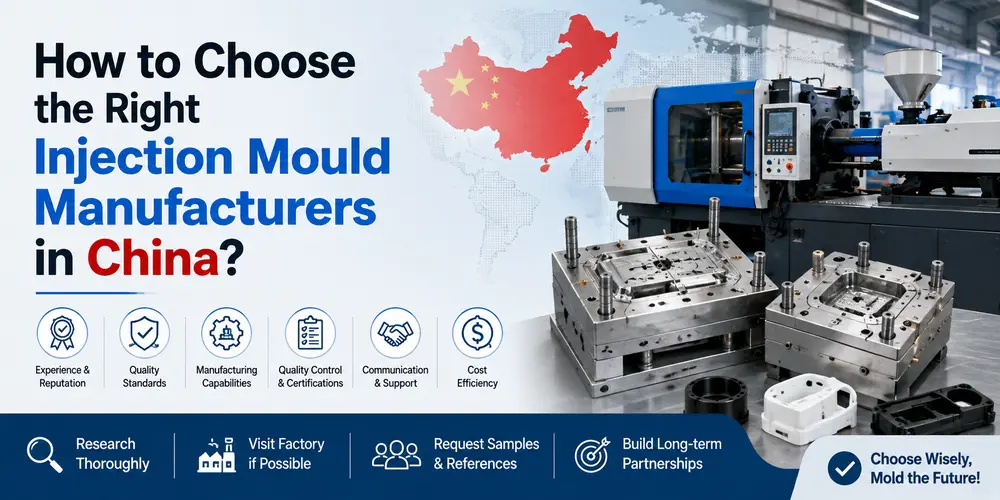
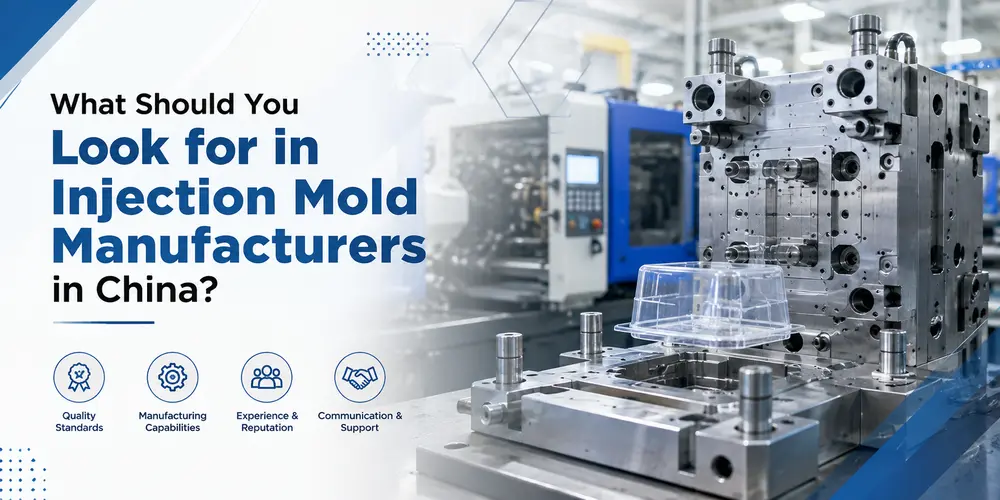
China has kind of become the world’s main place for plastic component making, and a lot of that momentum is tied to the discipline plus process control that Injection Mold Manufacturers in China really stick with. Whether you’re a new company looking for your very first prototype, or you’re already scaling and you need consistent production, it helps to know how a mold goes from the early idea phase to a real finished part. Once you understand that flow, you can pick the right partner and not get dragged into pricey delays. Below, we outline the key steps that reputable shops usually follow, so when you decide to buy injection molds in China, you’ll have a clearer picture of what’s coming.
Key Stages Followed by Injection Mold Manufacturers in China?
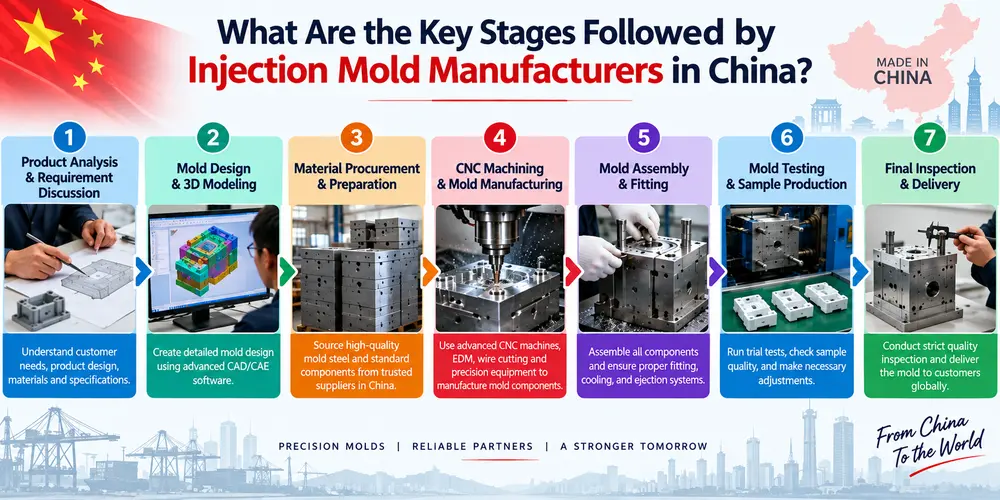
1. Initial Consultation and Design Review
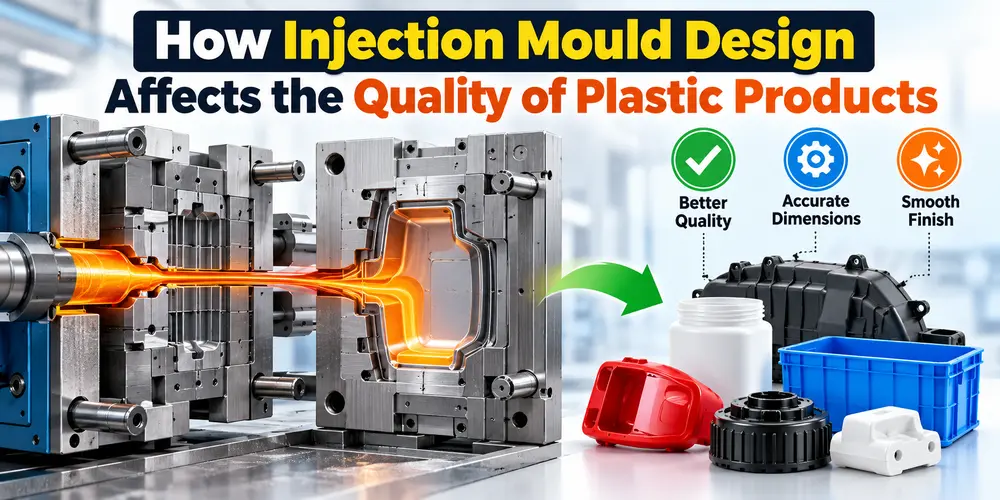
Most mold projects start with a real back and forth between the client and the manufacturer’s engineering folks. Here, Injection Mold Suppliers in China commonly review your 3D CAD files, what the part is meant for, your planned production volume, and the material plan. Solid suppliers tend to spot design weak spots early, like undercuts, uneven wall thickness, or draft angle headaches, before the steel is even cut. This kind of design-for-manufacturability, aka DFM, helps reduce rework later and it’s one of the most obvious signs of a factory that takes quality seriously.
2. Mold Flow Analysis and Feasibility Study
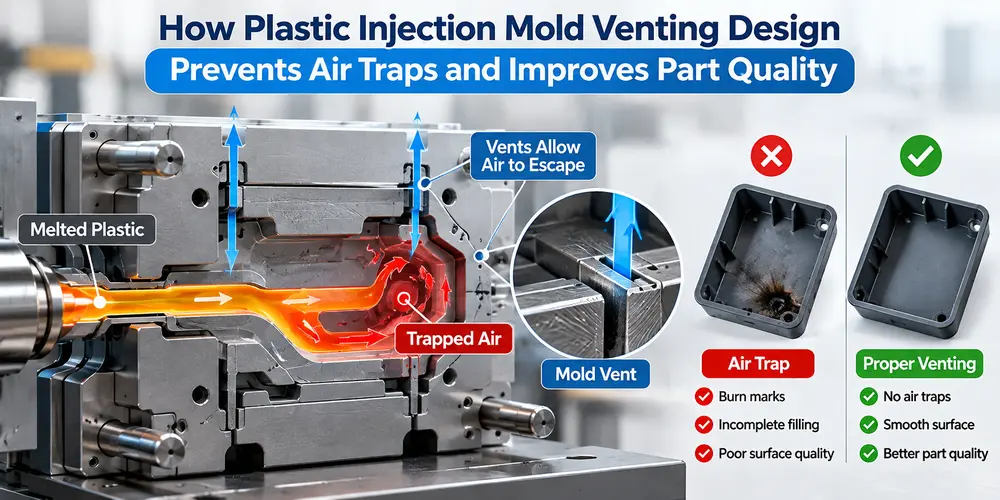
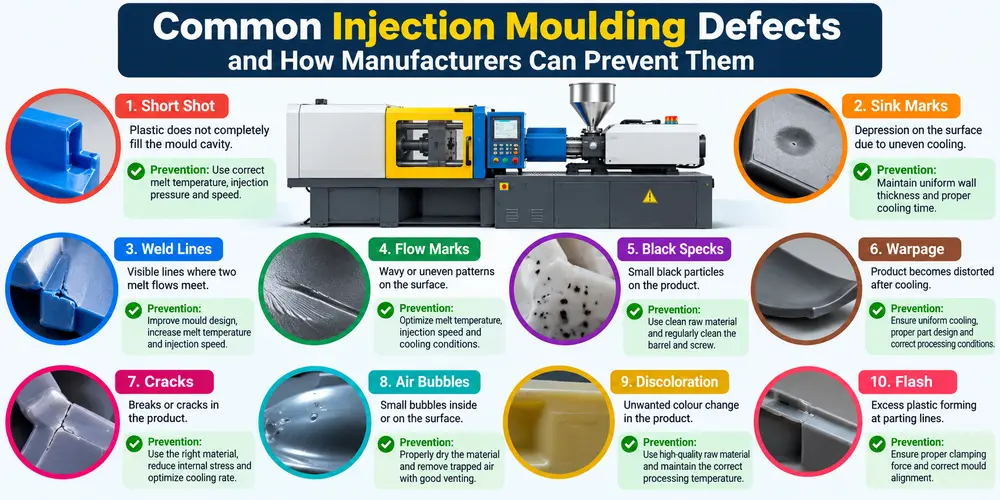
After the design is locked in, engineers usually run mold flow simulation to see how the molten plastic behaves inside the cavity. The goal is to catch likely issues like warping, sink marks, short shots, or weld line problems before tooling is actually made. The feasibility study also helps define gate placement, runner layout, and the cooling channel scheme. If an Injection Mold Distributors in China style of supplier skips this stage, it often turns into expensive corrections later, so for serious manufacturers this is non-optional.
3. Material Selection for the Mold Base and Cavity
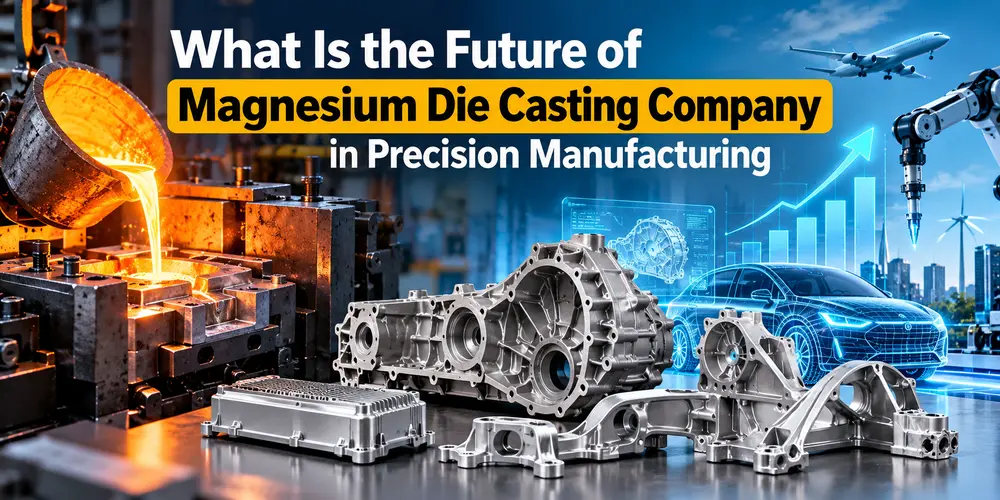
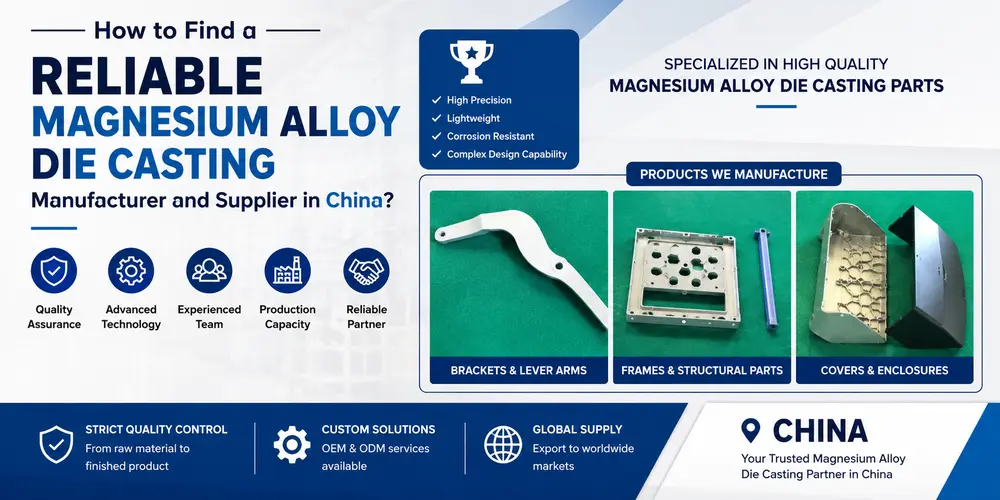
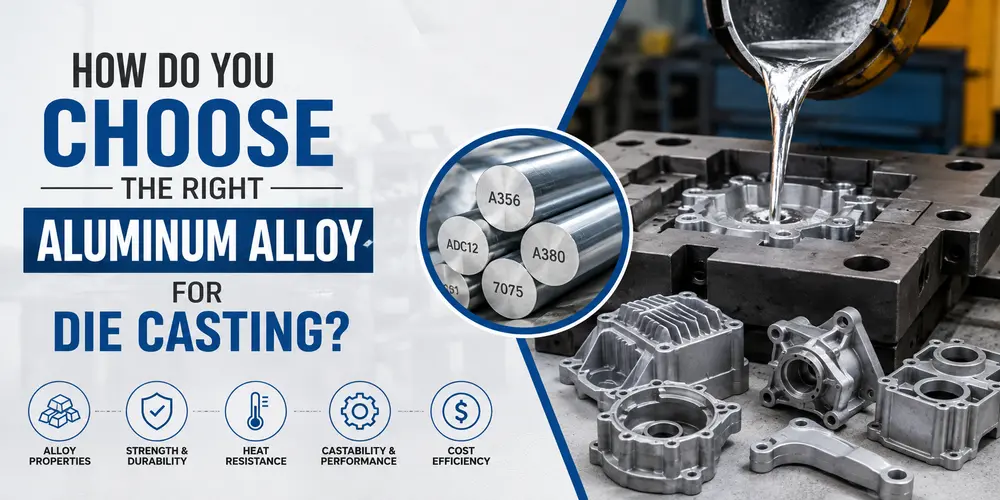
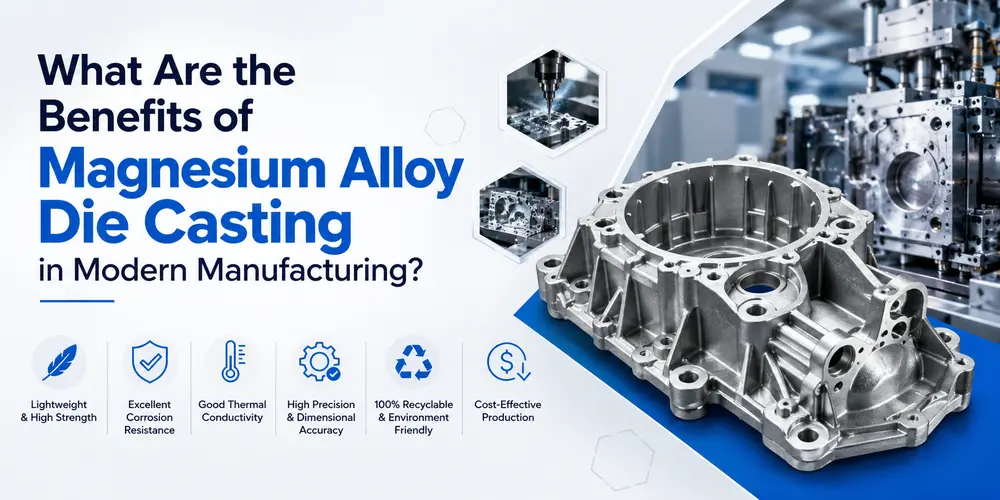
Tool steel choice really matters for both mold life and how consistent the final plastic part ends up. People usually see P20, H13, NAK80, and S136, and each option gets paired with certain production goals and resin types, kind of like a match making thing. For high volume runs hardened steel is often picked, because it tends to hold up longer. For prototypes or low volume, softer and more budget friendly materials can be used, and yeah that’s normal. A solid factory should explain these trade-offs clearly, not just steer you to the lowest price path, because the “save now” attitude can backfire later , especially once you buy injection molds in China and then end up needing replacements sooner than expected. Also, a lot of buyers stick with the same facility for the metal side too, since a Magnesium Alloy Die Casting Manufacturer and Supplier in China may keep adjacent capabilities under the same roof, so plastic and metal components can be sourced by one group, instead of juggling multiple vendors.
4. Precision Machining (CNC and EDM)
Once the design and materials are settled, the actual mold build begins. CNC machining is used to form the mold base, and the core/cavity blocks, to very tight tolerances. Electrical Discharge Machining, EDM, takes over for the detailed geometry, small features, sharp edges, and deep ribs that standard CNC can’t reach properly. Together, these methods support dimensional accuracy that can reach micron-level needs, especially for parts that must fit tightly or show a clean cosmetic finish. Usually, top tier facilities invest in high precision CNC and wire-cut EDM, which is a strong indicator that you’re dealing with an Injection Mold Factory in China that’s not cutting corners.
5. Trial Runs and Sampling (T1, T2, T3)
Before the mold gets approved for full scale production, it usually has to go through a few trial molding sessions, often called T1, T2, and T3. During trials, the technicians tune things like injection pressure, melt temperature, and cooling time, then they compare the molded parts back to the original CAD expectations. If there’s dimensional drift, warping, or surface issues, they adjust settings in between each round. This back-and-forth sampling is often where reputable Injection Mold Manufacturers in China show real value, because some lower quality shops rush straight into mass production before validation is fully done.
6. Quality Inspection and Certification
Once internal checks look good, samples are often sent to the client for sign-off, sometimes with a full measurement package that uses CMM (Coordinate Measuring Machine) systems. Many factories also share material certificates, hardness test outcomes, and mold flow documentation as part of their quality file. As a buyer, you should request these documents before you authorize mass production, especially if you’re working with new Injection Mold Suppliers in China for the first time.
7. Mass Production and Maintenance Support
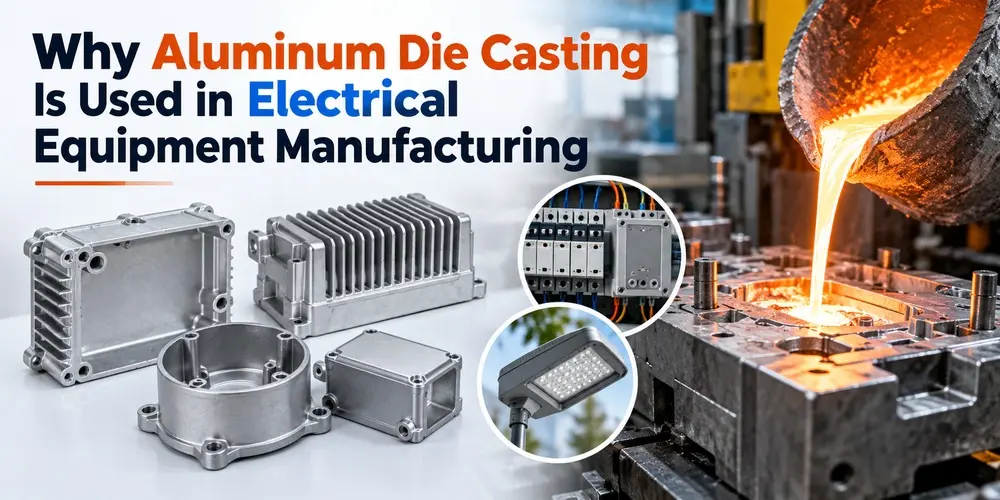
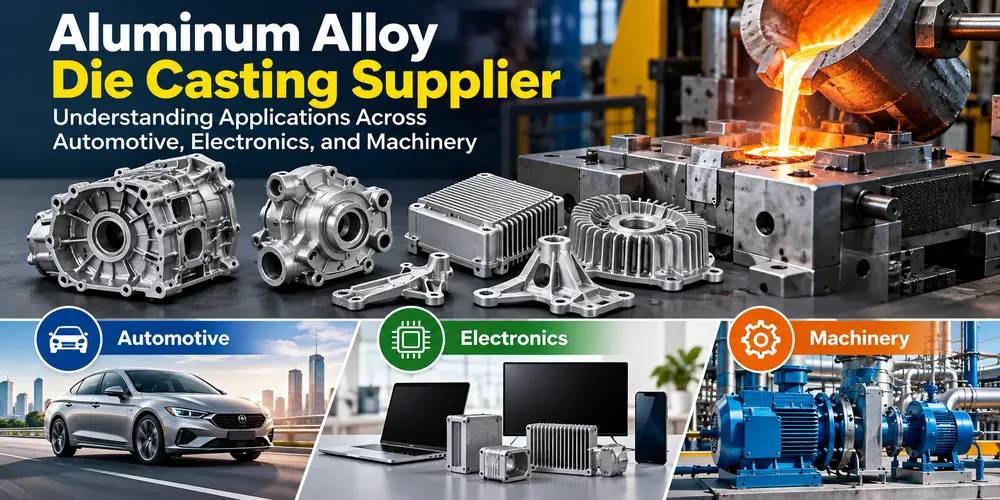
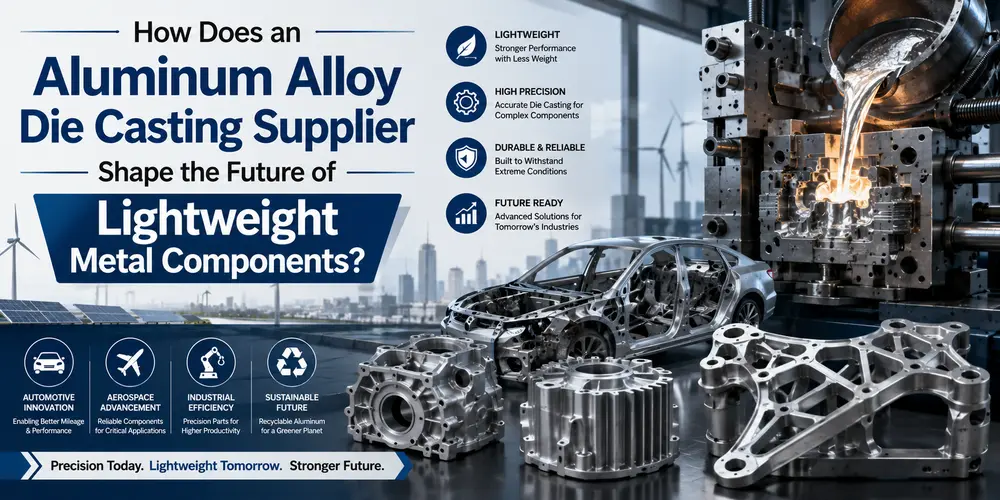
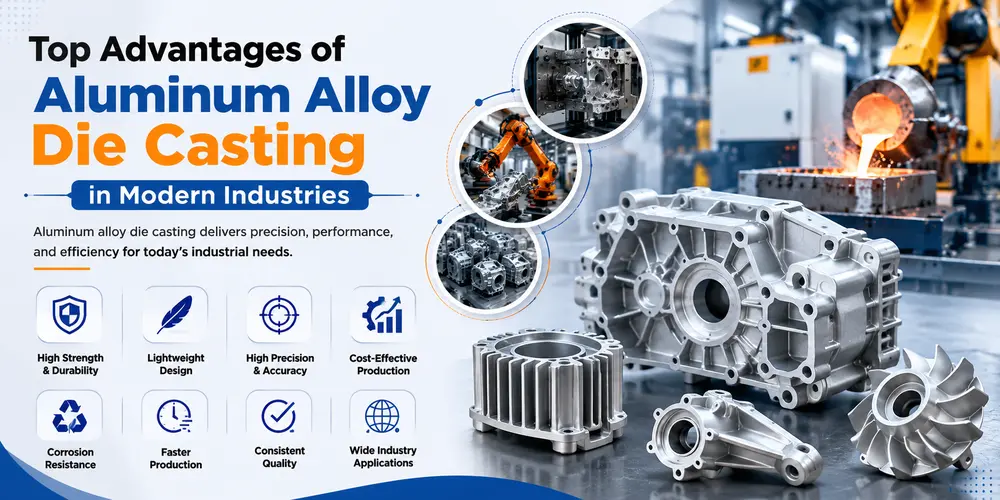
After final approval, the mold goes into real production mode. A reliable manufacturer usually doesn’t just disappear after sign-off. They provide maintenance guidance, spare parts support, and mold repair options to help the tool last across tens of thousands of cycles, sometimes even more depending on the product. Some factories also handle mold storage and management, which helps if you run multiple SKUs. And yeah, often the same operations that handle long-term plastic mold upkeep may also function as an Aluminum Alloy Die Casting Supplier, letting you streamline the broader supply chain under one trusted vendor.
Why the Right Partner Matters
With so many Injection Mold Distributors in China available, it can feel confusing at first. Still, if you focus on process clarity, DFM review, mold flow analysis, precision machining, careful sampling, and quality control documentation, the shortcut-takers become easier to spot. A factory that can walk you through every step with consistent communication and written records is far more likely to deliver a mold that keeps performing across its full production lifespan.
Meet Your Production Needs With Injection Mold Manufacturers in China
From the first design chat, to full-scale fabrication and ongoing upkeep, building an injection mold is kinda multi-stage work, and it usually needs real accuracy, experience, and strict quality checks. When you partner with an established Injection Mold Manufacturers In China, your project gets the benefit of tried-and-true engineering steps instead of pure guess. And if your production also needs metal pieces, going with a supplier that can do plastic tooling plus die casting, like a combined setup, can quietly reduce the back-and-forth in your supply chain. For companies that want to buy injection molds in China with real confidence, xiongzhigroup.com provides end-to-end mold design, mold making, and die casting services, supported by decades of engineering background.
Frequently Asked Questions (FAQs)
1. How long does it typically take to manufacture an injection mold in China?
It depends on complexity but most molds take about 3 to 8 weeks, from design sign-off, to final sample. Some very complex multi-cavity molds can take longer, for sure.
2. What is the difference between a prototype mold and a production mold?
Prototype molds usually run on softer, less expensive steel for shorter low-volume runs. Production molds are made from hardened tool steel, and they are expected to handle hundreds of thousands of cycles.
3. How many trial rounds (T1, T2, T3) are usually needed before mass production?
Most jobs need two to three trial rounds, then they dial in settings. But if you have strict tolerances or tricky geometries, you might need extra rounds.
4. Can Chinese mold manufacturers handle both plastic and metal component production?
Yes, plenty of established factories offer combined work. That can include injection molding along with magnesium and aluminum alloy die casting, so you can consolidate sourcing, in one place.
5. What documentation should I request when buying a mold from a Chinese supplier?
You should ask for a mold flow analysis report, material certificates, CMM dimensional inspection reports, and also sample approval records, before authorizing mass production.
6. How do I verify the quality of an injection mold factory before signing a contract?
Request factory audit reports, client references, and sample parts from earlier projects. Also ask for details on their CNC/EDM equipment and whether they have in-house assembly capabilities, not just machining.
7. What steel types are commonly used for injection molds in China?
Common options include P20, H13, NAK80, and S136. The selection depends on expected production volume, part intricacy, and how abrasive the resin is.
8. Is it more cost-effective to source molds locally or from China?
In many cases, China sourcing is notably cheaper because labor and materials can be lower. Still, it only works well if you choose a manufacturer with strong quality control practices.