- BaoZhu Str. 8, Economic Development Zone, XianAn District, XianNing City, 437000, Hubei Province, China


 XiongZhiGroup Co., Ltd
How Plastic Injection Mold Venting Design Prevents Air Traps and Improves Part Quality
13
Oct 2026
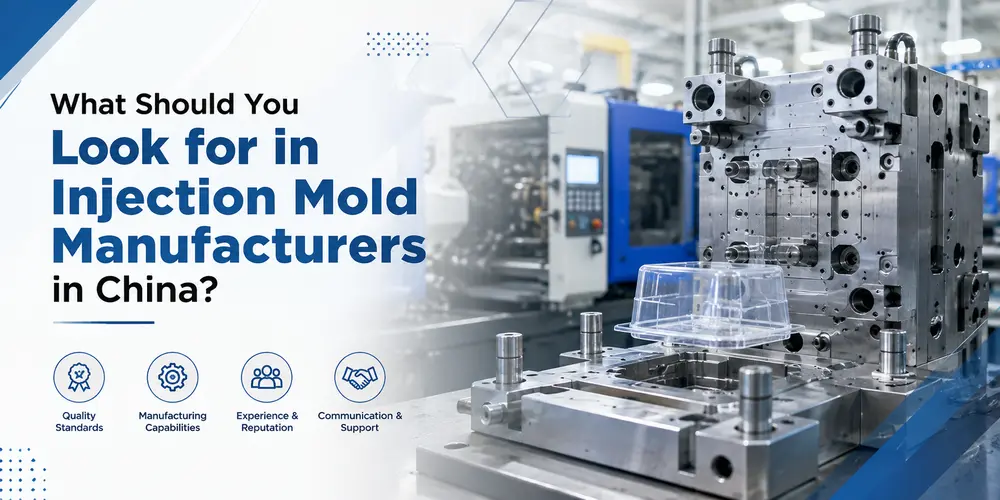
Plastic injection molding is a common process used to make plastic parts for cars, electronics, home appliances, medical products, and many other items. During this process, melted plastic enters a mold and takes the shape of the mold cavity. However, the cavity already contains air. If this air cannot escape, it may become trapped inside the mold and affect the final product. This can lead to black marks, incomplete filling, weak areas, and poor surface quality. Good venting design helps air and gases leave the mold while the plastic fills it. This makes production more stable and helps manufacturers produce better parts. Businesses looking for reliable production solutions often compare Injection Moulding Machine Manufacturers in China based on their equipment, mold design skills, and quality control methods. The team at xiongzhigroup.com also works in the injection molding and mold manufacturing field, where proper design is an important part of product quality.
How Does Plastic Injection Mold Venting Work?
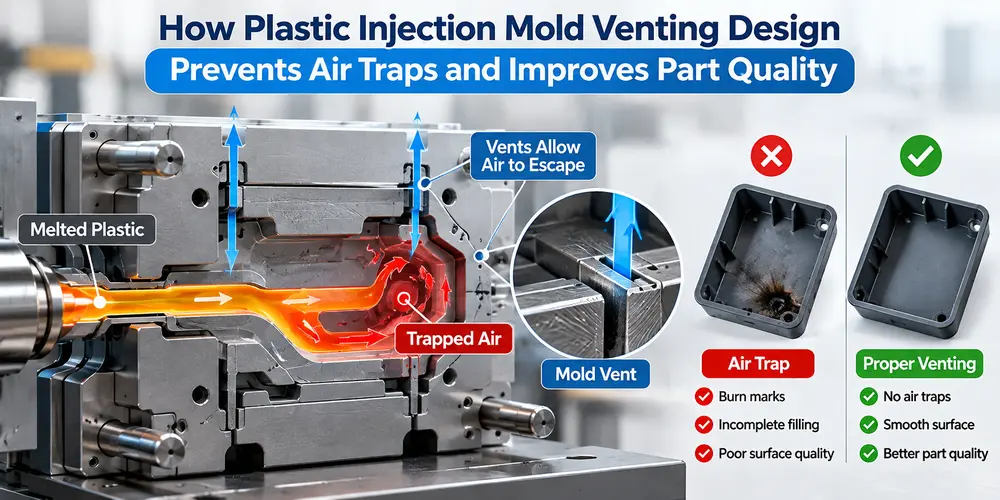
Mold venting uses small channels and openings that allow trapped air and gases to leave the mold cavity. As melted plastic moves inside the mold, it pushes the air toward the vent areas. The air escapes through these small paths, allowing the plastic to fill the required shape more easily. Vents must be designed carefully. If they are too small or blocked, air may remain inside the cavity. If they are too deep, melted plastic may escape and create flash, which is unwanted extra material along the part.
Important points in mold venting
design include:
- Vent location:
Vents should be placed where air is likely to become trapped, such as at
the last filling areas.
- Vent size:
The opening must allow air to escape without letting plastic flow through
it.
- Mold surface:
Clean and well-fitted mold surfaces help the venting system work
correctly.
- Material type:
Different plastics may need different vent dimensions and processing settings.
- Regular cleaning:
Vents must be checked to prevent dirt and material deposits from blocking
the air paths.
A well-designed venting system helps improve filling and reduce common production problems. The correct design depends on the plastic material, part shape, and mold structure.
Common Problems Caused by Poor Mold Venting
Poor venting can affect both the appearance and strength of plastic parts. Manufacturers should understand these problems so they can find the real cause and take the right action.
- Burn marks: Trapped air can become very hot when compressed by incoming plastic. This may leave brown or black marks on the finished part.
- Short shots: A short shot occurs when the mold cavity does not fill completely. Trapped air can prevent plastic from reaching some areas of the mold.
- Weak weld lines: Weld lines form when two streams of melted plastic meet. Poor air removal in these areas can affect the quality of the joint.
- Flash: Flash is extra plastic that escapes through a gap in the mold. Incorrect vent dimensions or poor mold fitting may contribute to this issue.
- Poor surface finish: Air traps and gas marks can create visible defects that make a part look uneven or damaged.
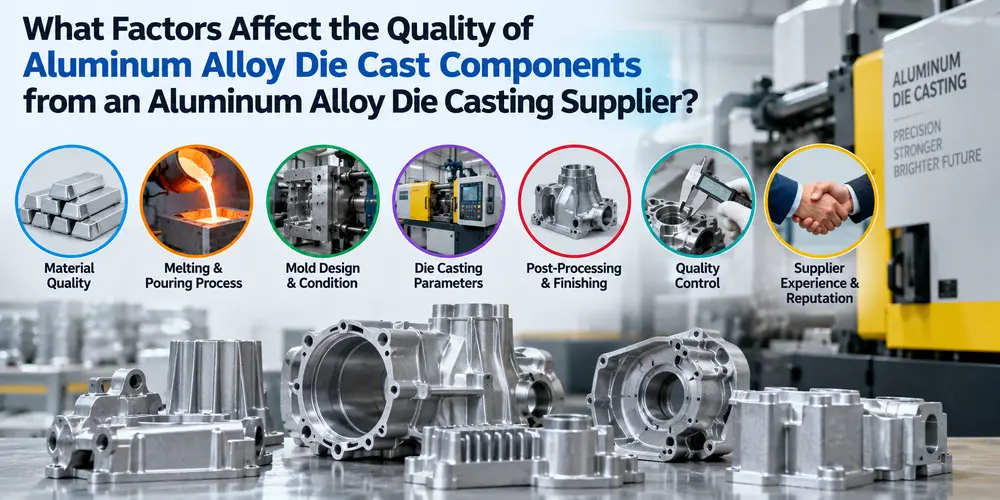
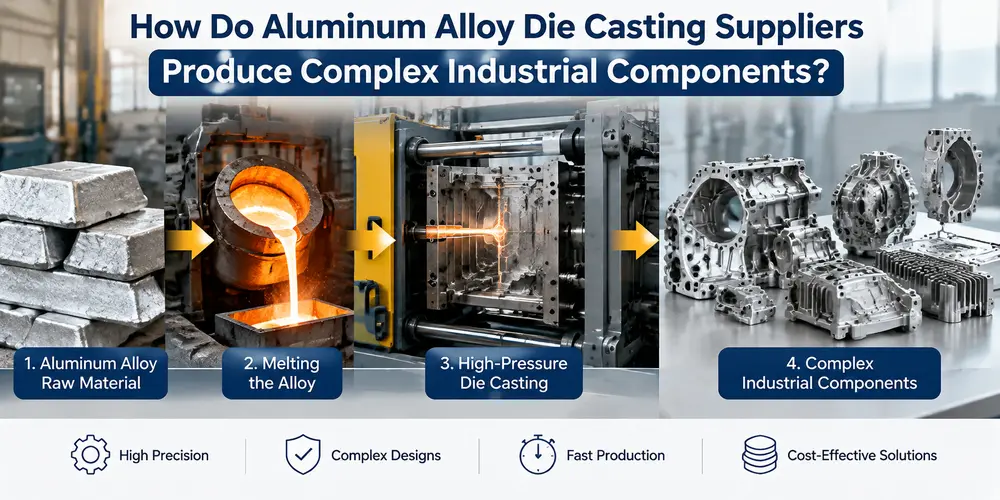
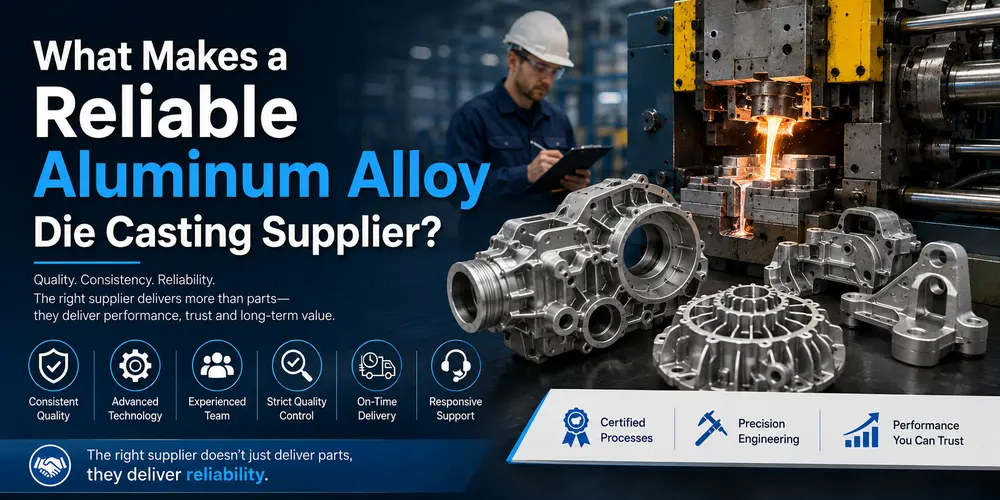
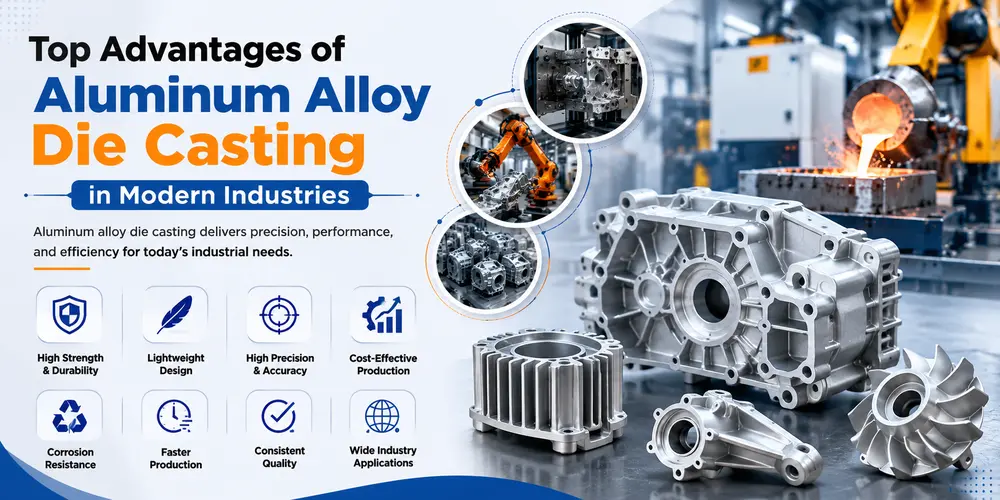
These problems can increase waste, repair costs, and production time. An experienced Aluminum Die Casting Manufacturer in China also needs proper air removal in metal casting, although metal casting and plastic injection molding use different materials and process requirements. Correctly identifying the manufacturing process is important when selecting a suitable solution.
Ways to Improve Injection Mold Venting Design
Manufacturers can improve mold venting by checking the part design, mold structure, and production process before starting large-scale manufacturing. First, they should study the product shape and identify areas where air may become trapped. Deep ribs, narrow sections, corners, and areas where plastic streams meet may need special attention. Second, mold designers should select suitable vent locations. Parting lines, ejector pins, and special inserts can provide paths for air to escape when designed correctly. Third, manufacturers should test the mold before mass production. Trial runs help them check whether the plastic fills the cavity properly and whether defects appear in the same locations. They should also check the plastic material and machine settings. Moisture, excessive heat, and unsuitable injection speed can cause defects that may look similar to venting problems. Therefore, changing the vent design is not always the only solution. Finally, regular mold maintenance is important. Dust, plastic deposits, and other residue can block vents over time. Cleaning and inspecting these areas helps keep production consistent and reduces the chance of repeated defects.
Quality Checks Before Starting Mass Production
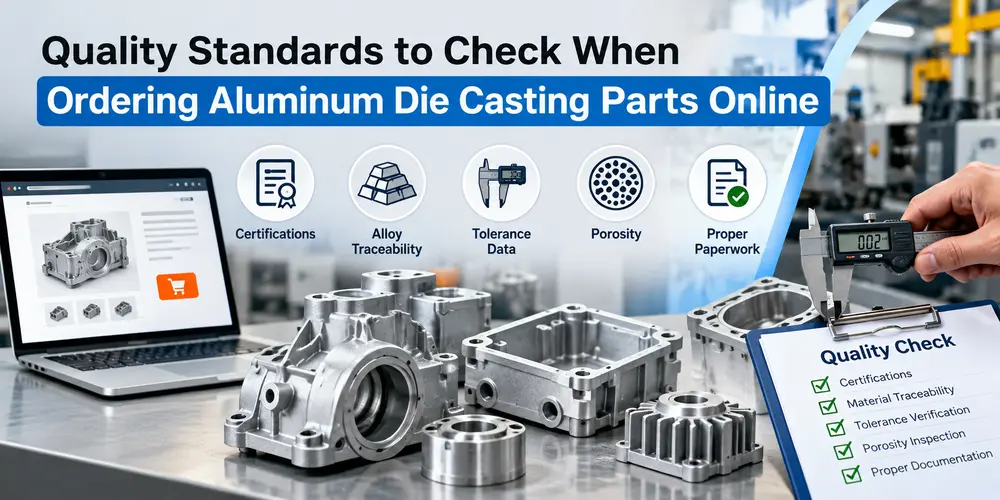
Quality checks help manufacturers confirm that the mold can produce parts that meet the required specifications. A good inspection process should cover both the mold and the finished products. Manufacturers should inspect sample parts for burn marks, incomplete filling, flash, visible gas marks, and weak weld lines. They should also measure important dimensions to confirm that the part matches the technical drawing. A trial report can record the material grade, machine settings, inspection results, and any changes made to the mold. This information helps the production team understand what works and repeat the same conditions during later production. Buyers who also purchase metal components can review Quality Standards to Check When Ordering Aluminum Die Casting Parts Online to understand the importance of material checks, dimensional inspection, surface quality, and supplier documentation. These checks should be selected according to the requirements of each product. Before approving production, buyers should request samples, inspection reports, and clear information about any remaining defects. Testing samples under real working conditions can also help confirm that the parts are suitable for their intended use.
Choosing the Right Manufacturing Partner
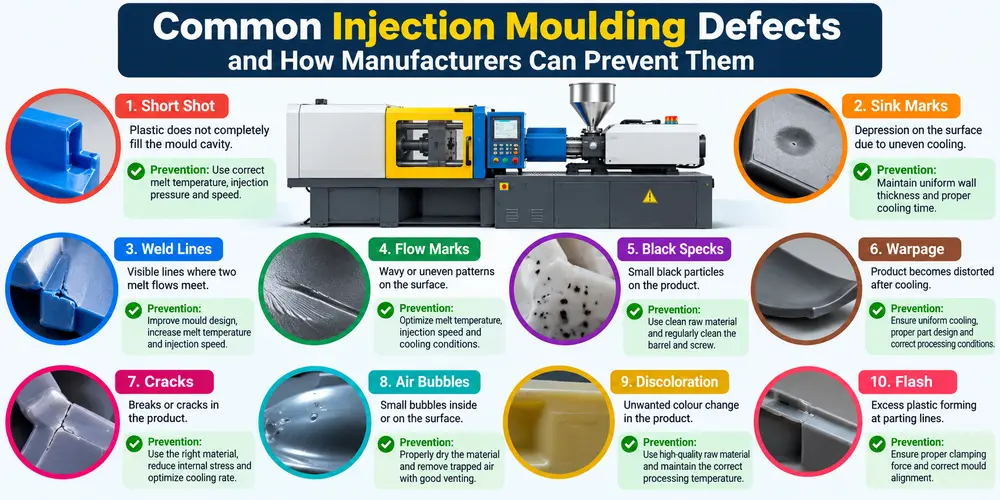
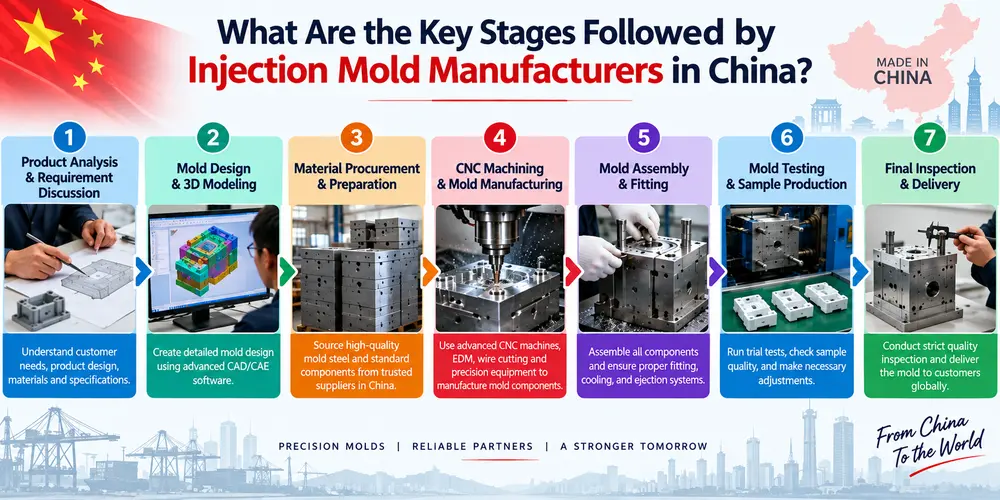
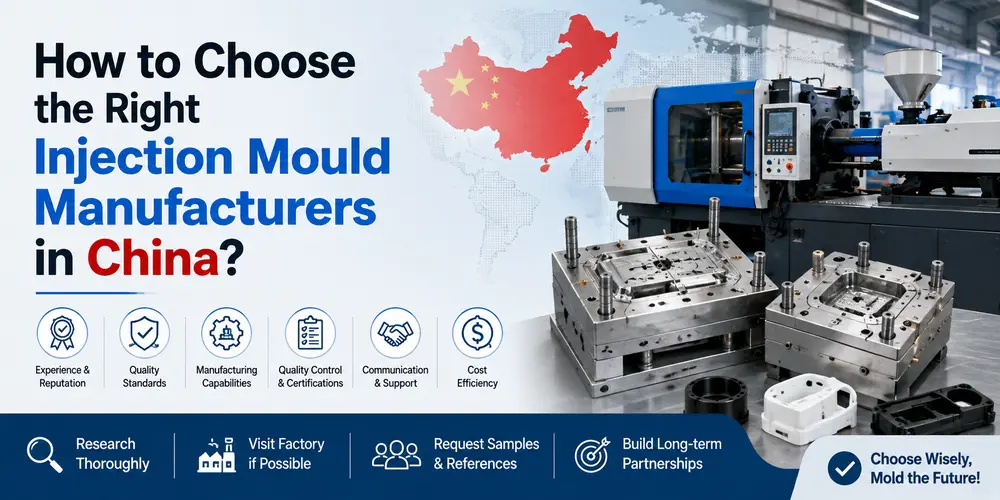
A suitable manufacturing partner should understand product design, mold construction, material selection, and quality control. Buyers should not choose a supplier based only on price. Poor mold design can lead to repeated defects, delayed orders, and extra costs later. Ask the manufacturer about its mold design process, trial production methods, inspection equipment, and experience with similar products. It is also helpful to share technical drawings, material details, required quantities, and surface finish needs before requesting a quotation. For more information about common production issues, read Common Injection Moulding Defects and How Manufacturers Can Prevent Them. This internal link can help readers learn more about defects and ways to improve product quality. The website xiongzhigroup.com provides information about injection molding, molds, and related manufacturing services. Buyers can explore its relevant product categories to understand the available solutions and decide whether the company fits their project needs. Clear communication and proper testing help both buyers and manufacturers avoid confusion. A good partner should explain technical problems in simple words and provide practical solutions based on the product requirements.
Frequently Asked Questions About Plastic Injection Mold Venting
1. What is plastic injection mold venting?
Plastic injection mold venting is a system of small channels that allows trapped air and gases to escape while melted plastic fills the mold.
2. Why is mold venting important?
It helps prevent air-related defects, improves part quality, and supports stable production.
3. What causes air traps in injection molding?
Air traps can occur when air becomes blocked by flowing plastic, especially near the last filling areas, deep ribs, and narrow sections.
4. Can poor venting cause burn marks?
Yes. Compressed air and gases can become very hot and leave dark marks on the plastic surface.
5. What are short shots in injection molding?
A short shot occurs when melted plastic fails to fill the entire mold cavity, leaving part of the product incomplete.
6. Where should mold vents be placed?
Vents are often placed near the last filling areas and other locations where air may collect. The exact position depends on the mold design.
7. Can venting reduce production costs?
Good venting can reduce rejected parts, rework, and production interruptions, helping control manufacturing costs.
8. How often should mold vents be cleaned?
Cleaning frequency depends on the material, production volume, and amount of residue. Manufacturers should inspect vents regularly and clean them when needed.
9. Can machine settings solve every venting problem?
No. Machine settings may help with some defects, but a poorly designed or blocked vent may require mold inspection or modification.
10. How can buyers check mold quality before mass production?
Buyers can review sample parts, inspection reports, product dimensions, surface quality, and trial production results before approving full production. Good mold venting design is an important part of producing reliable plastic components. By providing suitable paths for air to escape, manufacturers can reduce common defects and improve the quality of finished parts. Careful mold design, proper testing, regular maintenance, and clear communication with the manufacturing partner all help support better production results.