- BaoZhu Str. 8, Economic Development Zone, XianAn District, XianNing City, 437000, Hubei Province, China


 XiongZhiGroup Co., Ltd
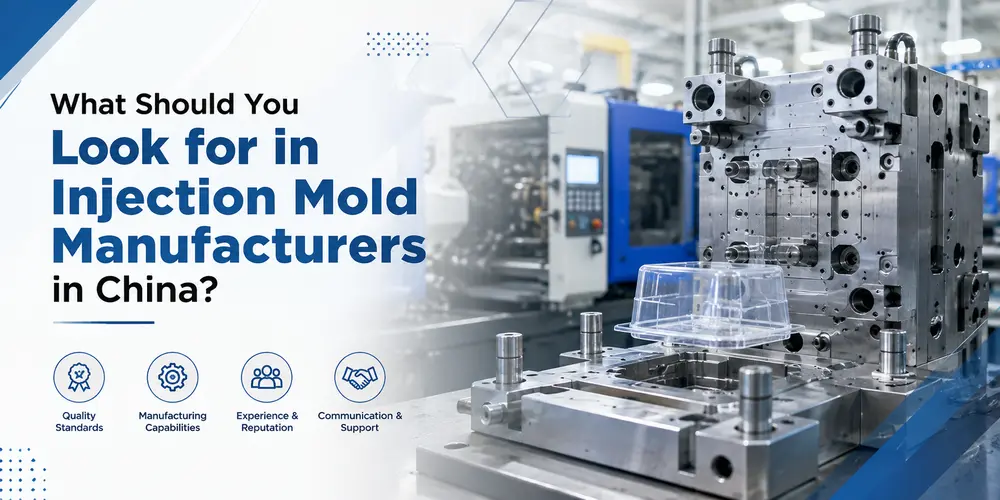
What Should You Look for in Injection Mold Manufacturers in China?
13
Aug 2026
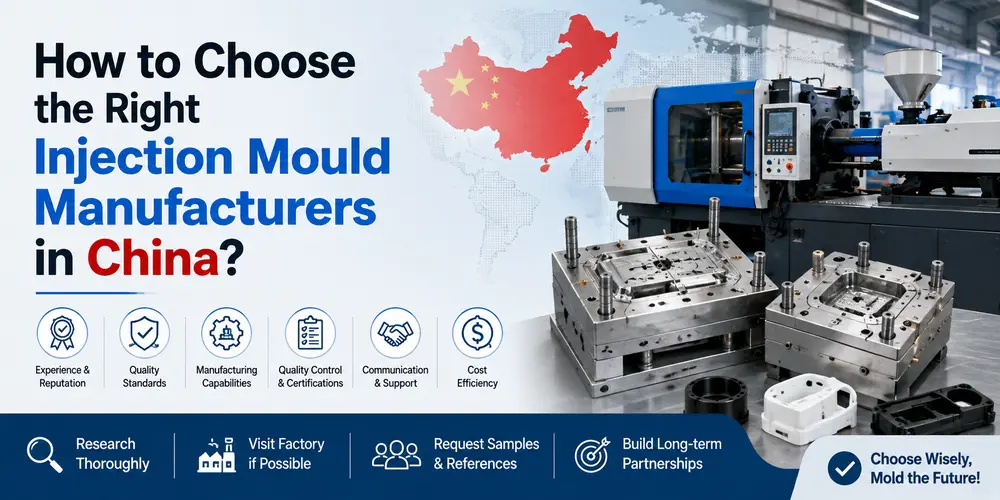
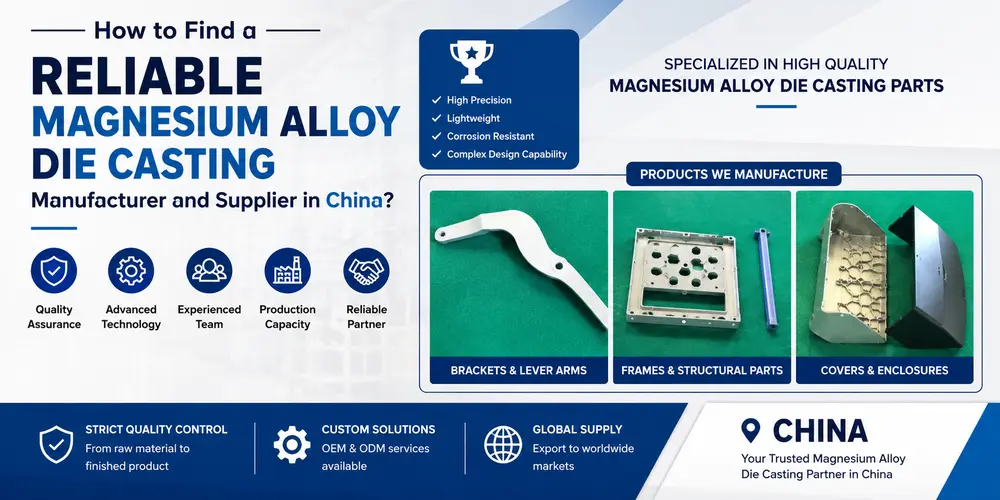
China has always been kind of the default place, for businesses who want something cost effective yet still high quality, for manufacturing, and injection molding is not some special case. If you’re a startup getting ready to ship your first product, or you’re already a brand that needs to scale up output, picking the right partner from all those Injection Mold Manufacturers in China can totally make or break your supply chain. There are thousands of factories and they offer everything, from early prototyping to full volume manufacturing, so the whole “finding the right fit” part can start to feel a little too much and messy. Also, some buyers don’t only stay in plastic moulding, they also look at related services like the option to buy magnesium alloy die casting online, especially when the design needs lightweight but still tough metal pieces sitting alongside plastic parts. In other words, this write up is here to spell out what to check, so you can decide with more confidence, and less guess work.
Certifications and Quality Standards
When you send production overseas, quality assurance is not something to “maybe” later. Solid Injection Mold Distributors in China, plus the manufacturers themselves should have certifications like ISO 9001 for quality management, IATF 16949 for automotive related parts, or ISO 13485 when you’re dealing with medical-grade components. Those certifications suggest the factory runs standardized routines for inspection, documentation, and ongoing improvement. But don’t stop at paper, ask what they’re in house quality control actually looks like. Do they use CMM (coordinate measuring machines) for dimensional accuracy, do they run first article inspections, and can they provide detailed inspection reports? A factory that’s willing to be transparent about its QC process is often the type you can trust more easily.
Tooling capabilities, and the equipment that matters
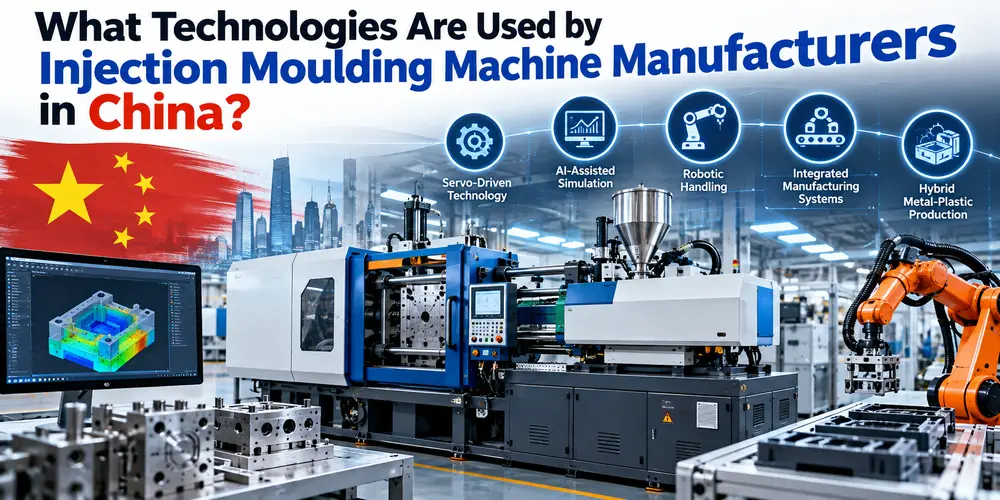
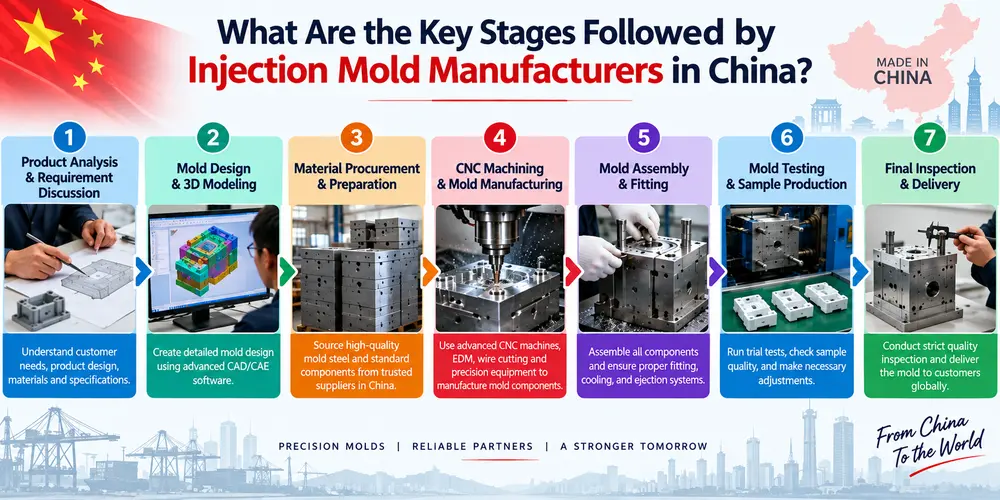
In injection molding, the heart of it is the tooling, and the machines supporting it. A good Injection Mold Factory in China should have a mix like CNC machining centers, EDM setups, and injection molding machines covering different tonnage ranges for various part sizes and complexity. You should ask directly about mold steel choices, P20, H13, S136, etc., plus expected mold lifespan. Also ask whether they can optimize cycle time instead of just running standard settings. Factories that invest in modern equipment, and keep strict machine maintenance routines, tend to build more consistent molds, with fewer defects, and better tool life overall.
Design and engineering support, not just “build it”
The strongest partners don’t only do the job, they help improve it too, even before you regret a design decision. Look for Injection Mold Exporters in China that provide in-house DFM analysis, mold flow simulation, and engineering consultation. This kind of support can flag sink marks, warping, or weld lines before the tool is fully cut, which helps avoid costly rework later. Ask whether they share 3D CAD files, include mold flow analysis reports, and keep communication clear during design iterations. When the manufacturer behaves like an engineering partner, not simply a seller taking orders, it adds real long-term value to your product development schedule.
Communication and project management
Working with overseas suppliers can become complicated fast, mainly with language and time zone gaps. The more reliable Injection Mold Makers in China usually have dedicated English speaking sales and engineering teams, so technical details get explained clearly and replies don’t take forever. Do they send regular updates with photos or videos during mold building, and again during production runs? Clear proactive communication reduces misunderstandings, and that often becomes the base for successful longer-term partnerships.
Pricing transparency and total cost of ownership
Sure, competitive pricing is why many companies look to China, but the cheapest quote isn’t automatically the best deal. Evaluate Custom Injection Mold Manufacturers in China with total cost of ownership, not only the first price number. Total cost includes tooling costs, per part pricing across multiple production volumes, shipping and duties, possible rework expenses, and mold maintenance fees over the tool’s lifetime. Request itemized quotes that clearly show what’s included, and be careful if a supplier stays vague about what they’re actually offering. Sometimes a higher upfront tooling cost from a manufacturer with better quality control ends up saving a lot more money over the full run lifespan.
Flexibility Across Materials and Processes
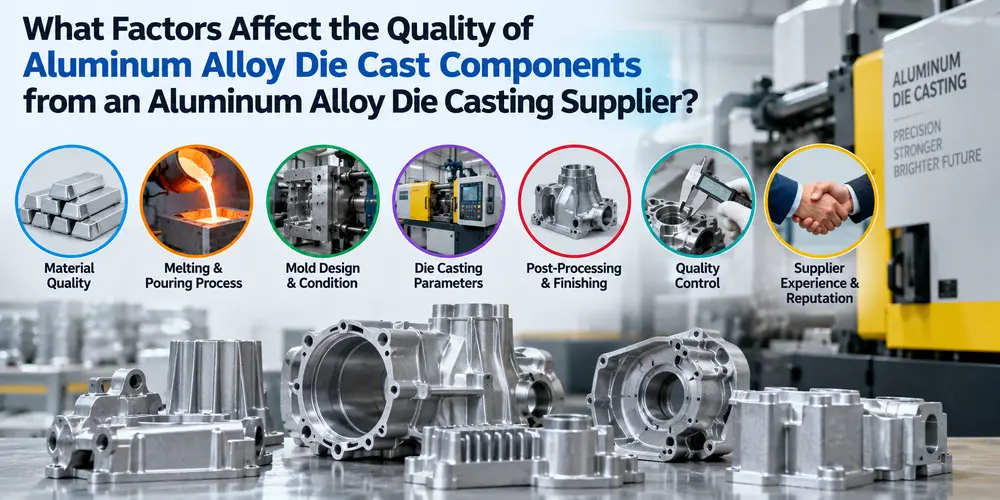
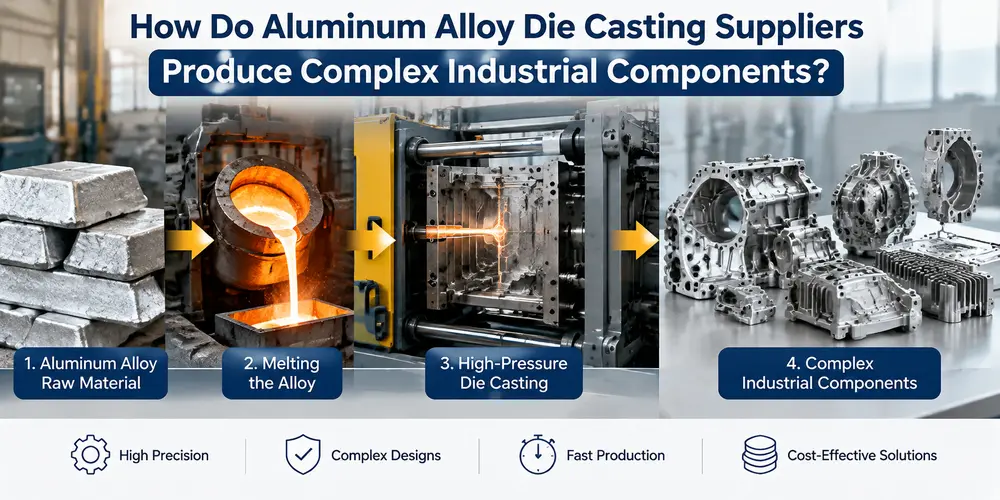
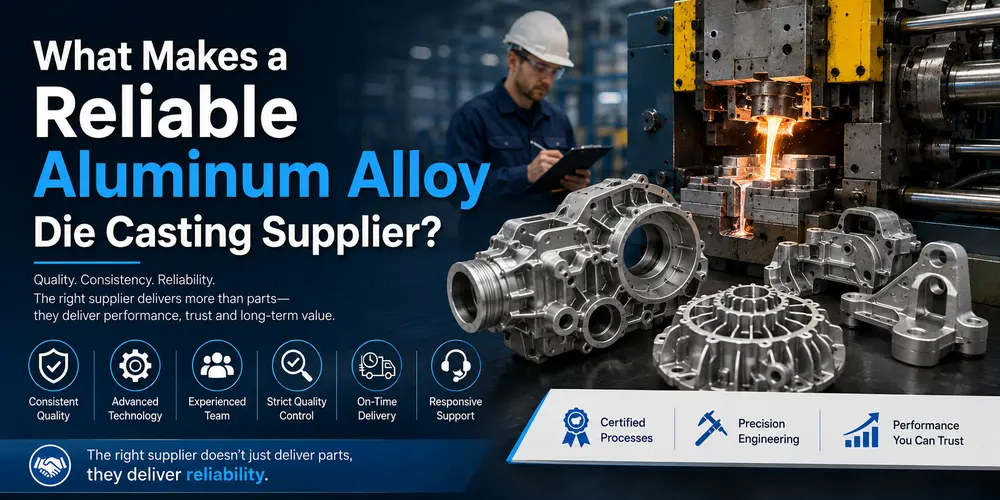
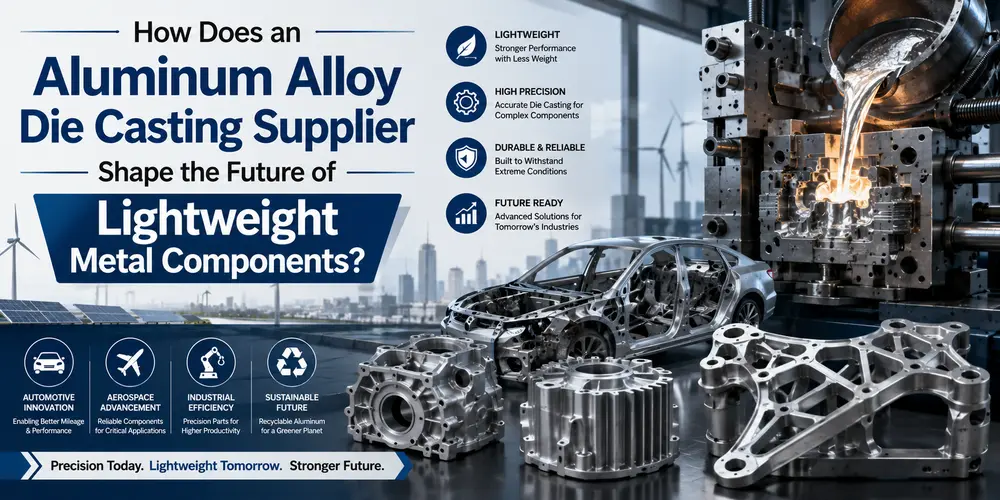
Many product teams need more than plastic injection molding alone. If your build includes metal components, it’s smart to confirm whether your partner or a connected affiliate can also buy aluminum alloy die casting online, so you get a more one stop path for both plastic and metal parts. Consolidating suppliers like this can shorten lead times, simplify logistics, and make quality control easier across your full bill of materials, instead of dealing with multiple separate vendors scattered across regions or countries.
Final Thoughts: Your Best Injection Mold Manufacturers in China
Picking the right manufacturing partner for buying Injection Mold Manufacturers in China might sound simple, but it usually takes real diligence, you know, checking details, asking questions, and double confirming things. The good news is the payoff is huge reliable quality, competitive pricing, and a production process that feels steadier and smoother. If you look closely at things like experience, certifications, the equipment they use, engineering support, how they communicate, how clear they are on cost, material flexibility, and the whole IP protection side, you’ll be in a better position to find someone who can carry your product from prototype stage all the way to mass production. And if you’re after a proven, full-service partner that mixes plastic injection molding with metal die casting capabilities, XiongzhiGroup.com might be a solid option. More info about their capabilities and services is available at xiongzhigroup.com.
Frequently Asked Questions
1. How long does it usually take to build an injection mold in China?
Most mold-building timelines often land around 3 to 8 weeks, yet it depends on the part’s complexity, overall size, and how many cavities are planned. A straightforward single-cavity mold may come faster, but multi-cavity setups, or family molds, usually require more time.
2. What is the minimum order quantity (MOQ) for working with a Chinese injection mold factory?
MOQs can change a lot by supplier. Some factories will take small prototype orders or lower-volume production, while others ask for higher minimums, since tooling is a real investment for them. Usually the smartest move is to talk about your expected volume right at the beginning.
3. Can I request a sample part before moving into full production?
Most reputable manufacturers can do a first-article sample or a T1 trial sample, so you can review it before mass production starts. That way you can validate fit, function, and surface finish, without guessing.
4. What materials can be used for injection molding besides standard plastics?
You can use multiple material paths, like ABS, polypropylene, polycarbonate, nylon, and other engineering-grade resins. Some suppliers can also support added metal-related processing when the parts need higher strength or stronger thermal resistance.
5. How can I protect my product design when working with an overseas manufacturer?
A common, strong method is an NNN agreement (non-disclosure, non-use, and non-circumvention). If it’s drafted correctly and is enforceable under Chinese law, it’s often one of the more effective tools for protecting intellectual property.
6. What is the difference between prototype tooling and production tooling?
Prototype tooling is often made using softer materials, because it’s meant for testing, validation, and smaller production runs. Production tooling is more serious; it’s usually built from hardened steel so it can handle hundreds of thousands of cycles.
7. How is shipping usually handled for finished parts?
Many manufacturers offer shipping terms like FOB, CIF, or DDP, and they can coordinate with freight forwarders for you. This helps match sea shipping or air shipping to your timeline, plus your budget.
8. Do Chinese mold makers also handle secondary processes like painting or assembly?
A lot of full-service factories provide value-added steps. This can include painting, printing, ultrasonic welding, and even product assembly, so what you receive is ready-to-ship, not only a molded shell.