- BaoZhu Str. 8, Economic Development Zone, XianAn District, XianNing City, 437000, Hubei Province, China


 XiongZhiGroup Co., Ltd
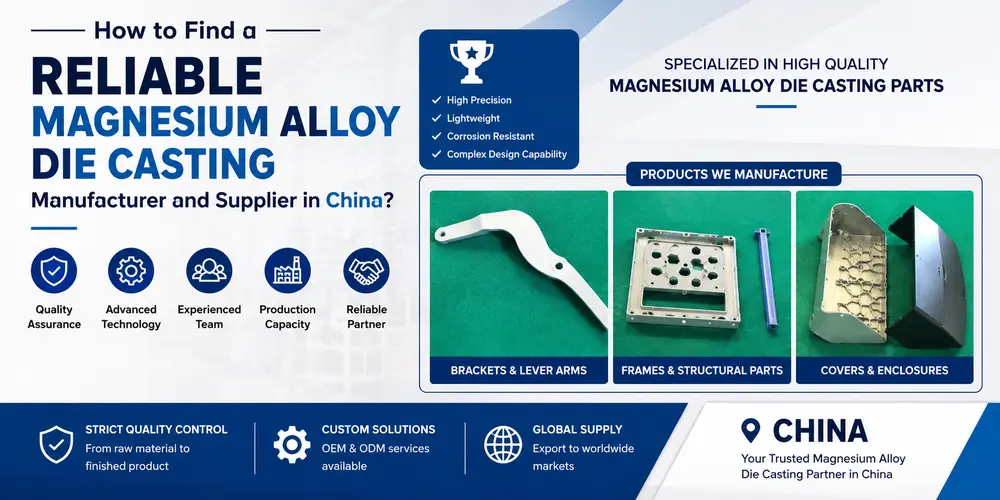
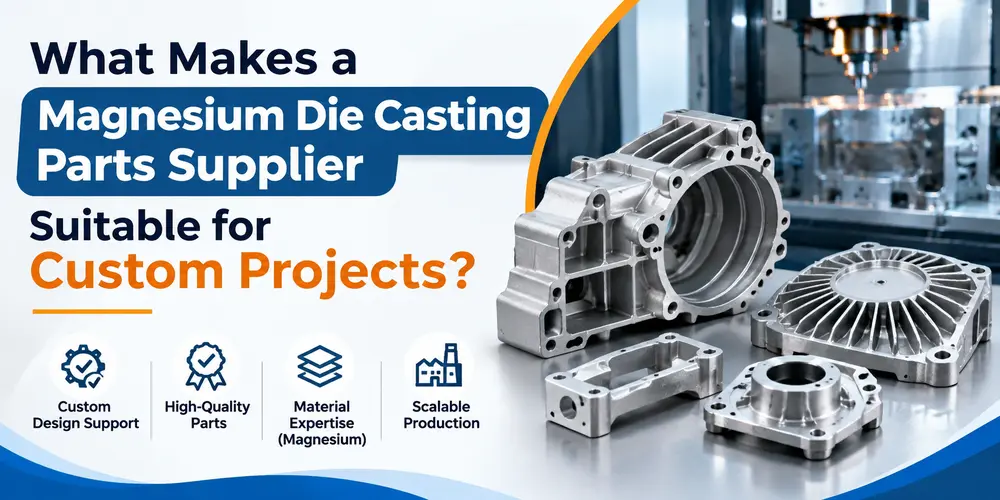
What Makes a Magnesium Die Casting Parts Supplier Suitable for Custom Projects?
03
Nov 2026
Selecting the ideal Magnesium Die Casting Parts Supplier can be the difference between a successful custom project and a costly ordeal. Magnesium is the lightest of common metals used for structural metal applications and is commonly used in the automotive, electronics, medical and power tools industry. Custom parts are not just about a standard catalog, however. They require engineering assistance, flexible production and strict quality control. Companies such as xiongzhigroup.com demonstrate how one company can offer casting, tooling, and machinery services. In this blog, we list all the important things you should consider prior to signing any contract with a supplier.
1. Proven Experience in Magnesium Alloy Die Casting
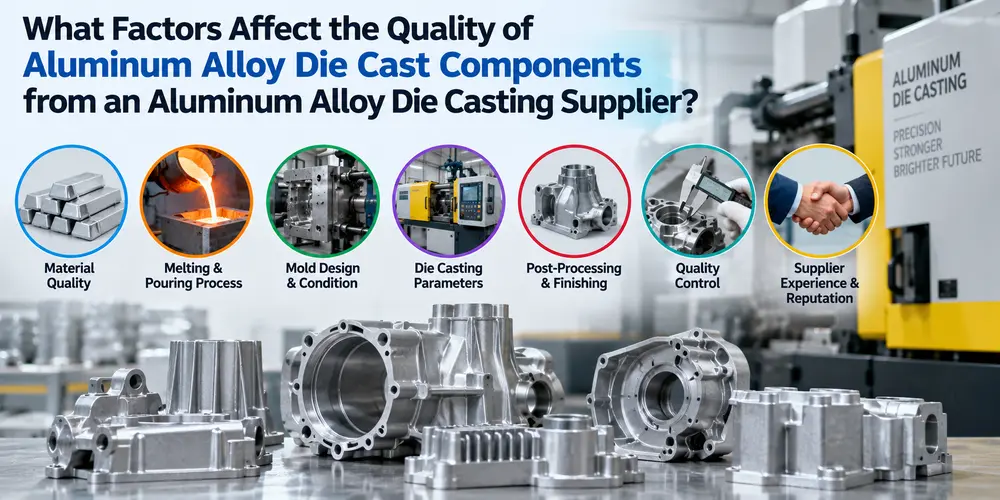
First of all, you need to find real experience. To prove a successful track record of past projects, knowledge of materials, and process control, a reliable Magnesium Alloy Die Casting company in China should be capable. Magnesium is different from other metals. It gets hot very easily, melts at a lower temperature and requires careful handling to prevent defects like porosity or cold shuts. Find out from the supplier what alloys they are using, including AZ91D, AM60B or AM50A. Each possesses individual strength, ductility and corrosion resistance. A quality supplier will be able to tell you which alloy is suitable for your part and why. If they say “yes” to each and every request without having to explain, it's a red flag.
2. Strong Engineering and Design Support
When it comes to custom projects, they do not always come with a perfect design. A good supplier will aid you in optimizing the design prior to manufacture. Also known as design for manufacturing (DFM).
Choose a team that is able to:
- Discuss your 3D models and recommend wall thickness modifications
- Provide draft angles and rib placement suggestions
- Use mould flow analysis to predict filling issues.
- Provide recommendations for weight loss without sacrificing performance
Feedback from engineering saves money, especially if it occurs early in the project. A minor change on paper will avoid weeks of rework in the future.
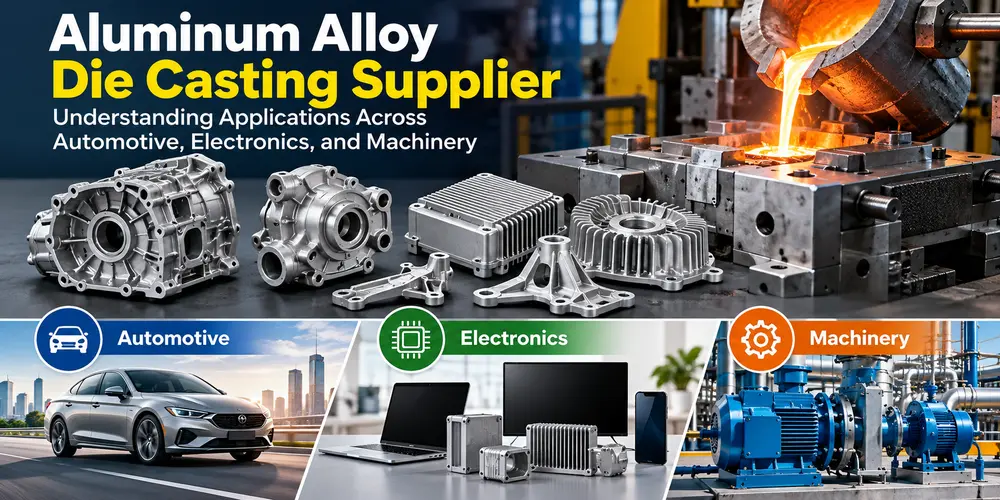
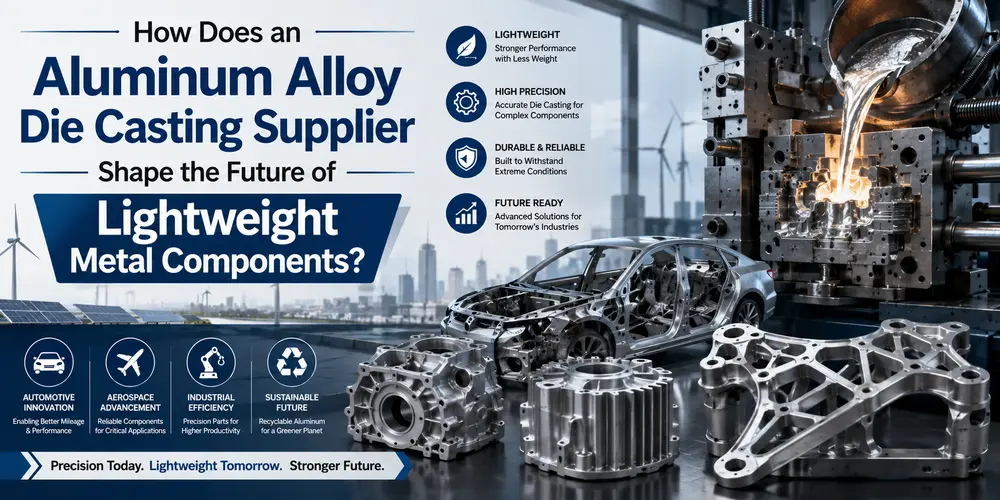
3. Capability Beyond One Metal: Aluminum Alloy Die Casting Manufacturer
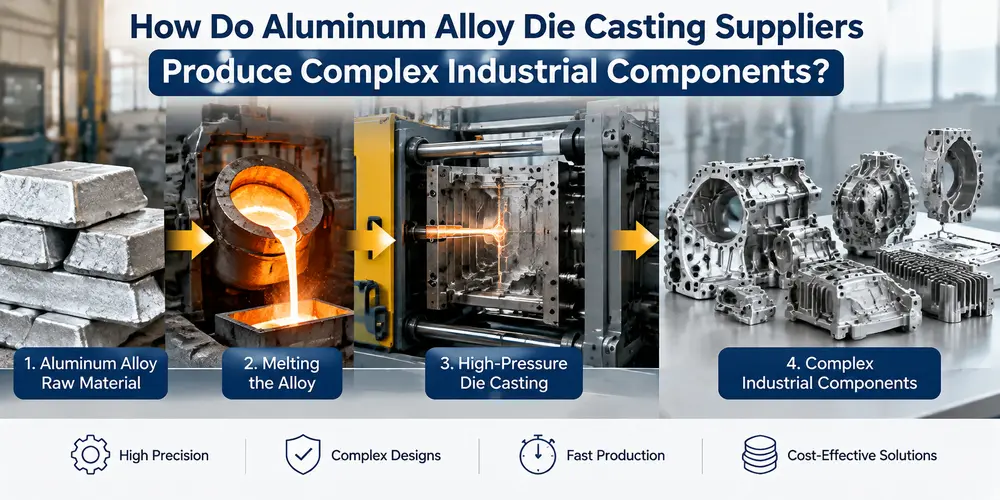
A number of custom projects take a 90 degree turn. A component that is initially developed for magnesium can be subsequently engineered to use aluminum because of lower cost, or usage of both metals can be required for a single product. That is why it is important to work with an Aluminum Alloy Die Casting Manufacturer that has the ability to work with magnesium as well. An honest supplier has both skills. Magnesium is more weight saving, and aluminium can be more economical in material costs and recyclable. Having one company that is doing both, that's a fair comparison as opposed to having a sales push for just one. It also means that you have one quality system and one contact person.
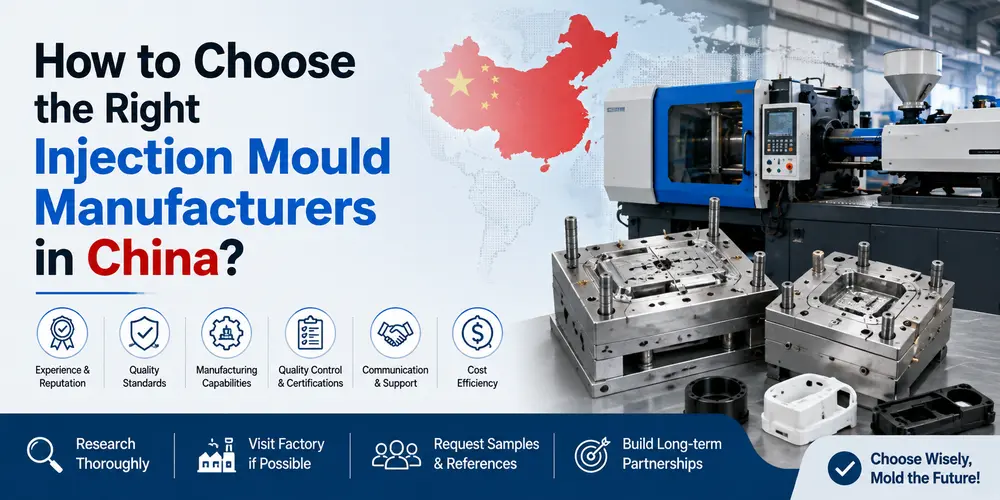
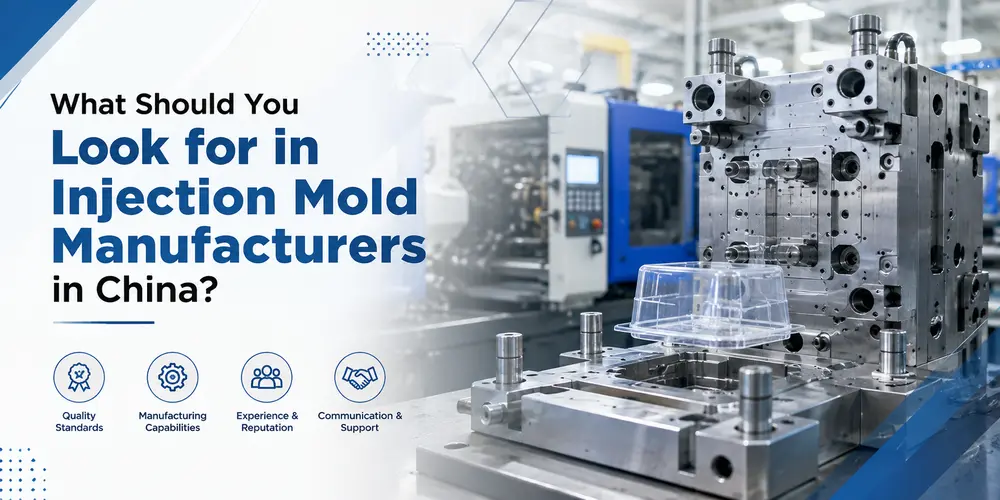
4. In-House Tooling: Injection Mold Supplier in China
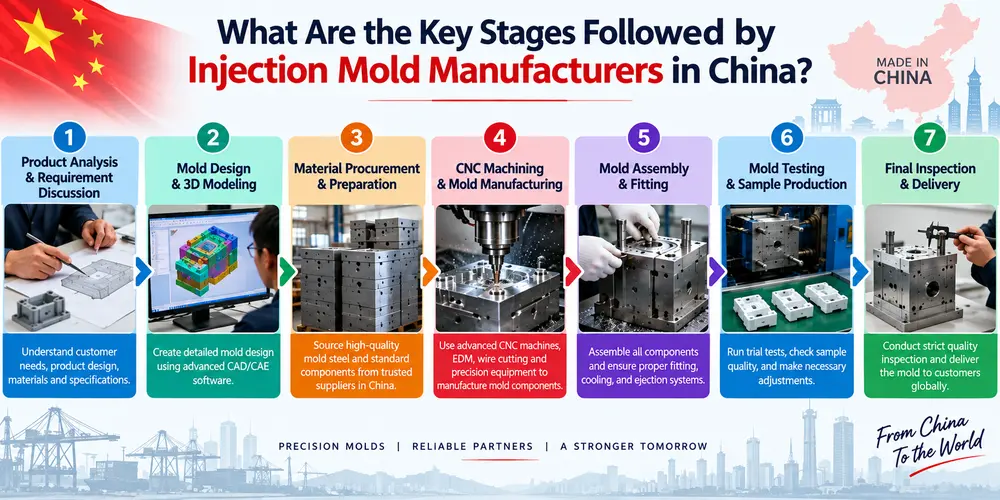
The most important component of a die casting project is tooling. The quality of the part, cycle time and long-term cost per part are determined by the mold. Relying on external mold shops may lead to delays and misunderstandings. Therefore, it is beneficial to select a partner that is also a trusted Injection Mold Supplier in China. Using in-house mould design and manufacture you get:
- Faster mold modifications
- Better control over tolerances
- Faster design to first sample cycle times
- Easier maintenance and repair during mass production
Inquire about the grade of mold steel, Mold Life and the number of shots a mold can shoot before refurbishment. These answers provide a glimpse into the supplier's commitment to quality over time.
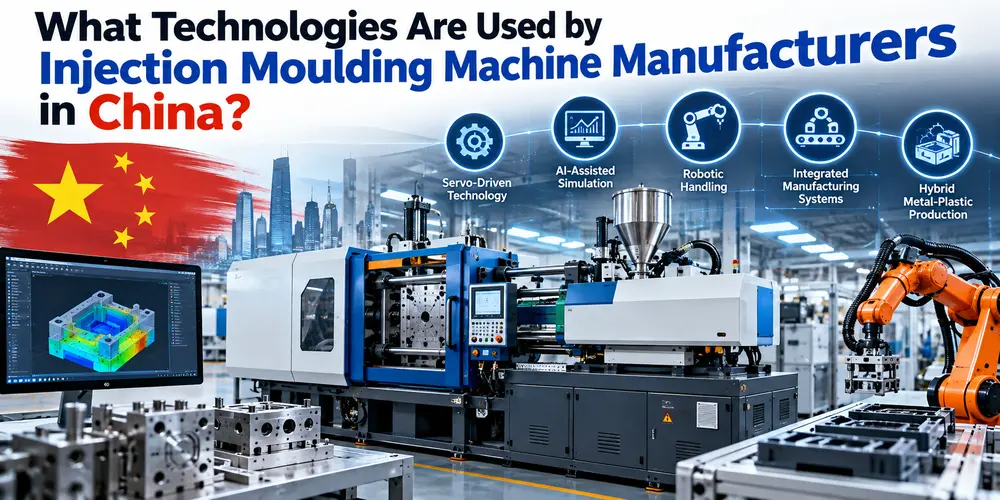
5. Production Equipment and Machine Know-How: Injection Moulding Machine Exporter in China
Inconsistencies are influenced by the machines employed in production. Well maintained equipment, stable temperature control and automation is required in modern die casting. A supplier who is also an injection moulding machine Exporter in China will likely have a high level understanding of the technical aspects of machinery, spares and global shipping standards. This background is handy for custom pieces. It demonstrates that the company has an understanding of export documentation, packaging for long haul transportation and the expectations of overseas buyers. It also implies that if the orders are increasing, they can also scale production.
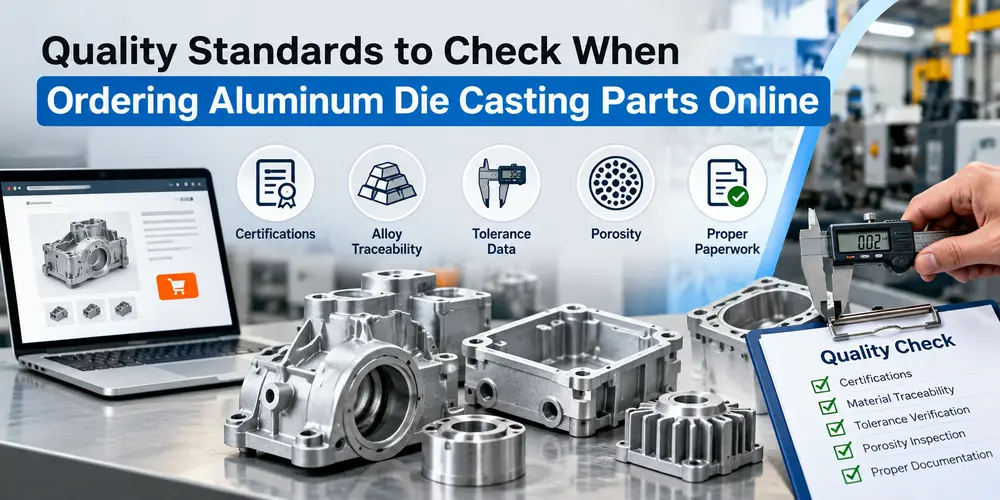
6. Quality Control and Certifications
Quality checks are not optional when making magnesium parts for use in safety related or highly visible products. A good supplier will provide:
- ISO 9001 or IATF 16949 certification
- Ensure a proper inspection with a coordinate measuring machine (CMM)
- If necessary, X-ray or leak test to verify.
- Test reports of materials for each batch.
- Surface treatment tests include coating thickness, corrosion tests, etc.
Request a copy of an inspection report. A supplier who is proud of their quality system will be happy to provide you with it.
7. Surface Finishing and Secondary Services
Typically, raw magnesium castings require finishing. The treatments of chemical conversion coating, powder coating or painting are important because magnesium may corrode. There are also many custom projects that require CNC machining, deburring, assembly, or testing. A supplier that provides these services together eliminates handling and shipping expenses and delays. It also ensures that responsibility is clear. Should issues arise, you know who to contact.
8. Clear Communication and Flexible Order Sizes
A prototype or small number of projects can be the initial step for custom projects. A good supplier should be okay with the low volume of a trial run and be able to expand to a large production. As much as machinery, good communication is important. Seek instant responses, precise quotations, frequent updates and fluent English communication with international buyers.
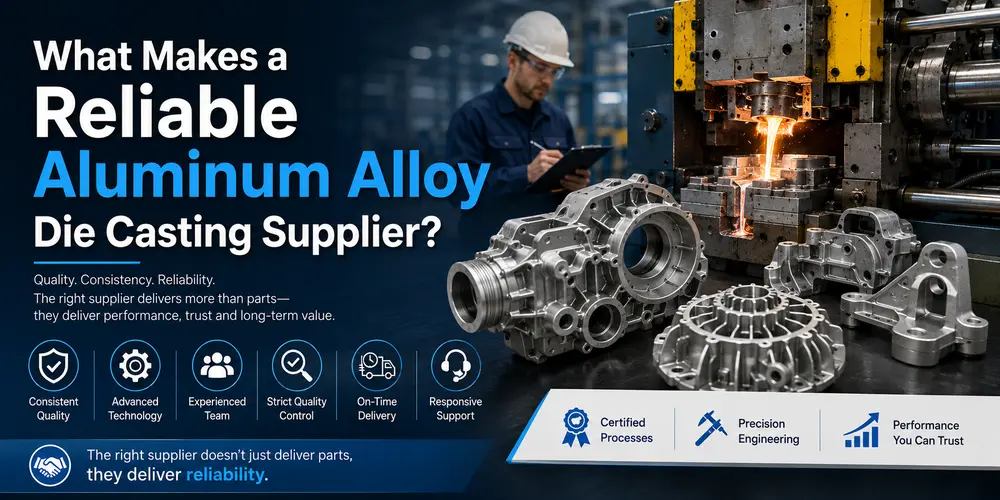
Conclusion: Choosing the Right Magnesium Die Casting Parts Supplier
A perfect, tailored-to-the-project Magnesium Die Casting Parts Supplier features a combination of material knowledge, engineering assistance, in-house tooling, quality control, and flexible production. Look at their magnesium and aluminum experience, their mold making skills, their background in machinery, and finishing. Having a partner with casting, mould and machine capabilities, like xiongzhigroup.com, can help minimize your risk and make your supply chain easier. Shop around, order samples, and have in-depth questions. The harder you work now, the better parts and a smoother project you will have.
FAQs
1. Why is magnesium used in custom die cast parts?
Magnesium has a high specific strength, a high vibration absorption and is very light. It is best suited for products that need to be lightweight.
2. So, is die casting magnesium more costly than aluminum die casting?
The magnesium material is more expensive per kilogram, however, in many projects the density of magnesium material and the rapid cycle times is able to offset the cost of the material.
3. What is the usual lead time of a custom project?
Typically, it takes several weeks to produce molds and weeks longer for the samples to be approved. This will vary according to part complexity and mold size.
4. Is it possible to order small quantities for testing?
Yes. Many suppliers will provide a prototype or small batch production before transitioning to a full production.
5. How to determine the reliability of a supplier?
Review certificates, request samples, look at previous work and ask for references from other customers.
6. Is magnesium very easily corroded?
Magnesium is susceptible to corrosion in moist or saline environments, but suitable surface treatments and coatings can give good protection.
7. Is one supplier capable of managing both molds and die casting?
Yes. The selection of supplier that has in-house tooling tends to result in quicker changeovers and greater quality control.
8. Which files do you want to send for a quotation?
Provide 3D CAD drawings, 2D drawings with tolerances, material specifications, volume requirements and surface finish specifications (if applicable).