- BaoZhu Str. 8, Economic Development Zone, XianAn District, XianNing City, 437000, Hubei Province, China


 XiongZhiGroup Co., Ltd
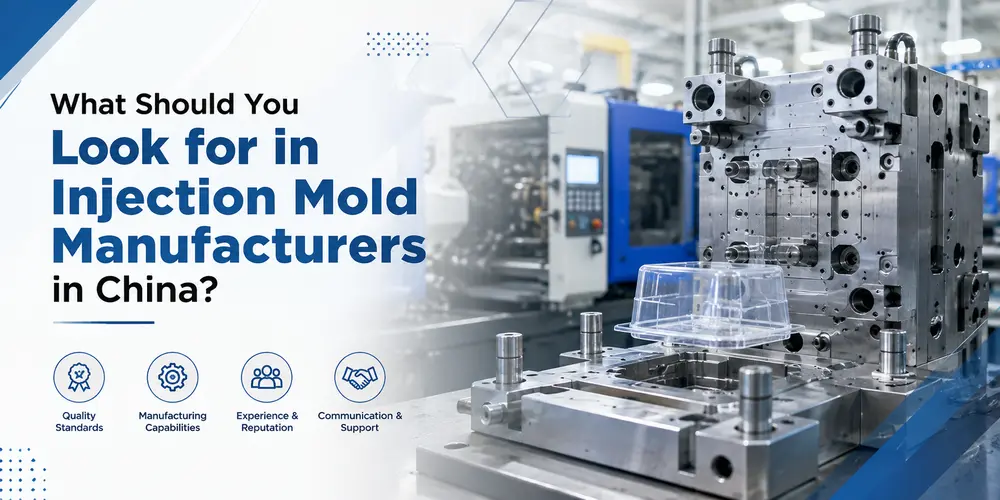
How to Choose the Right Injection Mould Manufacturers in China?
27
Aug 2026
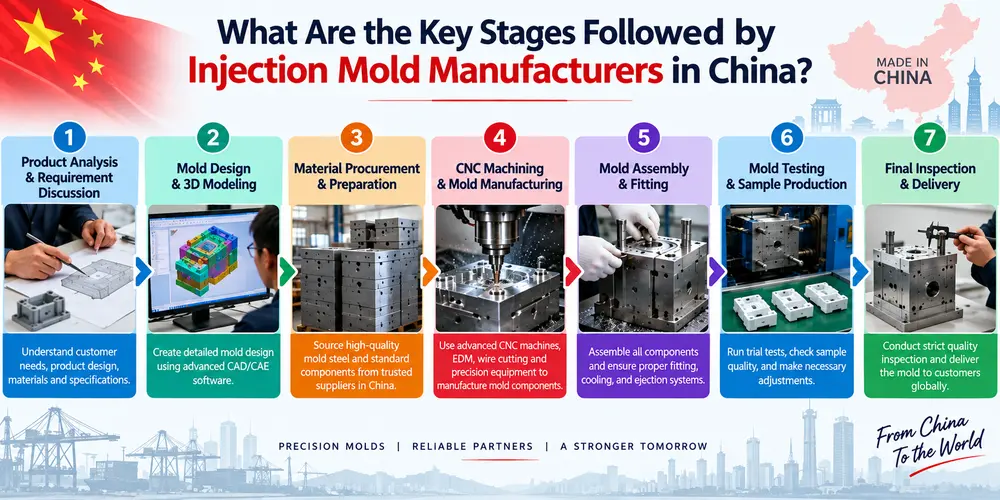
China is basically becoming the world’s go to “factory spine” for both plastic, and metal parts, so picking a partner really can make or break how your product rollout goes. Whether you’re a new brand chasing your first prototype, or you’re already scaling up production, finding dependable Injection Mould Manufacturers in China ends up being one of those decisions you don’t want to guess on. The whole market is huge, competitive, full of options, but honestly not every shop brings the quality, the communication, and that boring-but-important consistency your project needs. This walkthrough is meant to show you what to check, so you can source with more confidence and avoid the usual expensive detours.
Why the Right Manufacturer Actually Matters
Your mold is kind of the base layer of everything that happens after. If the mould is made poorly, you’ll see inconsistent parts, wasted material, delays in production, and then later rework that costs extra time and money. But if you work with experienced Injection Mould Suppliers in China, you’re more likely to get precise tooling, quicker turnaround, and better long-term cost control. Since molds are a big upfront investment, getting it right the first time helps protect both your budget and your timeline, not just one of them.
How to Choose the Right Injection Mould Manufacturers in China
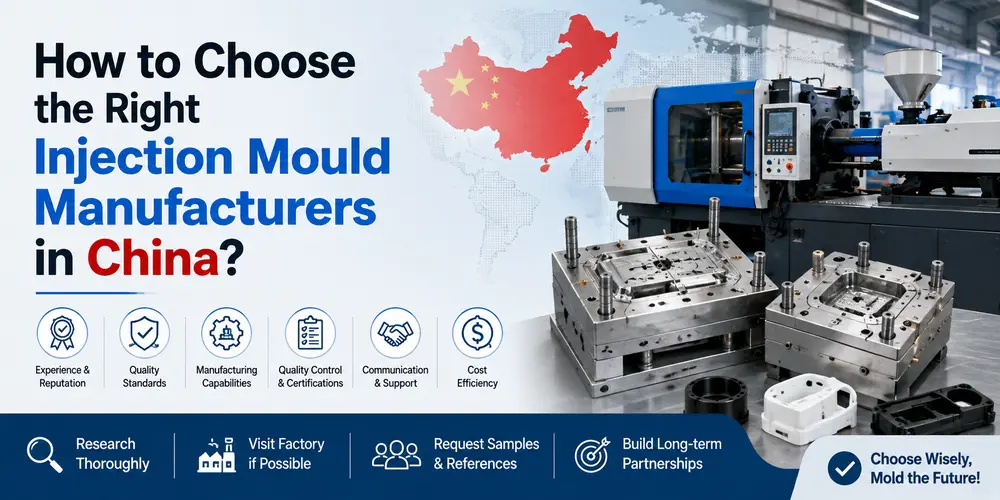
1. Confirm Experience, and Make Sure They’re Built for Your Type of Mould
Not all factories can handle every mold style. Some are strong in high-cavity molds for consumer products, while others are more suited to tricky automotive, or medical grade parts. When you’re looking at Injection Mould Distributors in China, ask them how many years they’ve been operating, what industries they normally serve, and request examples from past projects that look like yours. A factory that already did your product category before will usually understand tolerances, material behavior, and those design-for-manufacturability details much faster than a “general” shop.
2. Look at Certifications and Their Quality System (Not Just Marketing)
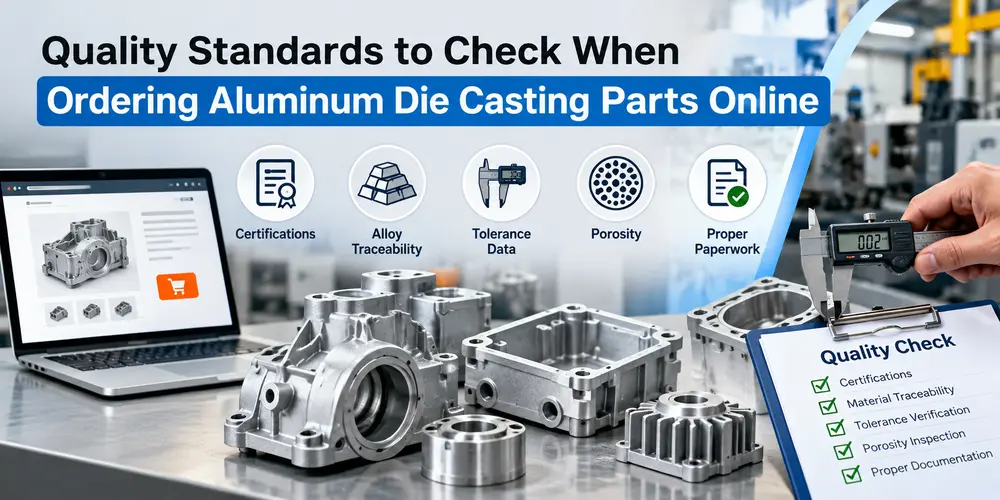
Solid manufacturers often have certifications like ISO 9001, IATF 16949 (especially for automotive), or ISO 13485 for medical devices. That’s usually proof of a real quality management system, not just good intentions. Ask for their quality control paperwork, inspection records, and their method for dealing with defects. If they can’t provide documents, that’s a red flag even if their pricing looks sharp at first glance.
3. Evaluate Equipment, and Their Real Technical Capability
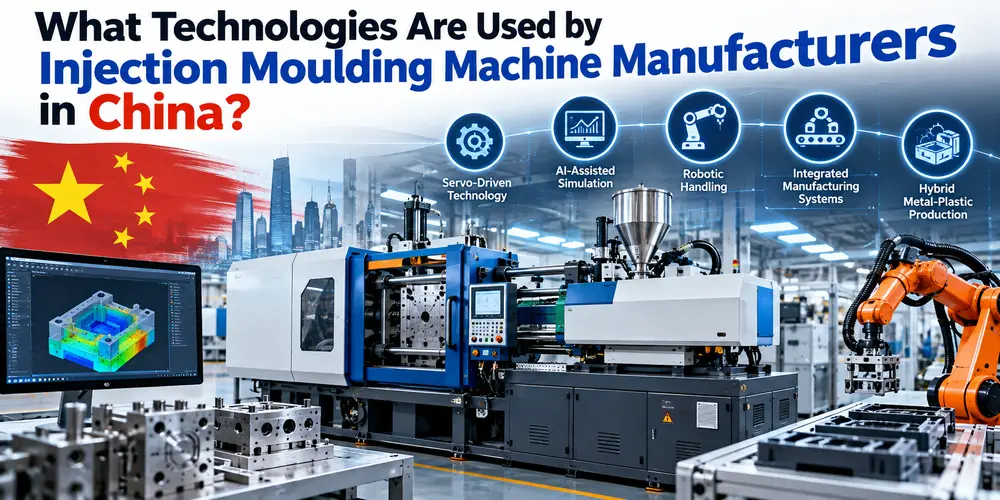
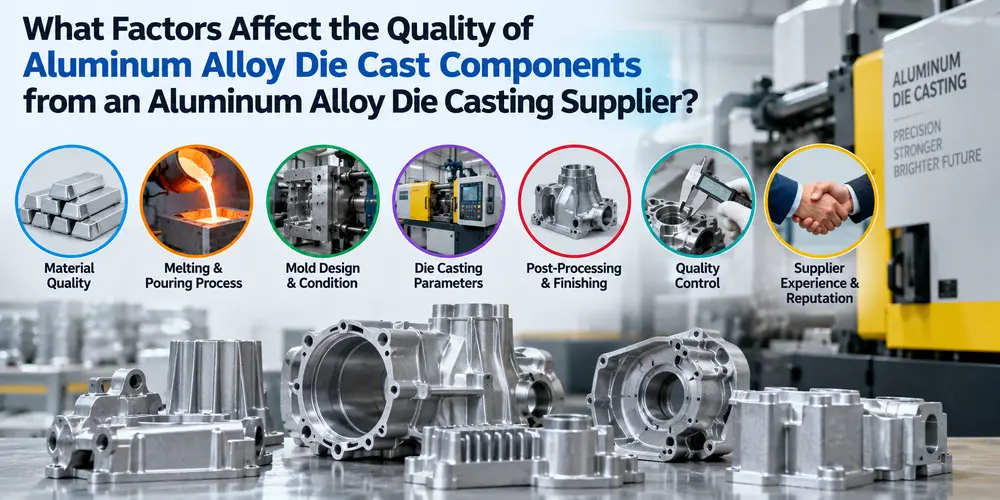
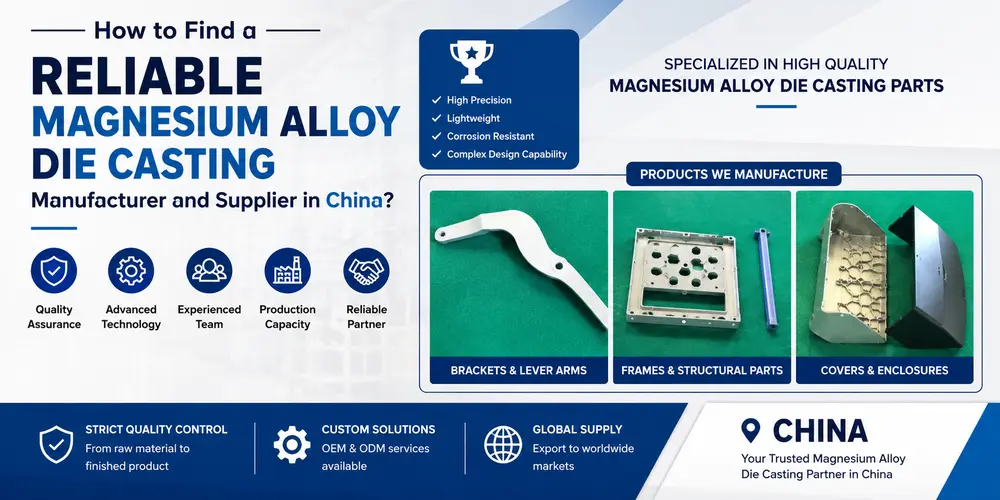
CNC machining centers, EDM equipment, and CMM inspection gear are not “nice to have,” they directly influence mould accuracy and how long the tool lasts. If you can tour the facility, or even do a virtual walk through, pay attention to the age and condition of their machines. Factories that keep investing in newer equipment are often more serious about long-term quality, and they tend to handle tighter tolerances better as your design evolves. Also, many of the same industrial areas that host top mould makers also house a dependable Magnesium Alloy Die Casting Manufacturer and Supplier in China, which can be useful if your product later needs lighter metal components.
4. Communication and Engineering Support
Overseas sourcing comes with language barriers and time differences, so clear communication matters a lot. The best partners typically assign a dedicated engineer or project manager. They should review your DFM (Design for Manufacturability) reports, identify likely issues early, and reply quickly when questions come up. If the supplier is slow, or answers are unclear during the quoting stage, that’s often a preview of how production problems will be handled later.
5. Compare Pricing Clearly- Don’t Fixate on the Cheapest Number
When you’re ready to Buy Injection Moulds in China, don’t pick only because the quote is lowest. Request itemized pricing that separates mould base cost, steel type, cavity count, EDM work, and estimated cycle time. With that detail you can compare suppliers more fairly, and you’re less likely to get hit by “surprise” expenses later, like unplanned tooling changes, or rush-related fees.
6. Ask About Mould Steel, and the Expected Lifespan
The steel choice impacts how many shots your mould can produce before wear starts showing up. P20, NAK80, and H13 are commonly used, and each suits different production volumes, and different moulded material types. A reliable Injection Mould Factory in China should recommend steel grades based on your expected order volume, not just default to the cheapest option which might fail sooner once you move into high-volume runs.
7. Prefer Vertical Integration and Extra Capabilities
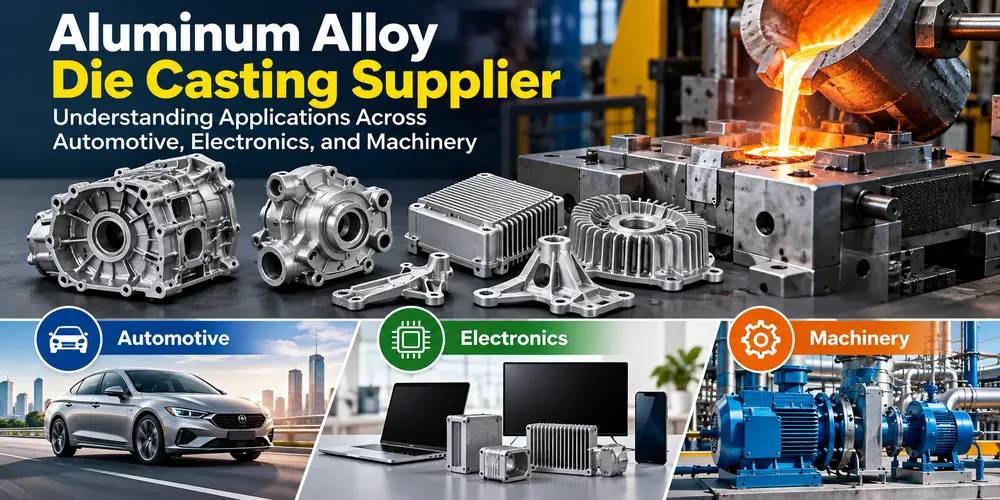
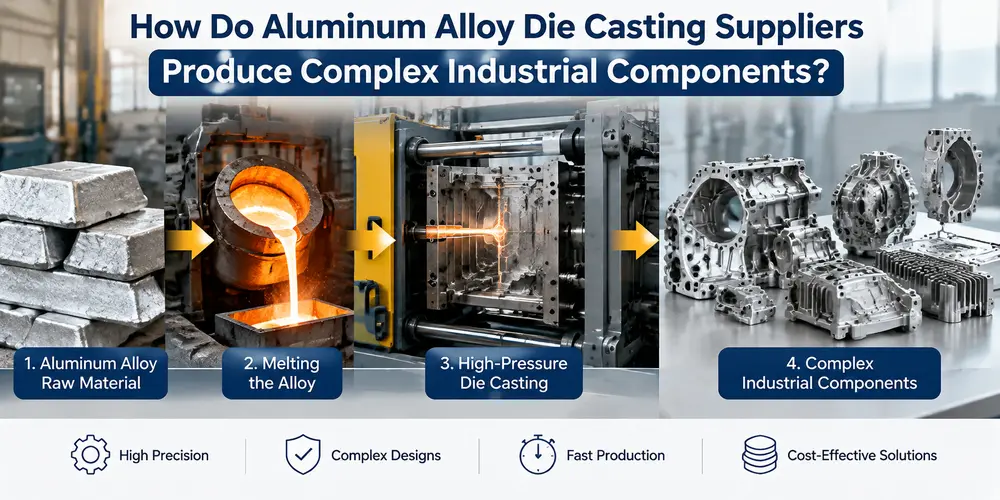
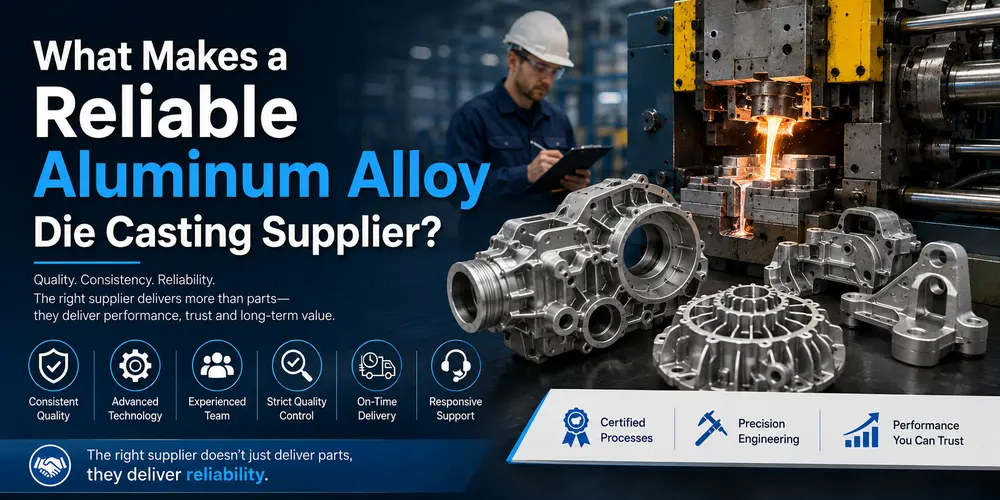
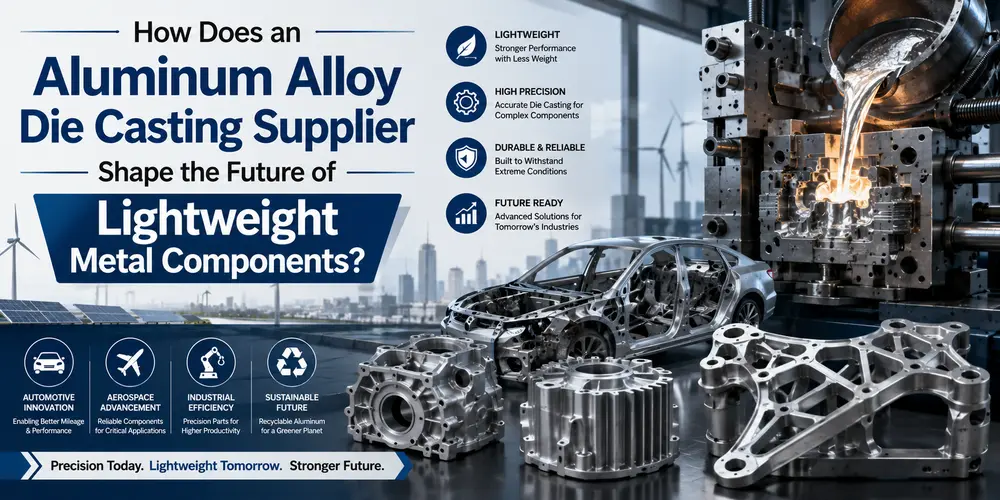
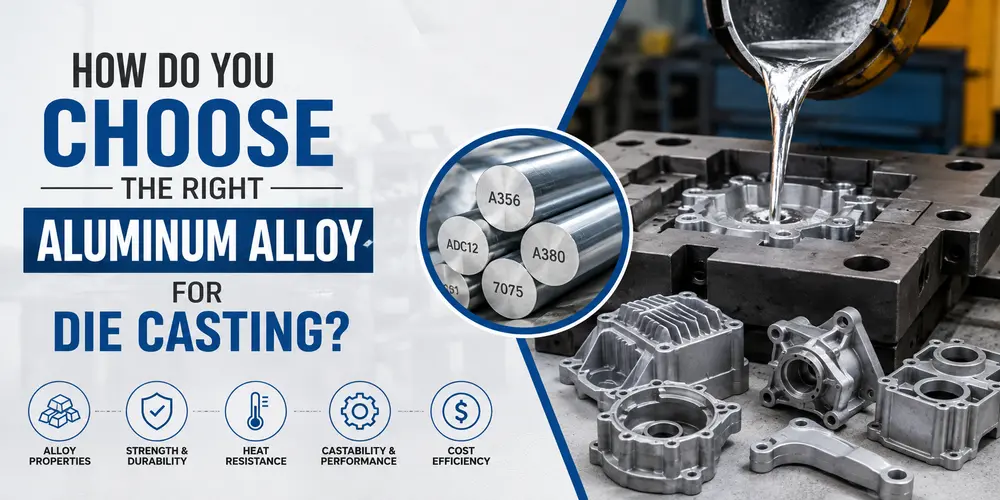
If a supplier offers related services under one roof, it can simplify the whole supply chain. For instance, if your roadmap includes structural metal parts, teaming up with a partner that also works as an Aluminum Alloy Die Casting Supplier can let you consolidate sourcing, reduce logistics headaches, and keep quality standards more stable across both plastic and metal components. Plus, it usually means fewer handoffs, and basically one main point of contact.
Final Thoughts: Best Injection Mould Manufacturers in China
Choosing the right Injection Mould Manufacturers in China takes real effort: research, patience, and the willingness to ask detailed questions before you sign anything. When you vet experience, certifications, equipment, and how well they communicate, you reduce the odds of costly production problems later on. And if your project is also moving toward metal components, it helps to connect with an established Magnesium Alloy Die Casting Manufacturer and Supplier in China early, so your whole sourcing flow stays streamlined. For companies that need a dependable, experienced partner who understands both plastic tooling and metal die casting, xiongzhigroup.com offers integrated manufacturing solutions built to support your project from prototype all the way to full scale production.
Frequently Asked Questions
1. How long does it take to make an injection mould in China?
Most of the time it takes something like 3 to 6 weeks, yet it depends a lot on the mould’s complexity, the number of cavities it needs, and basically how busy the factory is during that time period
2. What’s the typical injection mould lifespan?
If it’s built in a good way, a steel mould can go from around 100,000 shots up to over 1 million, it really varies by the steel grade and how the part is designed
3. Do I have to visit the factory in person before I order?
No, not exactly. It’s more like it’s recommended. Usually, a video call tour or a third-party inspection audit is suggested, especially if you are placing an order the first time
4. Can Chinese manufacturers handle small quantity production runs?
Yes, many suppliers can run low-volume quantities, but the per-unit cost might end up higher compared to larger batch orders
5. What should I send to get an accurate mould quote?
You should provide 3D CAD files, clear material specifications, the expected annual volume, plus any surface finish suggestions or tolerance expectations
6. Is it safe to pay a deposit before production starts?
Paying a deposit is normal. A 30-50% deposit is fairly typical, and the rest is usually paid before shipment, after the sample approval is confirmed
7. Can one supplier do both plastic moulds and metal die casting?
Often, yes. A lot of integrated manufacturers do both injection moulding and die casting, so multi-material projects can feel simpler to manage
8. How can I protect my product design when I source overseas?
You can use NDAs and NNN-style agreements (in line with Chinese legal practice) and only work with factories that have verifiable business licenses, so you can reduce the risk quite a bit.