- BaoZhu Str. 8, Economic Development Zone, XianAn District, XianNing City, 437000, Hubei Province, China


 XiongZhiGroup Co., Ltd
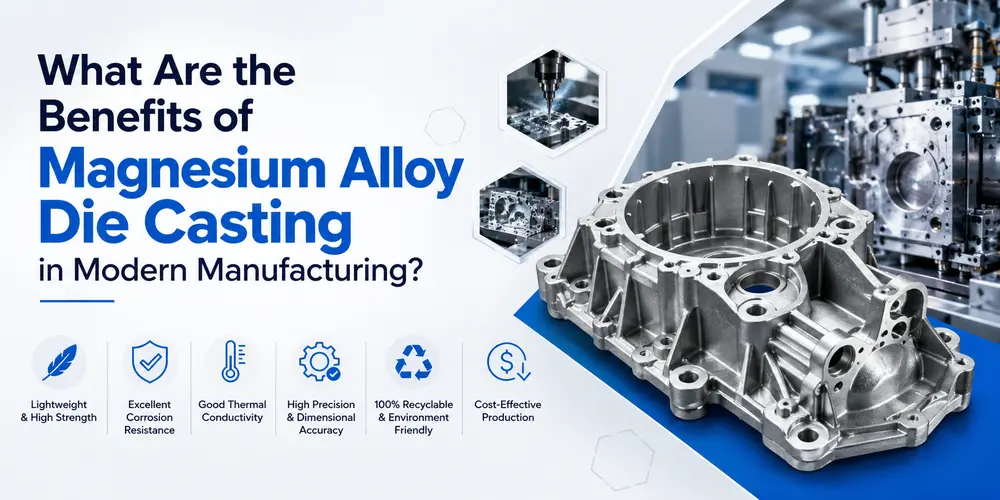
What Are the Benefits of Magnesium Alloy Die Casting in Modern Manufacturing?
13
Jul 2026
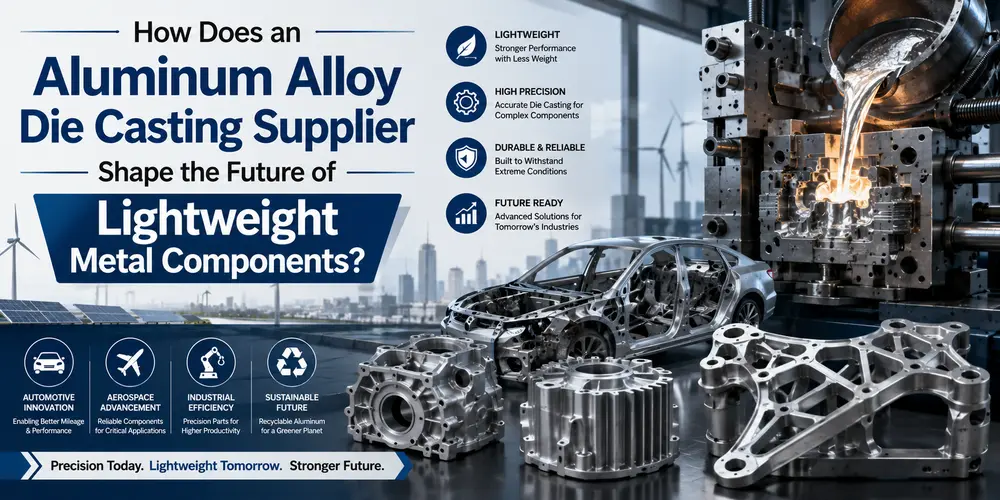
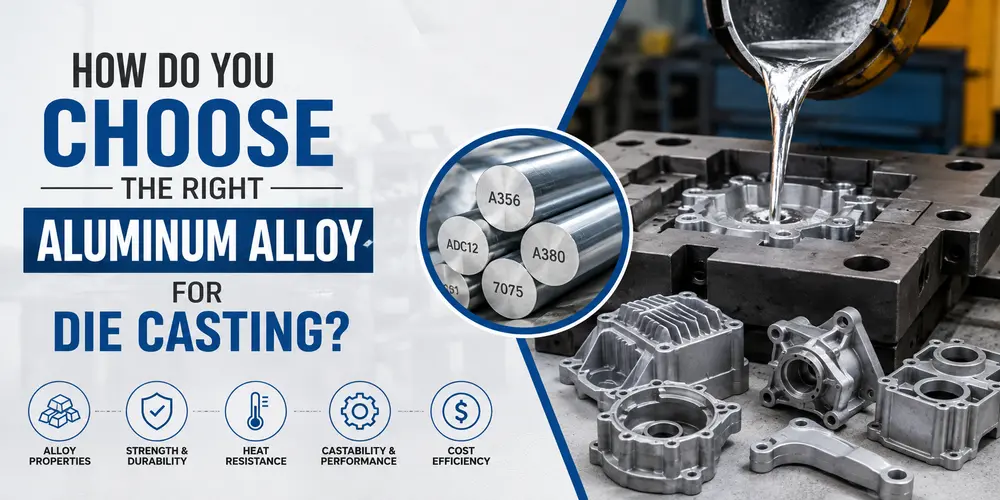
Modern manufacturing is like, constantly pulled between delivering components that are lighter, stronger and still cost-efficient without taking the quality down with it. In that environment magnesium alloy die casting shows up as one of the more dependable answers. When molten magnesium gets injected into precision made molds, manufacturers end up with intricate lightweight parts in big numbers and this approach is widely used in automotive, aerospace, electronics, and industrial equipment. A lot of companies also blend it with Aluminum Die Alloy Casting Manufacturer, so they can stretch across more material options and performance expectations. In this piece, we’ll look at the main benefits of magnesium alloy die casting, why it keeps becoming a preferred option for makers around the globe, and what you should consider when teaming up with a Magnesium Alloy Die Casting Supplier.
Understanding Magnesium Alloy Die Casting
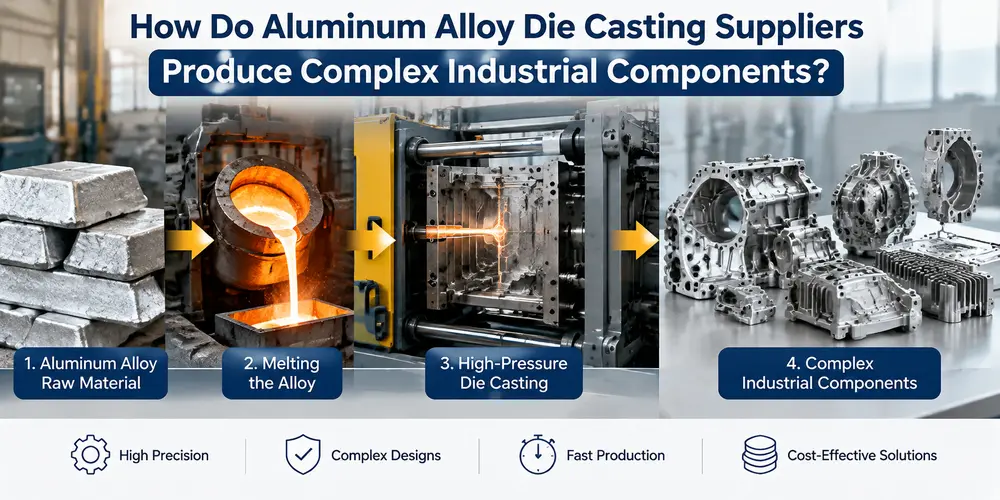
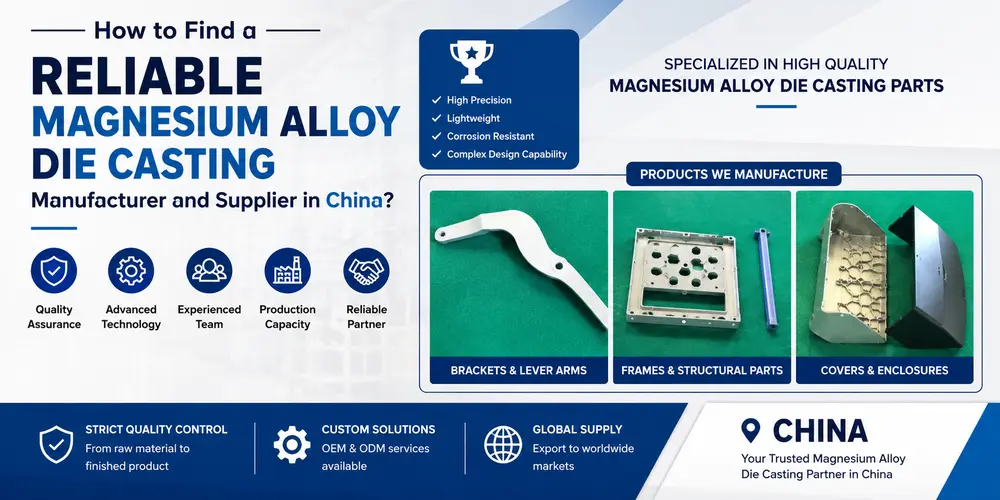
Magnesium alloy die casting is a high-pressure manufacturing method where molten magnesium is pushed into a steel mold cavity using strong pressure. Since magnesium is the lightest structural metal used commercially these days, parts made this way are much lighter than similar aluminum or steel versions while still keeping solid mechanical strength. That mix of low mass and durability is exactly why many teams lean on a trusted Magnesium Die Casting Manufacturer to build everything from automotive housings to casings for consumer electronics.
Key Benefits of Magnesium Alloy Die Casting
1. Exceptional Strength-to-Weight Ratio
Magnesium is around 35% lighter than aluminum and it’s even lighter than steel, yet it still holds impressive load bearing capability. That makes it a good fit for automotive transmission cases, steering components, and aerospace brackets where shaving off grams can really affect fuel efficiency and overall performance.
2. Excellent Dimensional Accuracy
Die casting enables tight tolerances, so components tend to seat properly within assemblies without tons of secondary machining. That cuts scrap and trims production timelines, which is often a reason manufacturers keep returning to an experienced Magnesium Die Casting Company.
3. Cost Efficiency at Scale
Tooling costs can feel a little heavy up front, sure, but die casting cycles are quick and repeatable. For medium to higher production runs, it often becomes cost effective, especially when you partner with a Magnesium Die Casting Exporter that can handle logistics and quality checks smoothly even when orders go cross border.
4. Excellent Machinability
Magnesium can be machined easier and faster compared with many other structural metals. That lowers tool strain and reduces cutting-related expenses, and across high-volume runs the savings can stack up in a very real way.
5. High Recyclability and Sustainability
Magnesium can be recycled multiple times while still maintaining mechanical traits. That supports lower-impact manufacturing, and helps organizations meet tougher environmental expectations that keep tightening year over year.
6. Design Flexibility for Complex Shapes
Die casting handles intricate geometry, thin wall sections, and built in features that can be too expensive or just impractical through other forming routes. For designers, that means more freedom, sometimes even beyond what CAD models fully expected at first pass.
Industries That Get Real Benefits From Magnesium Alloy Die Casting
- Automotive, engine brackets, steering wheel cores, transmission housings, and even seat frames often get lighter, and that usually helps efficiency too.
- Aerospace, structural brackets and housings can reach the strength goal without adding extra mass for the whole assembly.
- Consumer Electronics, laptop shells and camera casings, use magnesium for durability and at the same time they keep the bulk down, which is kind of the whole point.
- Industrial Equipment, power tool housings and machinery components, benefit from that usual sweet spot between strength and weight balance.
- Medical Devices, certain equipment housings may be designed with magnesium in mind—lighter design, and yes also the biocompatibility angle that people pay attention to.
How to Choose the Right Partner for Magnesium Die Casting
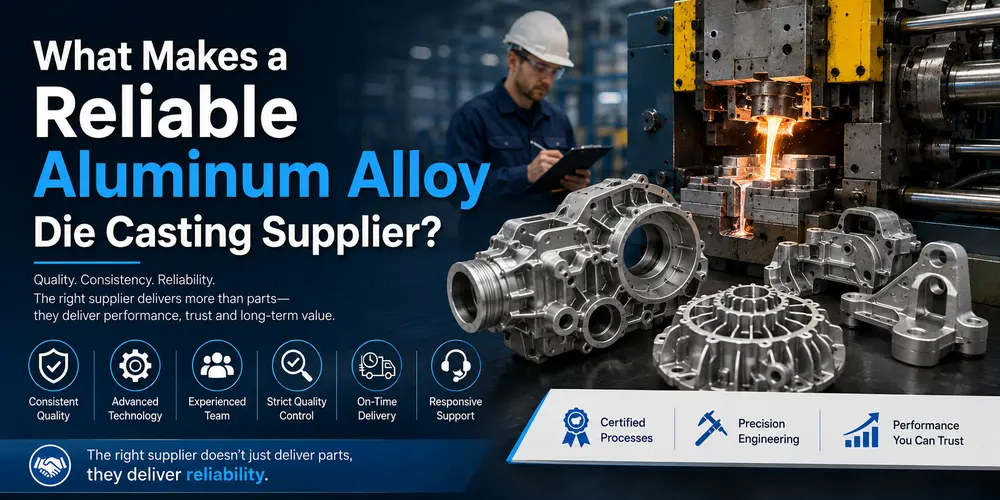
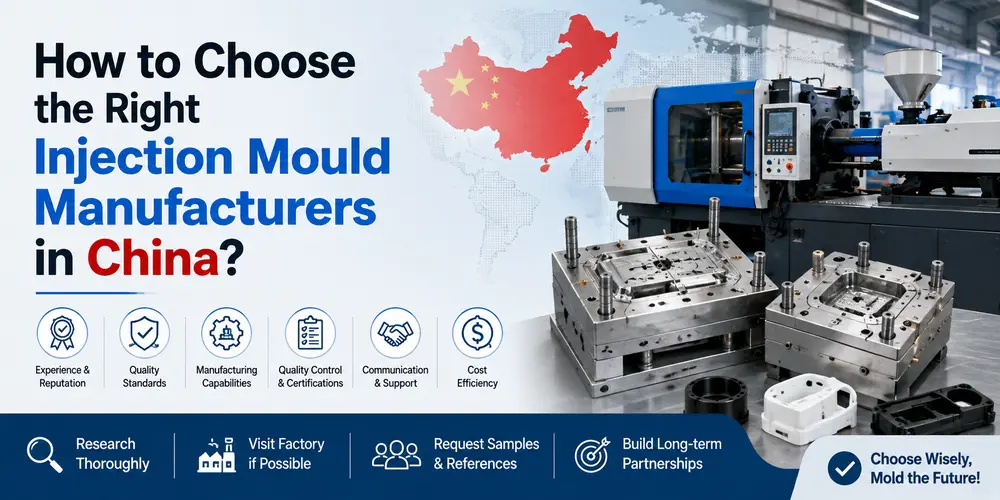
Selecting a manufacturing partner isn’t just a nice to have, it matters as much as picking the material. If you’re evaluating a Magnesium Die Casting Parts Supplier, take a
close look at stuff like this:
- Manufacturing Capability: make sure they actually have the tooling, the correct machines, and that hands-on engineering know-how for how complex your part is. Also confirm production capacity, the number you truly need.
- Quality Certifications: aim for ISO, or other industry certifications, so you can rely on consistent quality control not vibes, actual process.
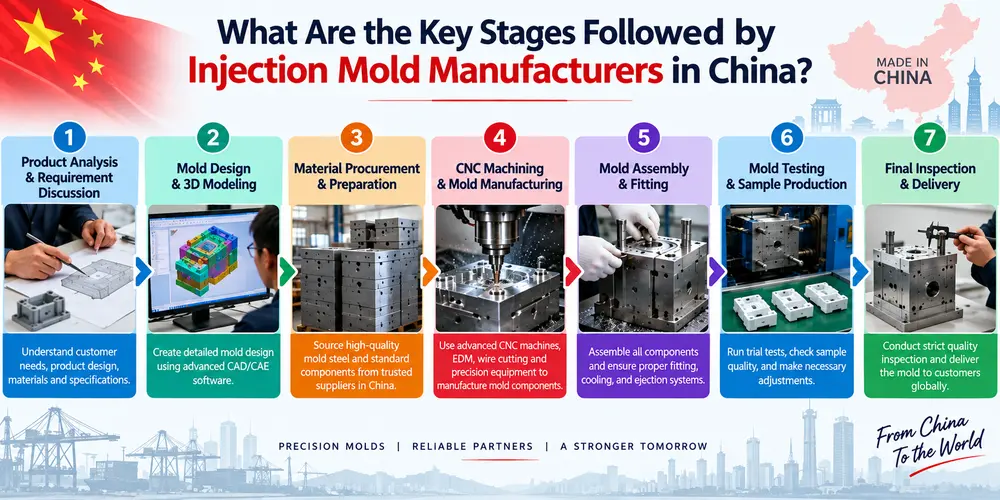
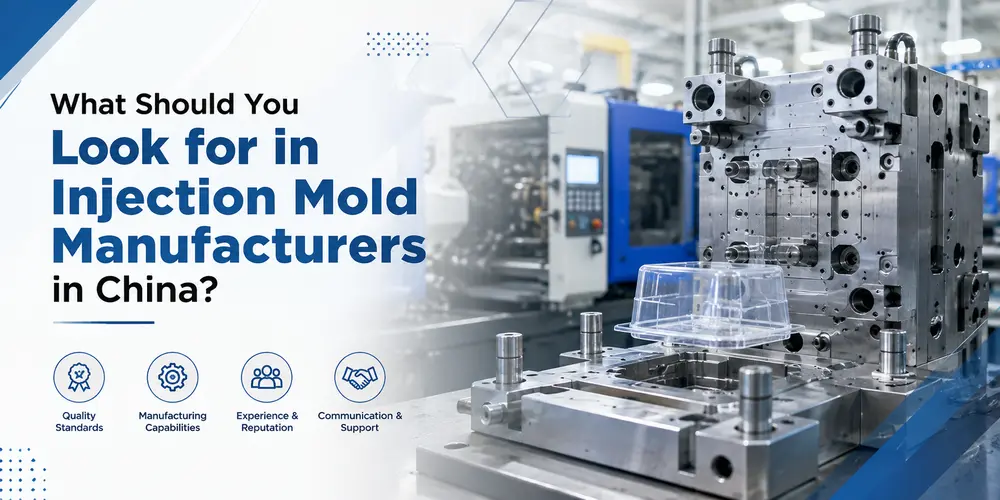
- Mold and Tooling Support: working with a Mould Supplier in China can sometimes shrink lead times and reduce tooling costs, particularly if international manufacturers are ramping up.
- Post-Processing Services: surface treatments, machining, and finishing should ideally be handled internally. That helps the workflow stay smooth, and it avoids a bunch of extra handoffs across teams, which tends to slow things down.
- Export and Logistics Experience: if you’re sourcing globally, ensure the supplier understands customs shipping, compliance obligations, and the usual documentation steps too.
Final Thoughts
Magnesium alloy die casting keeps proving itself as one of the more efficient, lightweight, and sustainability-oriented manufacturing paths available today. From automotive to aerospace to consumer electronics, its blend of strength, precision, and recyclability makes it an easy sell for teams that want to stay competitive. Whether you’re hunting for a dependable magnesium supplier, or exploring adjacent choices such as aluminum alloy casting, working with an experienced partner really does change the outcome—both for product quality and for time to market. For organizations looking for a trusted manufacturing partner supporting magnesium and aluminum die casting solutions, xiongzhigroup.com provides the know-how, tooling capability, and export experience needed to bring precise components to life.
Frequently Asked Questions (FAQs)
1. What is magnesium alloy die casting used for?
Usually, it is used to make lightweight, high-strength components for automotive, aerospace, electronics, and industrial equipment sectors too, so people like it when weight matters.
2. Is magnesium die casting more expensive than aluminum die casting?
At first the tooling expenses can look pretty much the same, but magnesium’s machinability and those weight savings usually offset the overall costs during high-volume production runs.
3. How strong is magnesium compared to other metals used in die casting?
Magnesium delivers a strong strength-to-weight ratio, so it can be strong enough for structural or load-bearing components, even if it is far lighter than steel or aluminum.
4. Can magnesium die-cast parts be recycled?
Yes, magnesium is quite recyclable and it can be reprocessed again with only minor loss in mechanical properties so it ends up being a more sustainable option for making products.
5. What industries benefit most from magnesium die casting?
Automotive, aerospace, consumer electronics, medical devices, and also industrial equipment, these are typically where the biggest advantage shows up because of weight reduction needs, and durability requirements.
6. How do I choose a reliable magnesium die casting supplier?
Look at their manufacturing capacity, quality credentials, and the tooling plus mold support they can provide. Also ask about post-processing services and whether they have real, proven experience with export work too.
7. Does magnesium die casting support complex part designs?
Yes, it can, it supports intricate shapes, thin walls, and tight tolerances which are kind of hard to achieve with traditional machining, in general.
8. Is magnesium die casting suitable for both small and large production volumes?
It’s often the best value for medium to high volumes because of the tooling investment, but many suppliers can still manage smaller prototype and pilot runs, especially when the design is already well defined.