- BaoZhu Str. 8, Economic Development Zone, XianAn District, XianNing City, 437000, Hubei Province, China


 XiongZhiGroup Co., Ltd
What Is the Future of Magnesium Die Casting Company in Precision Manufacturing?
26
Oct 2026
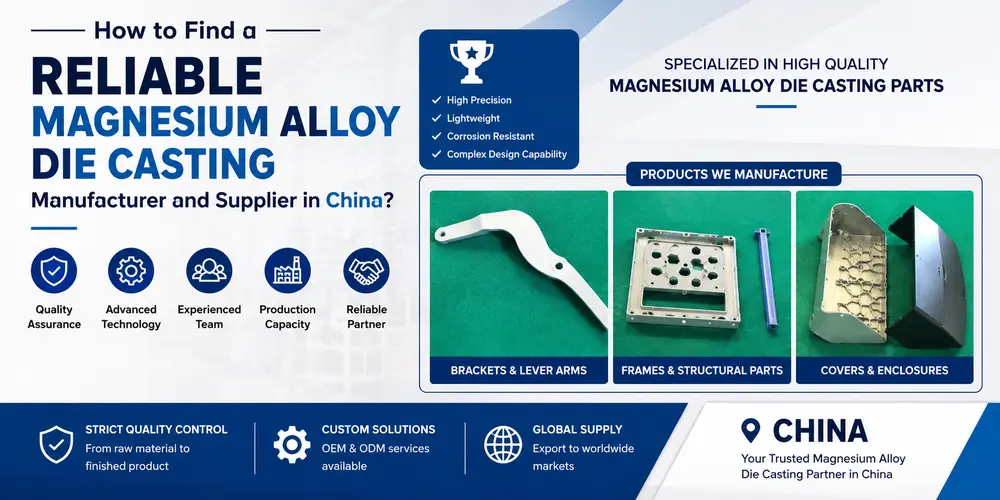
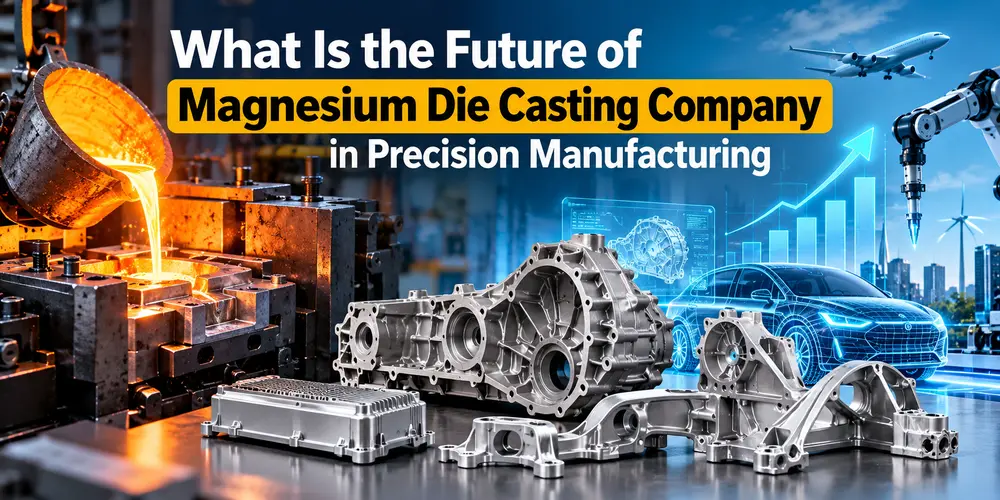
Precision manufacturing is moving really fast. You know, industries from automotive to electronics are asking for parts that are lighter, more rigid, and way more accurate than before. And this is where that Magnesium Die Casting company model starts showing up more often. Like, xiongzhigroup.com, which is positioned as a leading Magnesium Alloy Die Casting company in China, is offering precision magnesium die casting services, basically turning molten metal into those complicated thin-walled components with decent dimensional accuracy. Magnesium, by the way, is the lightest structural metal people use today, so when manufacturers want efficiency and lower emissions, magnesium is going to keep getting more attention.
Why Magnesium Is Getting Popular
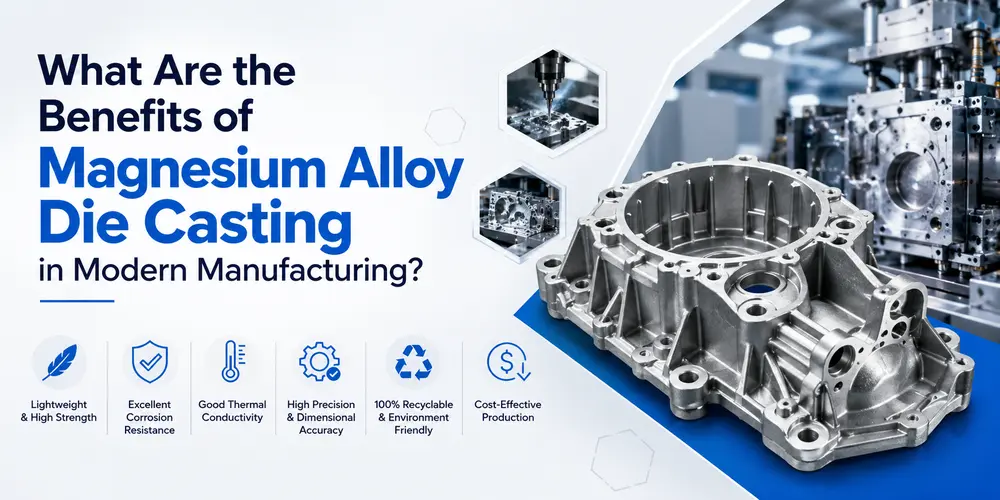
Magnesium is roughly 33% lighter than aluminum and around 75% lighter than steel. It also brings a strong strength-to-weight ratio, good vibration damping, and solid electromagnetic shielding. That stuff makes it a natural fit for laptop housings, camera bodies, automotive steering pieces, plus drone frames. And yeah, electric vehicles play a big part here. When every kilogram counts, saving weight means better battery range, so automakers swap in magnesium where they can. Aerospace and robotics follow the same thinking too, less mass usually equals better performance and lower energy use.
Magnesium and Aluminum Working Together
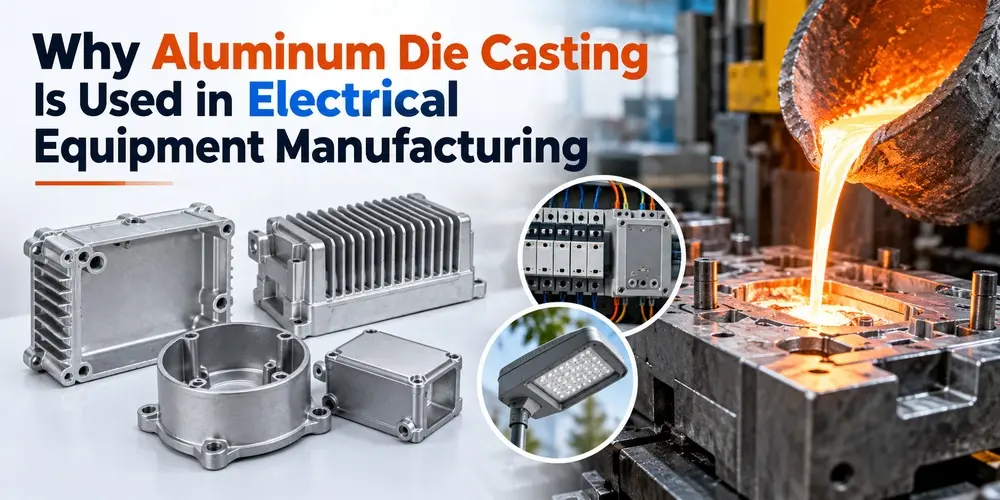
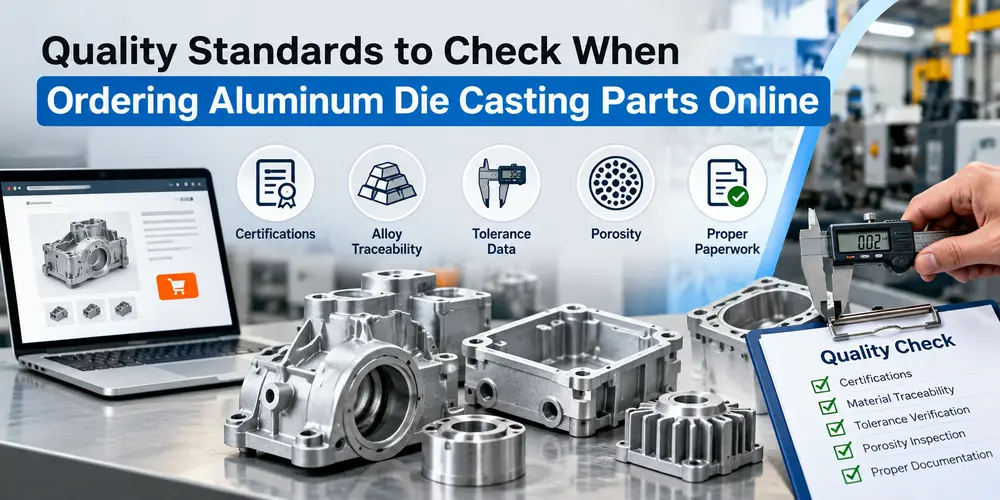
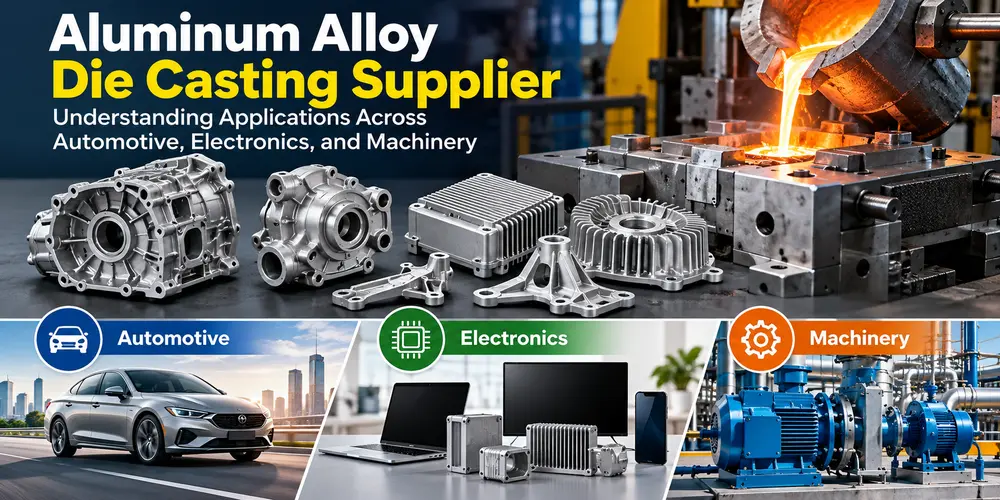
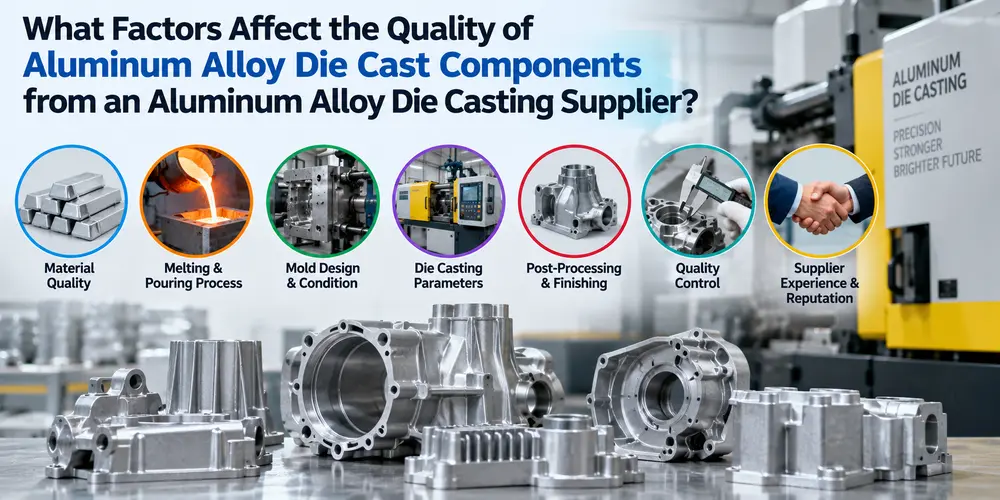
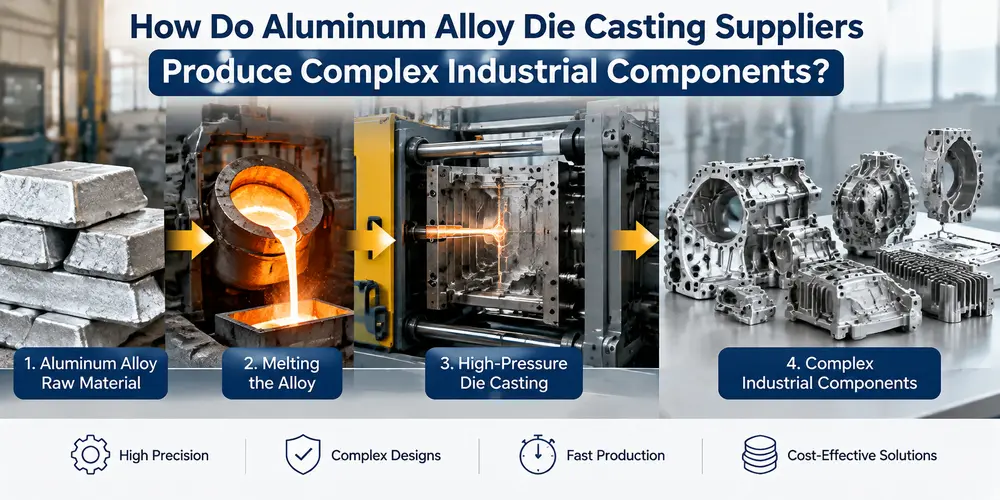
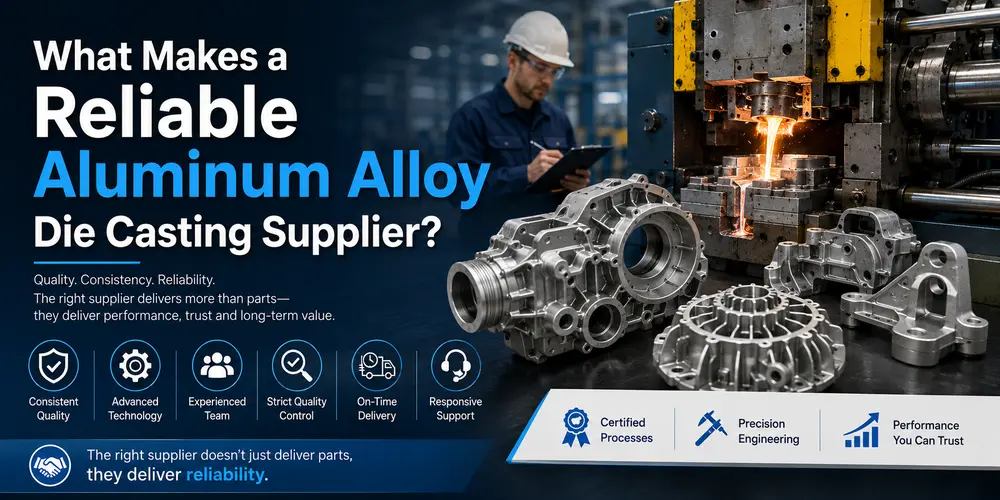
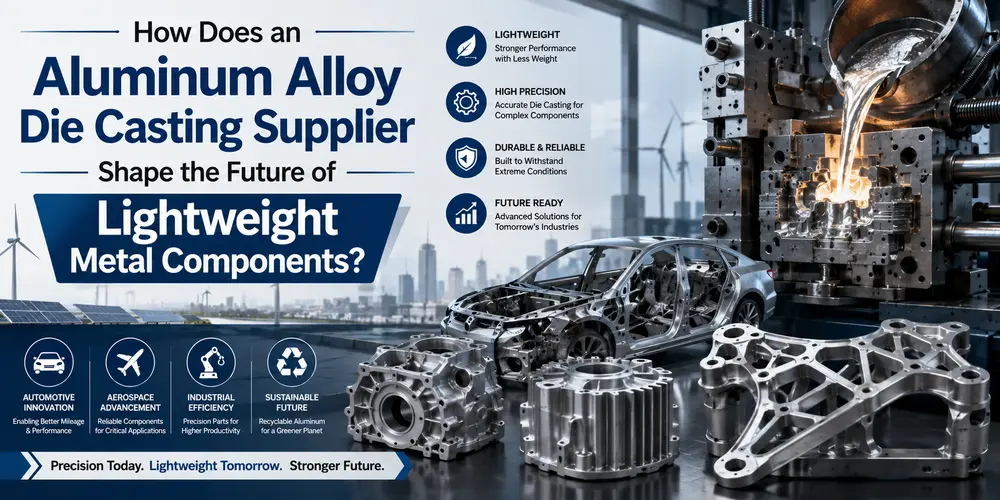
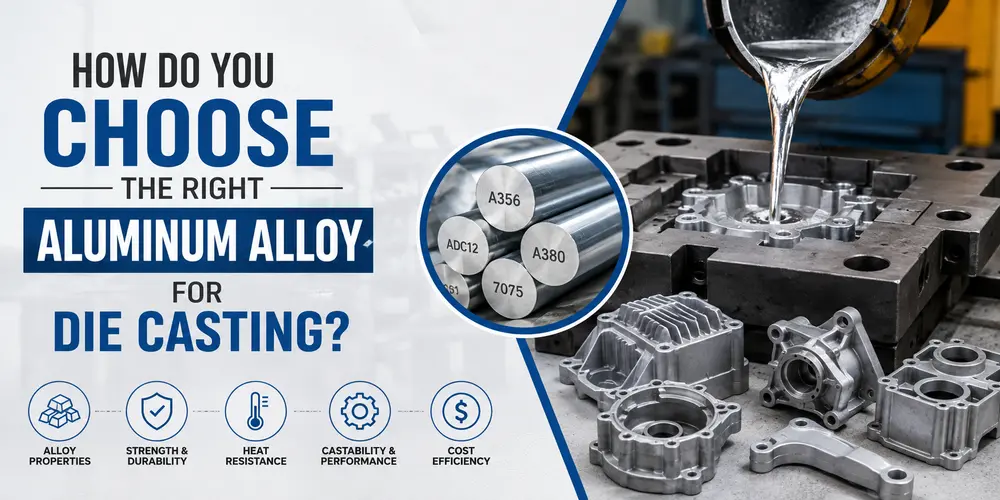
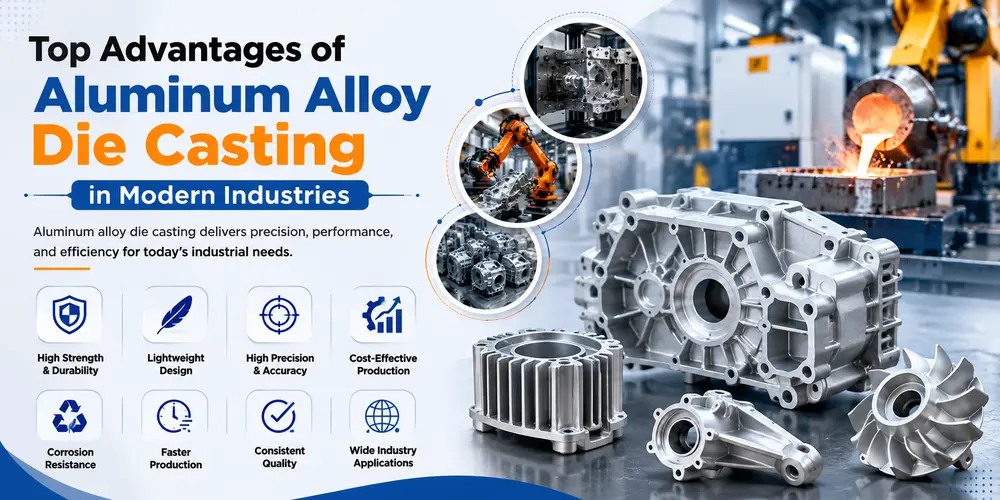
Magnesium isnt “replacing” aluminum, not like that. The two metals work better together, and good suppliers typically cover both. If you look at a reliable Aluminum Alloy Die Casting Manufacturer, they usually know when aluminum’s lower cost, thermal conductivity, and corrosion resistance make it the better choice, and when magnesium’s weight savings are worth paying a bit more. A lot of modern products actually mix them. For example, an electronics enclosure might use magnesium for the outer shell, while aluminum handles heat-dissipating internal frames. When manufacturers can supply both materials under one roof, customers don’t waste time, supply chain headaches drop, and design decisions follow engineering reality, not supplier limits.
Technology Trends Shaping the Future
A few developments are pushing magnesium die casting forward, even if some of them sound like they’ve been coming “soon” for a while:
- Thixomolding and advanced processes reduce porosity and improve mechanical properties, so parts come out denser and more reliable.
- Automation and robotics, like automated spraying, extraction, and trimming, so consistency improves and labor costs can drop.
- Smart monitoring, sensors and data analytics watch temperature, pressure, and cycle times in real time, catching defects before they become scrap.
- Better alloys, new magnesium alloys improve corrosion resistance and heat tolerance, which is opening doors for applications that used to be basically off-limits.
- Sustainability, magnesium is highly recyclable, and cleaner melting plus protective gas technology is lowering the environmental footprint of production.
Overall these advances make magnesium die casting more cost-effective and dependable, and that’s what drives wider adoption across industries.
The Role of Quality Tooling
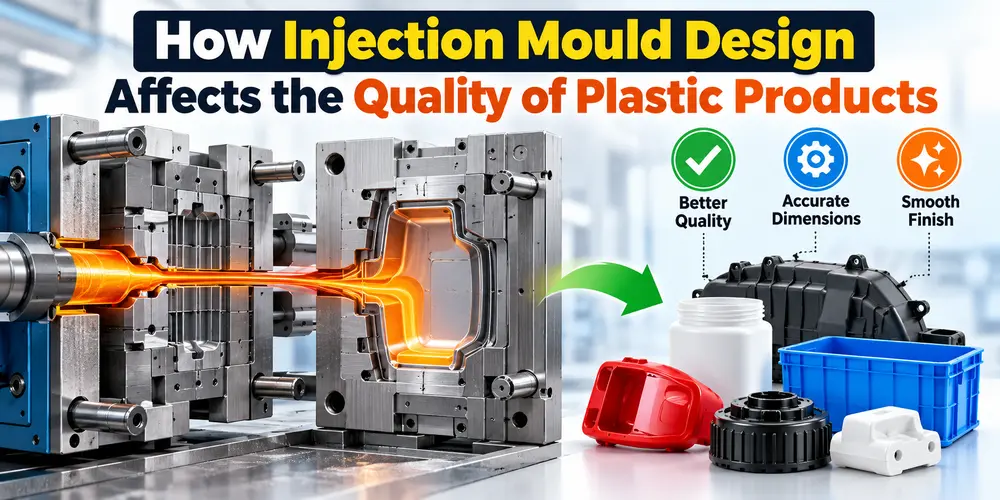
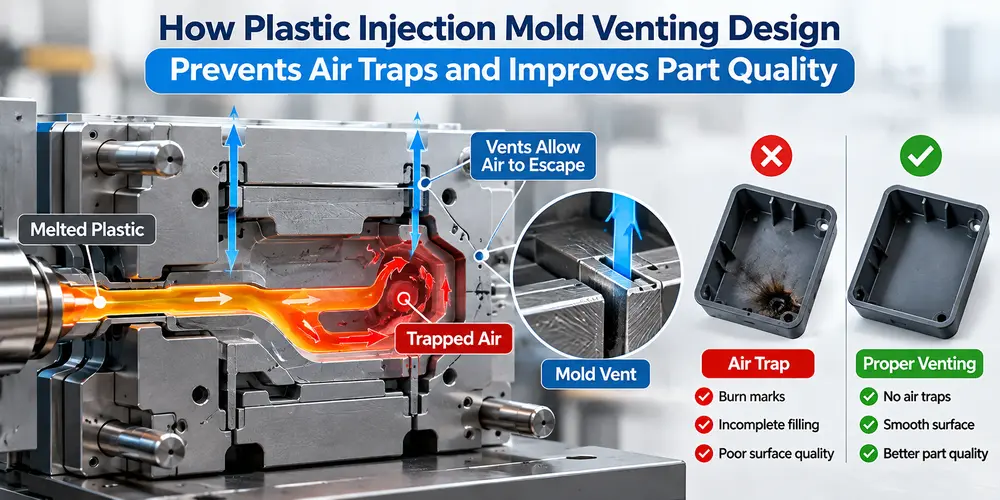
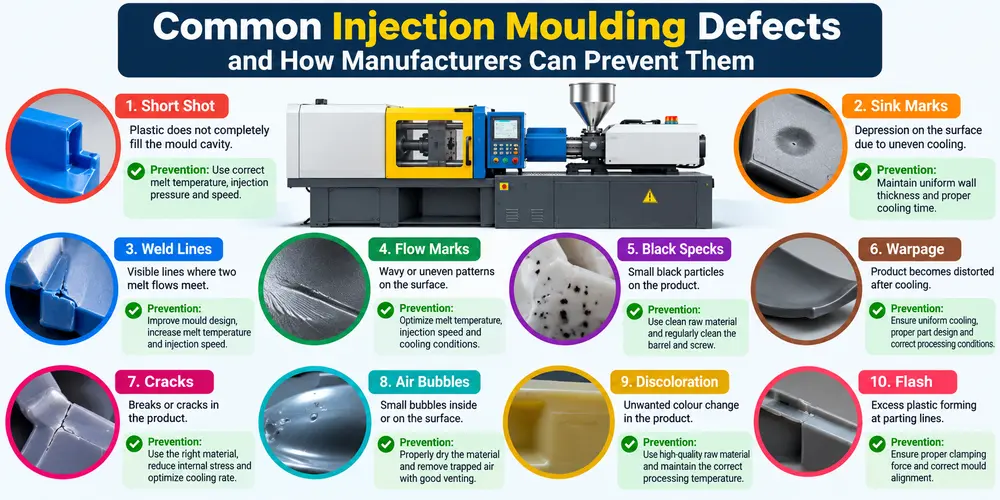
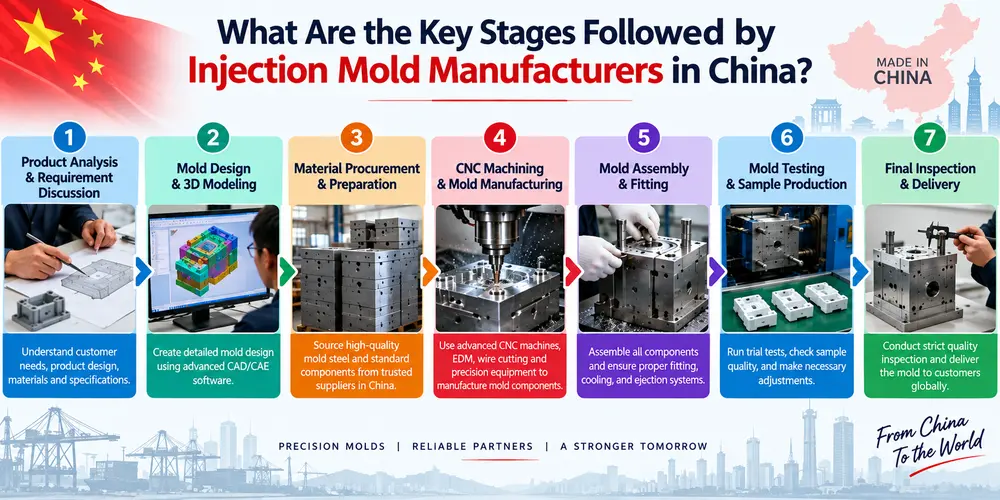
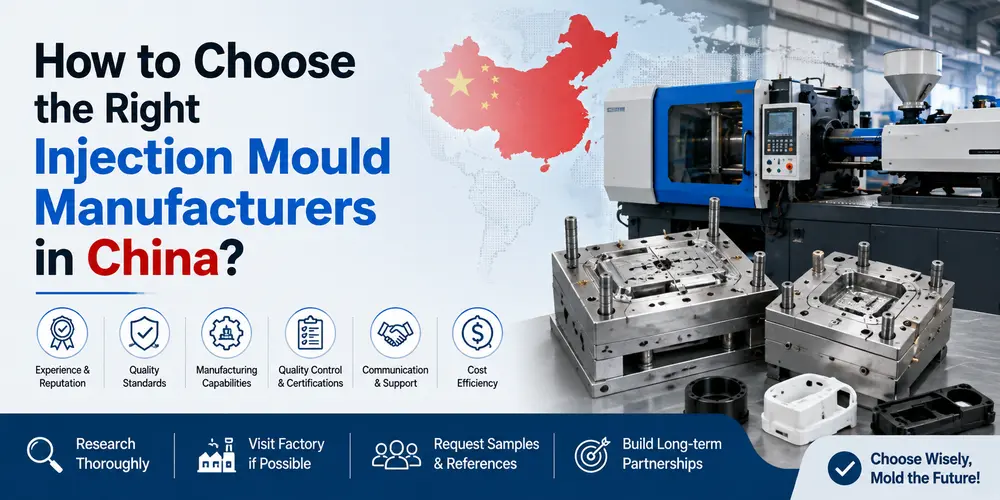
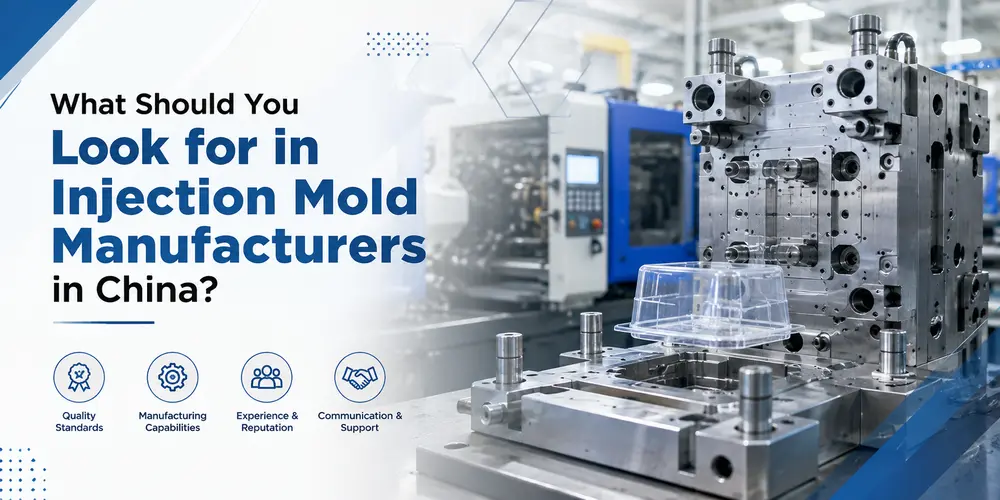
No die casting project really works without excellent tooling. A skilled Injection Mold Supplier in China matters a lot when you’re trying to hit precision at scale. Mold design, steel selection, cooling channel layout, and surface treatment all influence part quality, cycle time, and tool life. So mold design and tooling become one of the core services at xiongzhigroup.com, where engineers use simulation software to predict metal flow and cooling behavior before the steel gets cut. That cuts down trial-and-error, shortens lead times, and helps customers launch products sooner. And as parts get thinner, and more complex, the partnership between mold makers and die casters is going to matter even more. Also, China has a pretty mature tooling ecosystem, with skilled people and competitive pricing, which is a pretty clear advantage in practice.
Equipment and Global Supply Chains
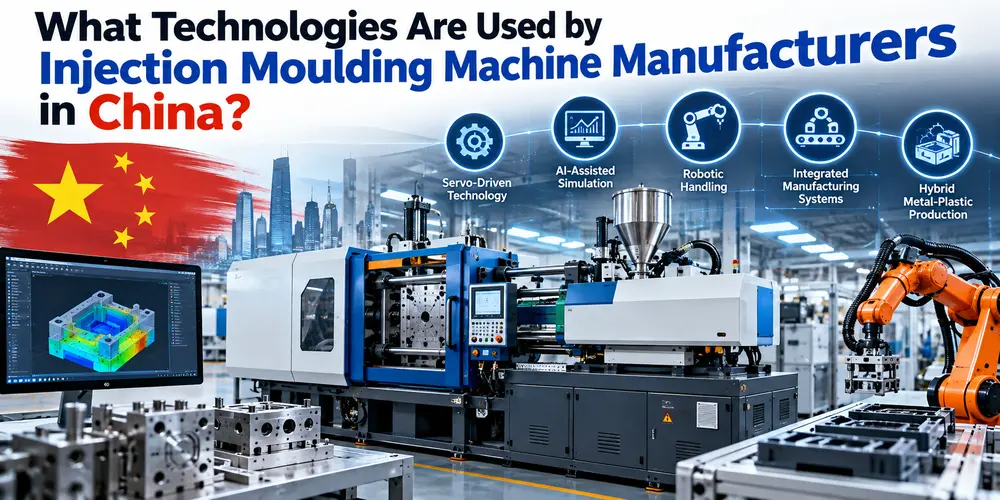
Behind every efficient factory there’s reliable equipment. An experienced injection moulding machine exporter in China supplies the machines that help power plastic and hybrid component production all over the world. Chinese manufacturers have invested a lot in servo-driven systems, energy-saving hydraulics, and precision controls, so their machines stay competitive with established global brands. If a manufacturer is building integrated production lines, sourcing machines, molds, and cast components from a connected supply network usually gives real benefits: better compatibility, easier logistics, and quicker after-sales support. And as global demand for precision parts grows, export-focused Chinese suppliers will keep expanding.
Challenges and Opportunities Ahead
Magnesium is reactive, so melting and casting need careful handling, and people can’t be casual about it. Corrosion protection via coatings and surface treatments is also non optional, otherwise problems show up later. Also, raw material prices can swing around, sometimes faster than expected. But the companies that invest in process control, strong quality systems, and skilled engineers are basically turning those headaches into advantages. And honestly the opportunities look bigger than the hurdles. Demand is climbing in electric mobility, 5G devices, medical equipment, and lightweight robotics. So, there’s a sustained need for high-precision magnesium parts. Suppliers that combine technical depth, flexible production, and clear communication will probably end up leading the market.
Conclusion: The Future of the Magnesium Die Casting company
Honestly, the future for a Magnesium Die Casting company in precision manufacturing looks pretty bright. Lightweighting, sustainability, and miniaturization aren’t just “passing” ideas, they’re more like long-term forces that keep reshaping how products are designed and built. The companies that get really good at magnesium and aluminum casting, and also bring in quality tooling, plus finishing services like CNC machining and surface treatment—will likely be the ones doing the best. And with its engineering know-how, plus a full-service capability, xiongzhigroup.com seems set to support global customers turning ambitious designs into precision-made reality, without too much fuss.
Frequently Asked Questions (FAQs)
1. Why is magnesium used in die casting?
Magnesium is super lightweight, strong, and it deals with vibration damping really well. It also pours nicely into thin-walled, awkward shapes, basically ones that need detail.
2. Is magnesium die casting more expensive than aluminum?
The raw material can be pricier, sure. But faster cycle times, longer mold life, and lighter part weight often balance the difference in the end product.
3. Which industries use magnesium die cast parts?
Automotive, aerospace, electronics, medical devices, power tools, and robotics are among the most common users.
4. Can one supplier handle both magnesium and aluminum die casting?
Yes, in many cases. A lot of manufacturers provide both materials, so customers can choose the best route for each component.
5. How important is mold quality in die casting?
It’s crucial. Mold design affects part accuracy, surface finish, how quickly parts can be produced, and also tool life, pretty directly.
6. Is magnesium die casting environmentally friendly?
Magnesium is highly recyclable, and because it is light, it can reduce fuel usage and energy consumption in vehicles and devices. That matches sustainability goals, pretty well.
7. Why source die casting and moulding products from China?
China has a fairly mature supply chain, advanced equipment, skilled engineers, and pricing that tends to stay competitive. Also, there’s solid export experience, so sourcing is usually smoother than expected.