- BaoZhu Str. 8, Economic Development Zone, XianAn District, XianNing City, 437000, Hubei Province, China


 XiongZhiGroup Co., Ltd
What Industries Commonly Work with Injection Mold Suppliers in China?
20
Nov 2026
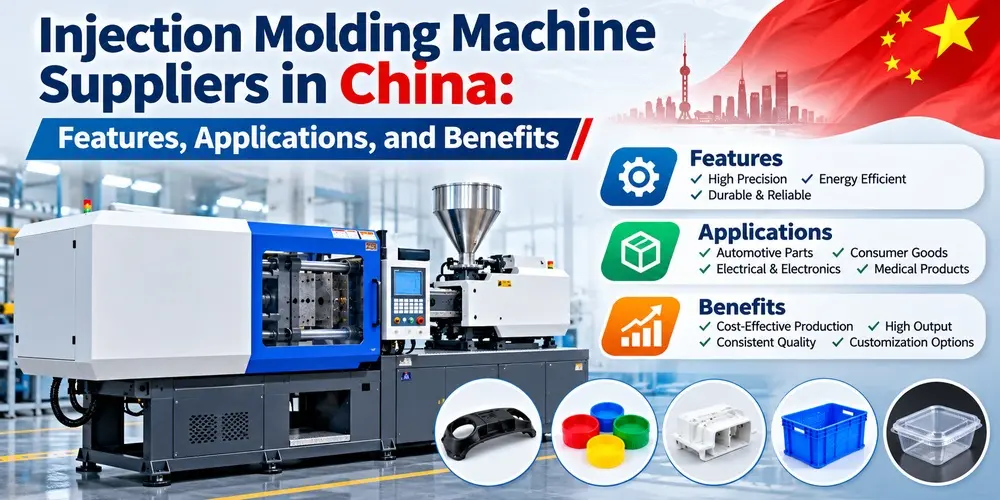
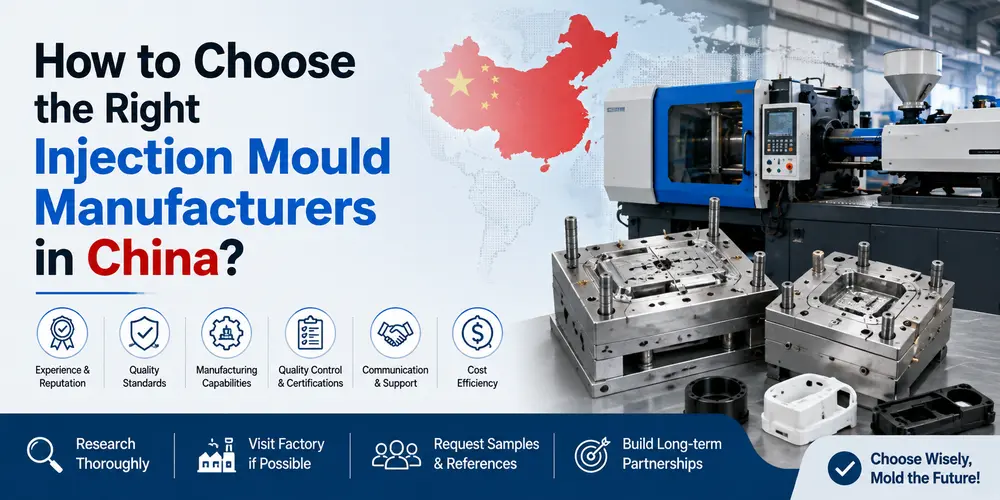
China has become one of the world’s leading manufacturing places, and its mold-making world pretty much sits right in the middle of all that. A lot of businesses, almost from every corner, now lean on Injection Mold Suppliers in China to basically turn product ideas into sturdy, mass produced pieces. Whether what you need is a simple plastic housing or some pretty complex multi-cavity tool, many seasoned partners like xiongzhigroup.com can cover design help, prototyping, tooling, all the way to full scale production, like under one roof, so nobody has to chase five vendors. Let’s see which industries get the most out of this mix and why they keep coming back, again and again.
1. Automotive Industry
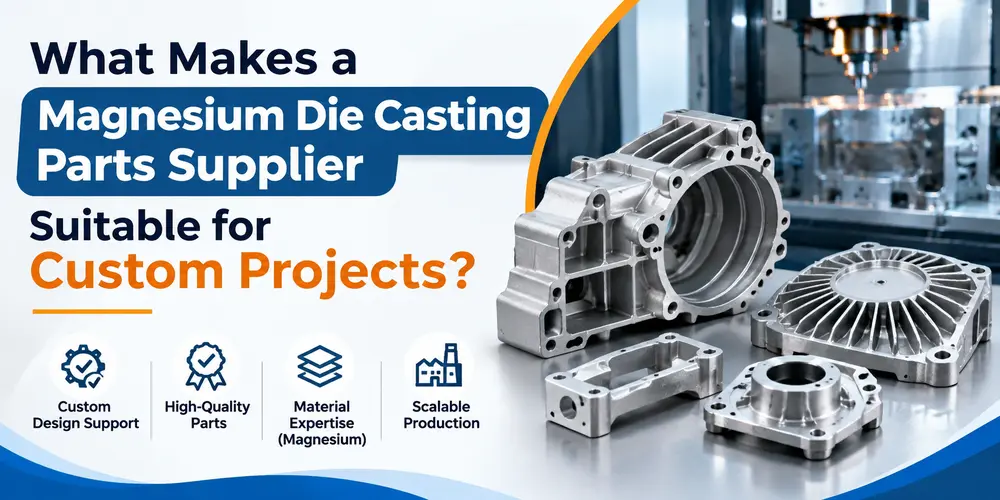
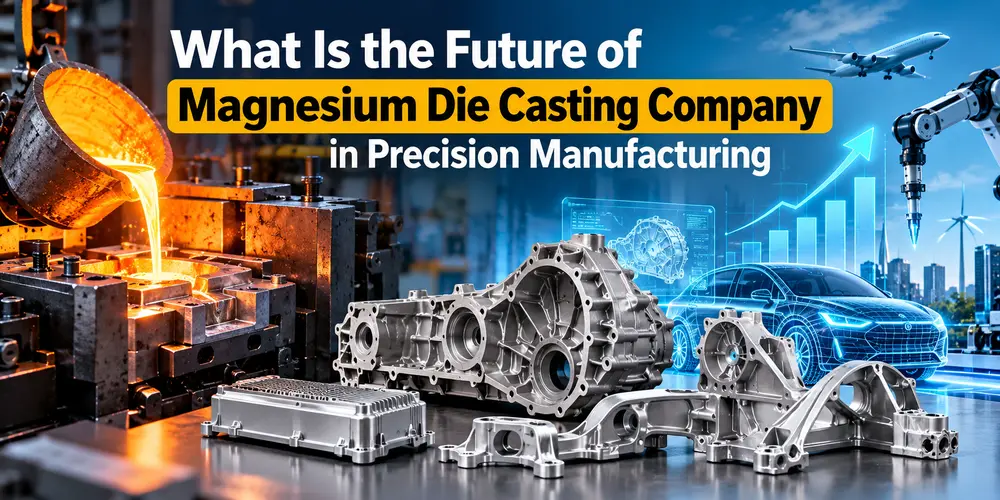
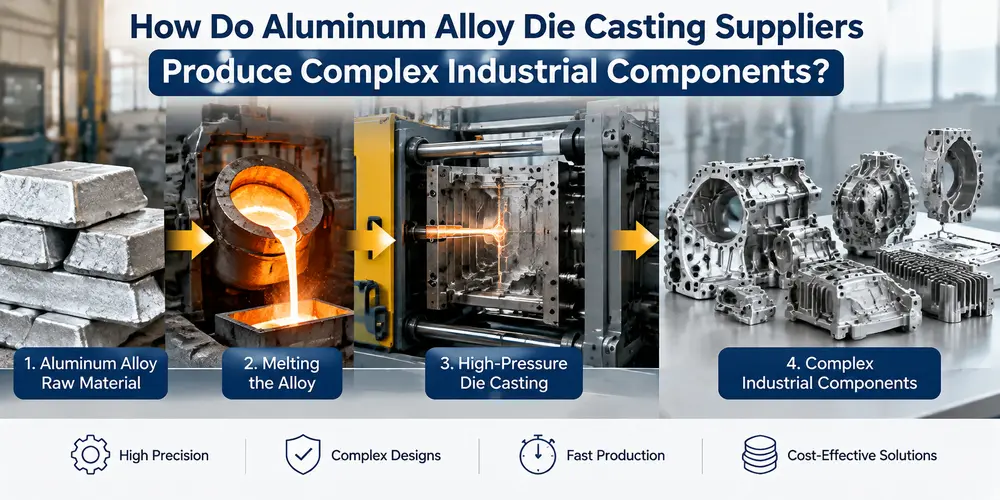
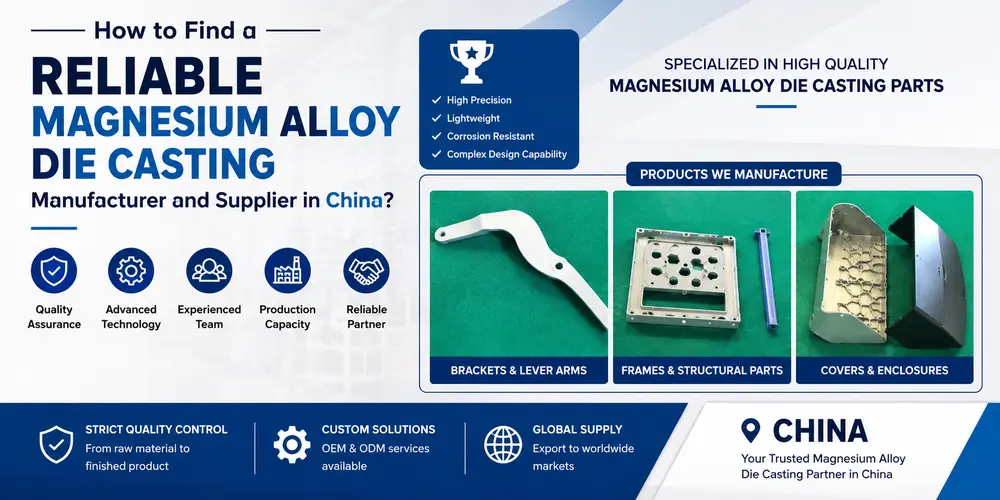
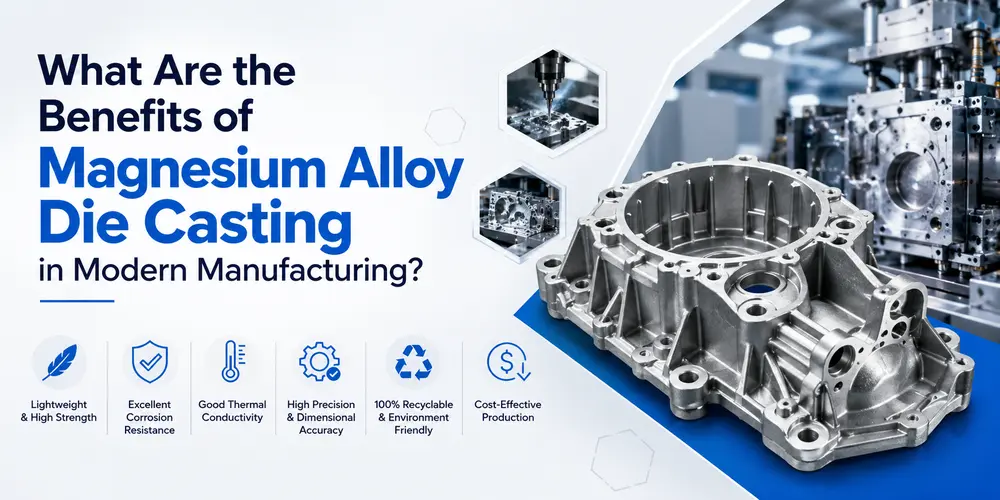
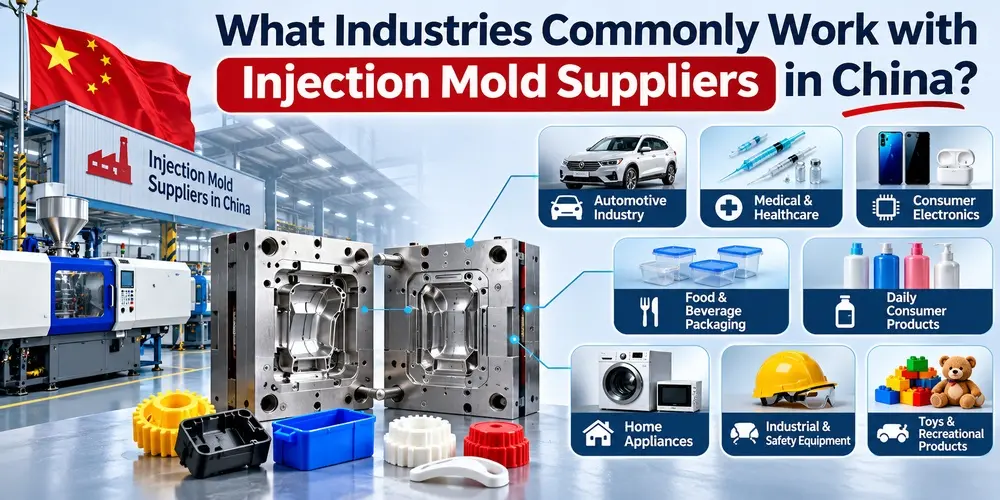
The auto space is easily one of the biggest consumers of molded and cast components. Dashboards, door panels, clips, connectors, bumpers, engine covers all of those start as precision molds. Car makers usually want tight tolerances, steady quality, and quick turnaround, so they end up looking for an Injection Mold Supplier in China that has real experience in high volume tooling. Metal parts still matter a lot too. Lighter vehicles are getting pushed hard, especially with electric cars. This is where a Magnesium Alloy Die Casting company in China becomes super useful, because magnesium is among the lightest structural metals. It works well for steering wheel frames, seat structures, and transmission housings. A lot of automotive buyers basically combine plastic injection tooling and metal die casting from the same supply system, so sourcing gets less messy and more streamlined.
2. Consumer Electronics
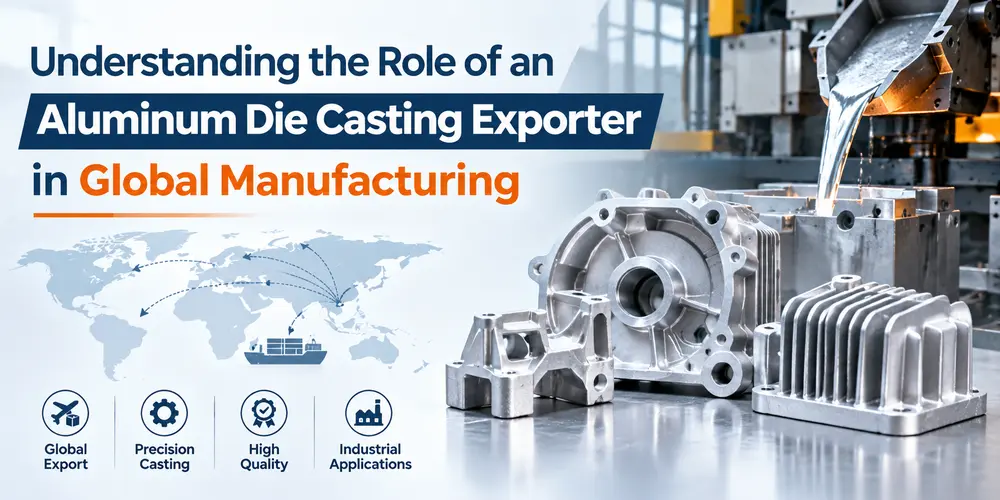
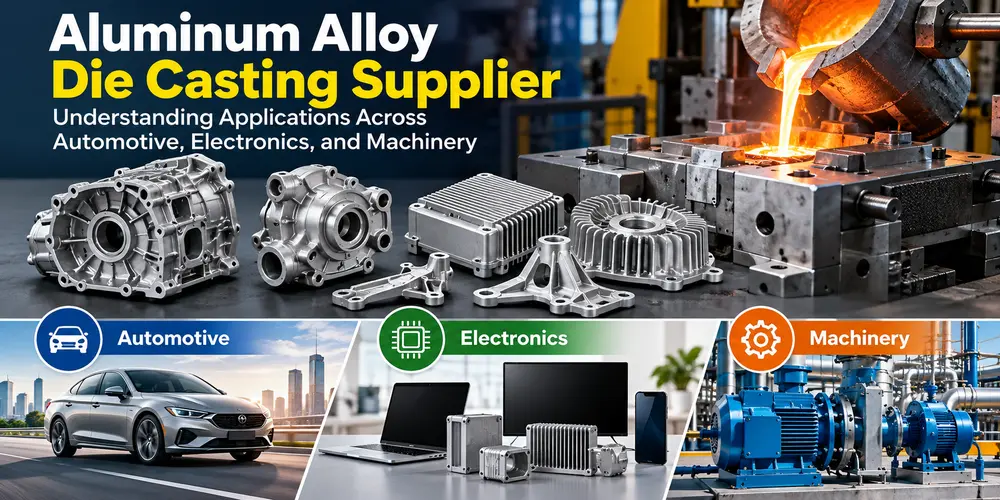
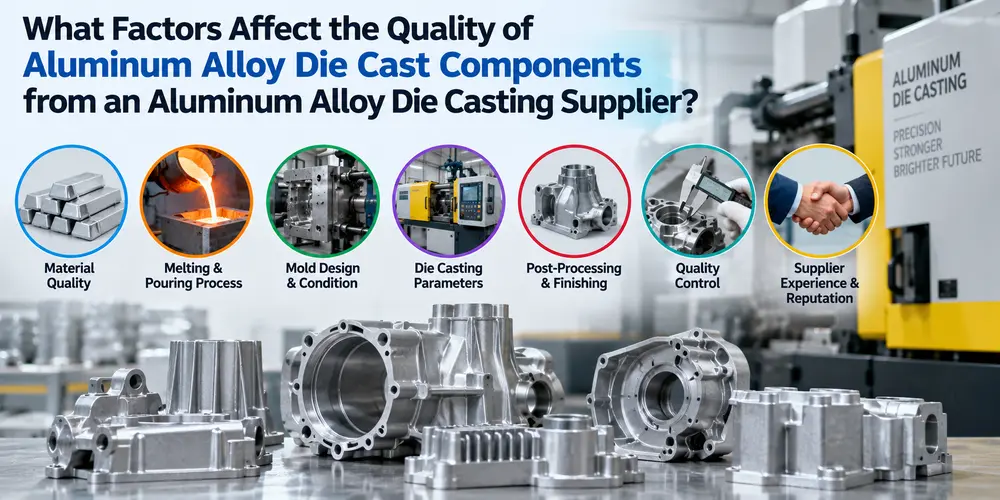
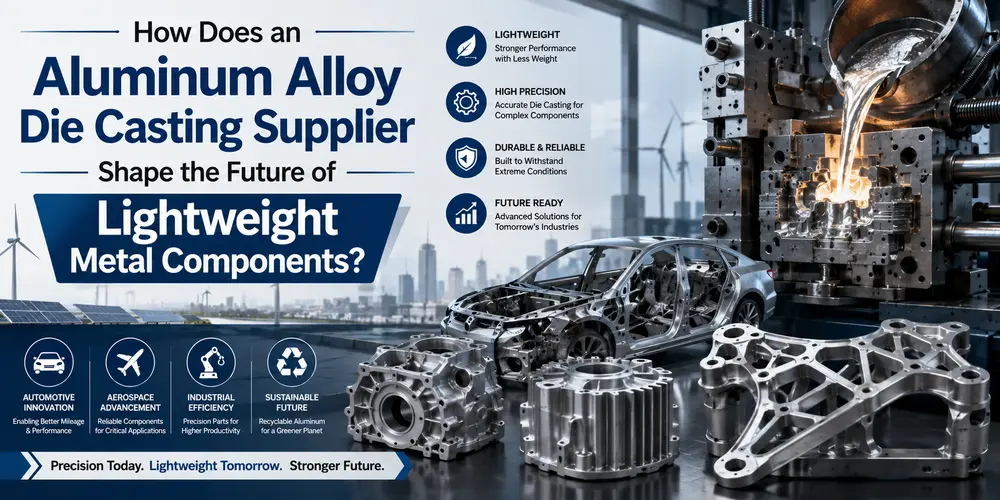
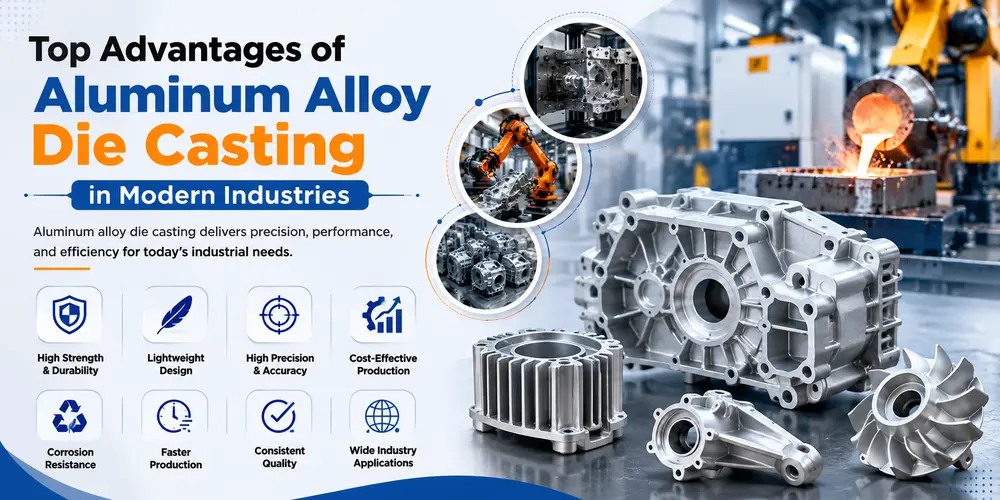
Smartphones, laptops, tablets, headphones, smart watches, chargers, all rely on enclosures that need to fit just right. Electronics brands care about thin walls, smooth surfaces, and exact alignment between parts. Since product life cycles are short, speed matters more than ever. Suppliers in China can often move from design stage to a sample in only a few weeks, which helps brands launch before competitors do the same thing. Magnesium and aluminum show up here a lot too. Laptop frames and camera bodies often use die cast metal for strength, better heat release, and that “premium” feel. Brands frequently source those from a trusted Aluminum Alloy Die Casting Manufacturer, and the better ones can also coordinate plastic components for the same overall product, so everything matches up.
3. Medical and Healthcare Devices
Medical products need clean manufacturing, traceability, and strict quality compliance. Things like syringes, diagnostic equipment housings, inhaler parts, test kits, and surgical tool handles are often produced using injection molding. More and more suppliers run cleanroom setups, and hold certifications like ISO 13485. Because medical devices have to be dependable, buyers usually evaluate suppliers pretty carefully. They check how materials are handled, how molds are maintained, and what inspection steps exist. Well established suppliers can meet those requirements, but still offer pricing that doesn’t blow up budgets, and that’s a big reason healthcare brands in North America and Europe keep expanding sourcing in China.
4. Home Appliances
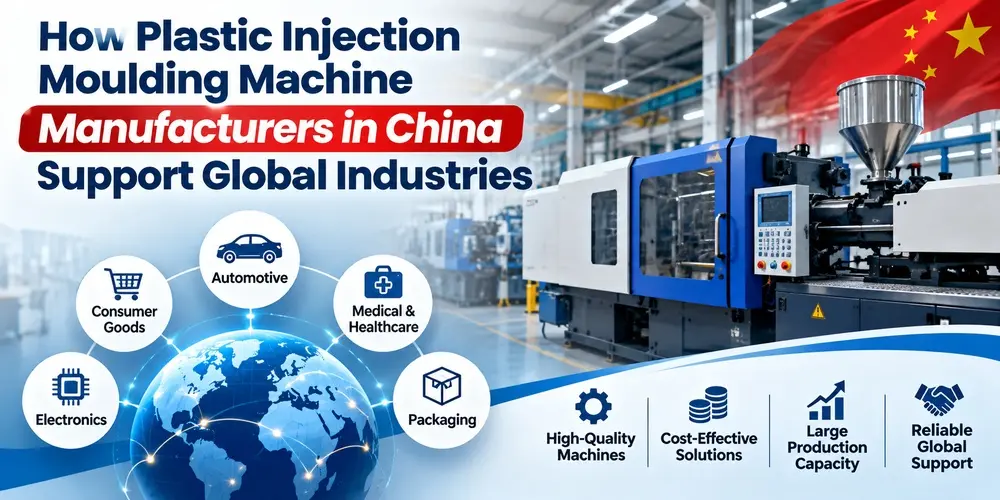
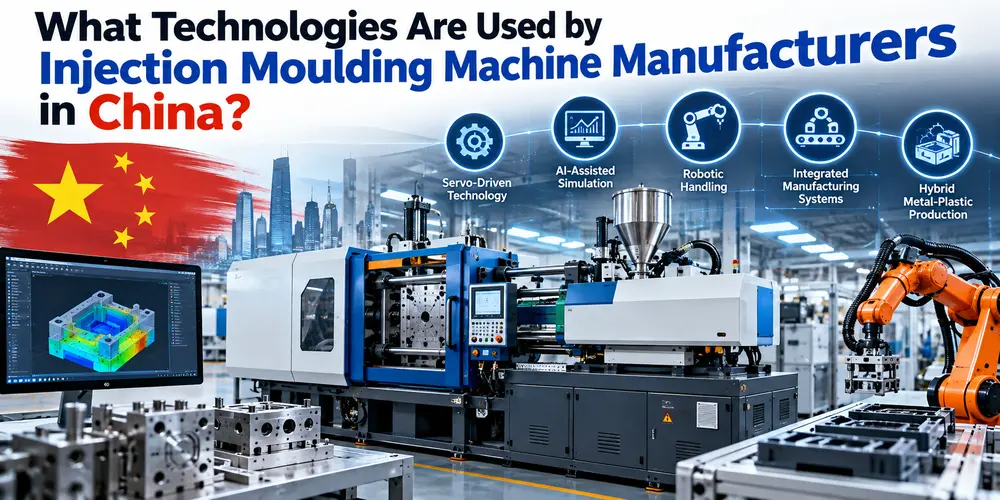
Refrigerators, washing machines, vacuum cleaners, air purifiers, coffee makers, and all sorts of kitchen gadgets contain a ton of plastic parts. Appliance makers want durable molds that can run millions of cycles without losing accuracy. Chinese mold makers have been working on this for a long time, supporting both global brands and private label businesses. Then there’s the equipment side too. Many appliance manufacturers also pair up with Plastic Injection Moulding Machine Manufacturers in China, so their own factories use machines aligned with what the product needs, like the right clamping force, shot size, and energy efficiency. When molds and machines are sourced locally, lead times drop and costs usually look nicer.
5. Industrial and Machinery Equipment
Industrial firms use molded and die cast parts for control panels, gear covers, pump housings, tool casings, and protective shields. These parts need to handle heat, vibration, and heavy day to day use. Materials like nylon, polycarbonate, and glass filled compounds are pretty common, plus aluminum die cast pieces for extra strength. Machine builders also value suppliers who can manage smaller and medium production runs, because volume is often not as high as typical consumer goods. Flexible tooling options, and quick design changes when requirements shift, really helps a lot here.
6. Packaging and Consumer Goods
Bottle caps, containers, cosmetic packaging, toys, storage boxes, household items all get produced in huge quantities. The focus is usually on cost efficiency and fast cycle times. Multi cavity molds let manufacturers produce hundreds of pieces per minute, which helps keep unit costs very low. Toy makers and cosmetic brands also care about creative flexibility. You can get detailed textures, bright colors, and unusual shapes if the mold is built right, and Chinese suppliers are generally good at delivering exactly that.
7. Telecommunications and LED Lighting
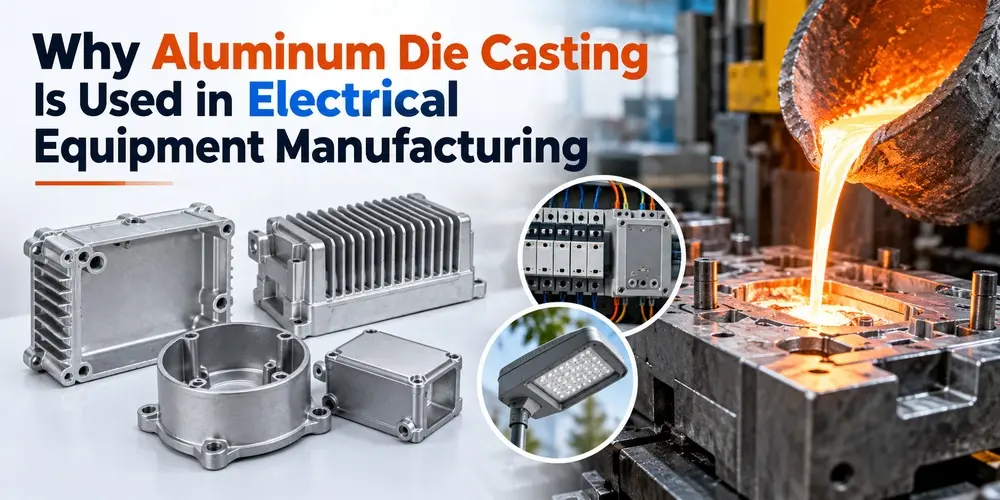
For telecom equipment like routers and antennas, plus LED lighting fixtures, you typically need housings that shield the electronics while also handling heat properly. Aluminum die casting is especially popular here because it conducts heat well. Street lights, floodlights, and 5G equipment enclosures are common examples. Plastic injection molding complements that whole setup by providing lenses, covers, and internal supports, so the final product ends up both protected and functional, without feeling bulky or cheap.
Why These Industries keep choosing China
A bunch of small advantages, well they stack up, and that’s why global buyers keep coming back. For starters cost competitiveness is huge: lower tooling and labor costs, but still not giving up quality. Then there’s the “full supply chain” angle too: materials, machining, finishing and assembly are pretty close by, you don’t end up chasing things around. Add speed into it, sampling moves fast and production cycles can be shorter than elsewhere. On top of that you get technical expertise, decades of experience mostly in plastics and metals. And of course, scalability matters, you can usually shift from prototype to mass production without too much drama. Companies like xiongzhigroup.com bundle these strengths together. They handle injection molding, die casting and related manufacturing services so customers can juggle multiple needs with one partner, instead of talking to, like, four different places at once.
Conclusion: Why Injection Mold Suppliers in China still feel like the top choice
From automotive and electronics, to medical devices, appliances, packaging and lighting, almost every big industry can benefit from working with Injection Mold Suppliers in China. It’s that mix of skilled engineering, plenty of material options, competitive pricing and fast delivery that’s hard to beat. And then you can attach connected services, like metal die casting and machinery supply, so buyers can build a more complete production chain without managing a bunch of vendors. So, if you’re planning a new product, or you want to improve what you already source, teaming up with a capable supplier such as xiongzhigroup.com can be a practical first step. It helps with stable quality and long-term growth, even when your timelines get tight.
FAQs
1. Which industries use injection mold suppliers the most?
In general, you’ll usually see automotive, consumer electronics, medical, home appliances, packaging, and industrial equipment end up being the biggest users and buyers, directly.
2. Why is magnesium die casting so popular in automotive and electronics?
Magnesium is really lightweight but still strong, so it helps cut product weight and can support better fuel or battery efficiency.
3. Can one supplier handle both plastic molding and metal die casting?
Yes. Many manufacturers offer both, which makes communication, logistics, and quality checking way easier.
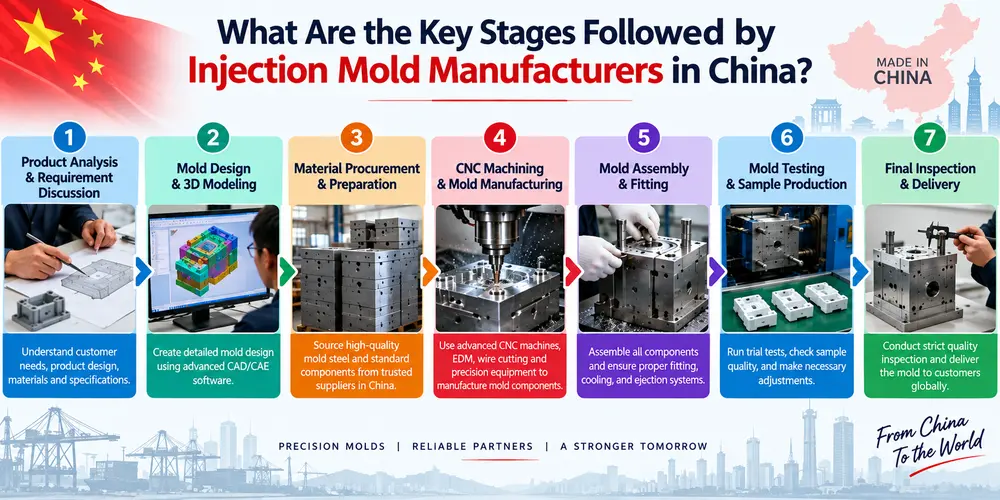
4. How long does it take to develop a mold in China?
Simple molds might take 3 to 4 weeks, while more complex multi cavity tools can take 6 to 10 weeks.
5. Are Chinese mold suppliers able to meet international quality standards?
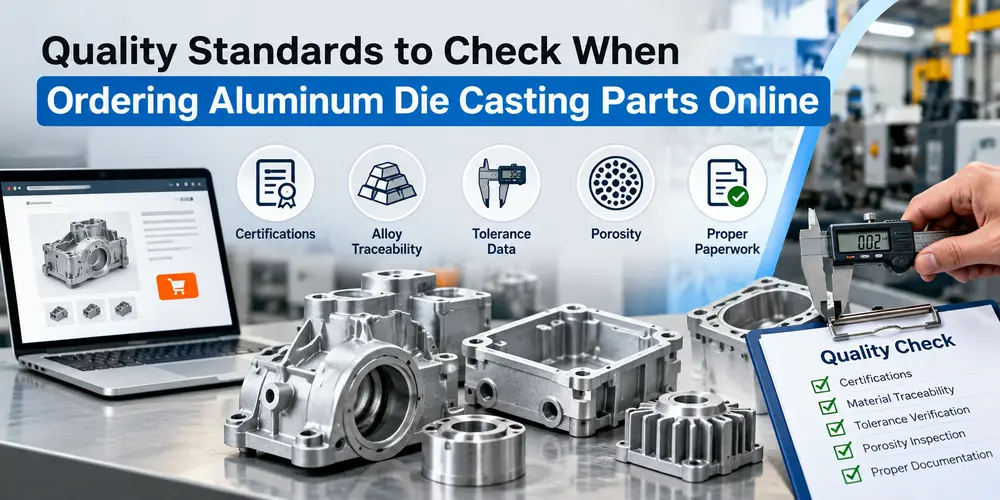
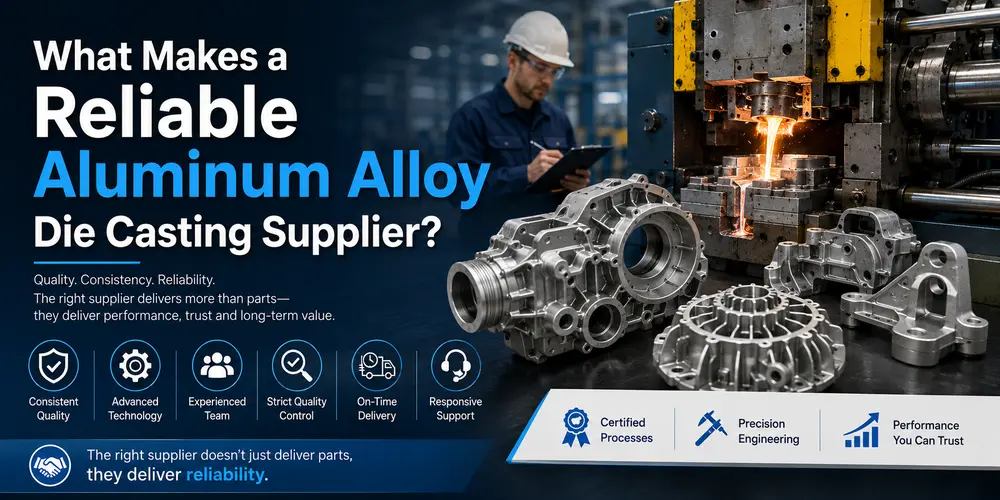
Many have ISO 9001, ISO 13485, or IATF 16949 certifications, and they follow strict inspection procedures.
6. What should I look for when choosing a supplier?
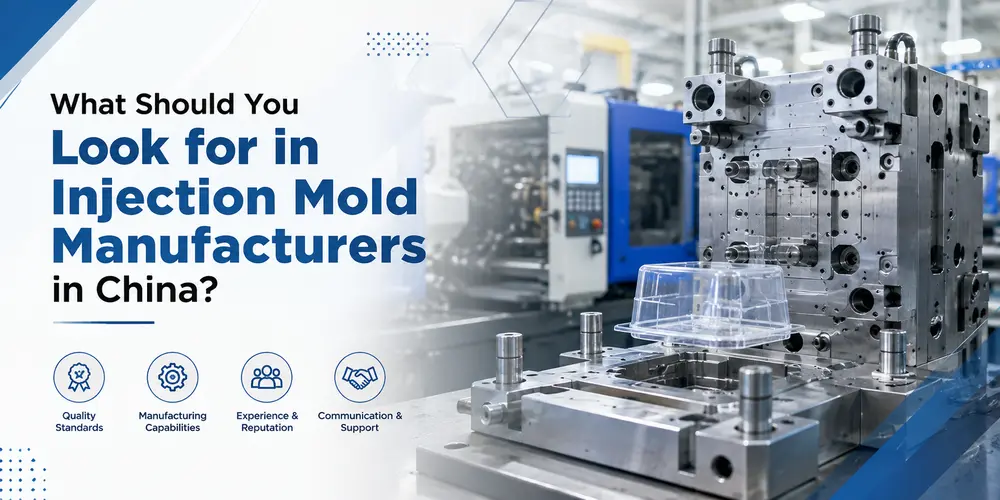
Look at their experience, equipment, certifications, communication style, sample quality, and also ask for past client references.
7. Do suppliers help with product design?
Yes. Most provide design for manufacturing (DFM) feedback, plus prototyping and engineering support before tooling really starts.
8. Is it possible to order small production runs?
Yes. Many suppliers do low to medium volume production, especially when you use aluminum or single cavity molds.