- BaoZhu Str. 8, Economic Development Zone, XianAn District, XianNing City, 437000, Hubei Province, China


 XiongZhiGroup Co., Ltd
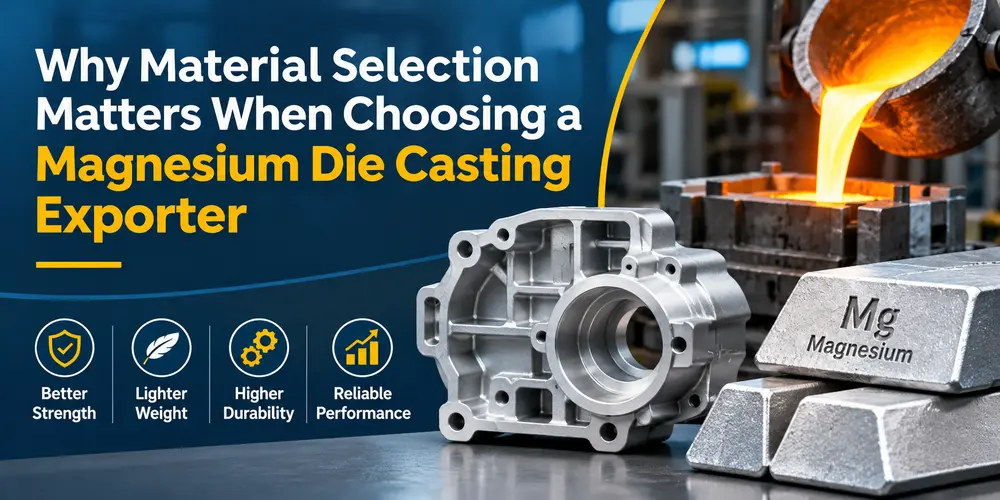
Why Material Selection Matters When Choosing a Magnesium Die Casting Exporter
25
Nov 2026
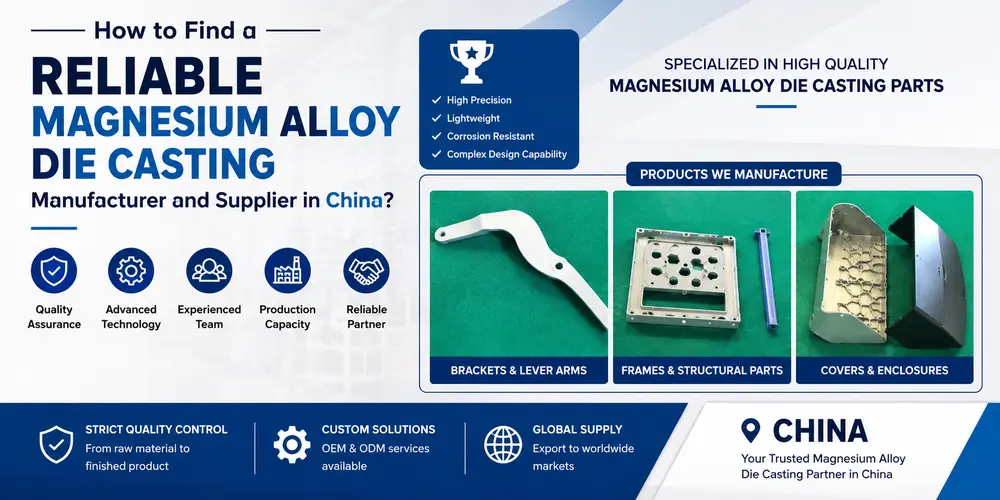
Choosing a Magnesium Die Casting Exporter is not only about price and delivery time, ok. Also, the material a supplier uses decides how strong, light, and durable your final parts end up being, right. A dependable partner like xiongzhigroup.com provides magnesium die casting with careful alloy selection, process control, and testing behind it. If you are a buyer, engineer, or procurement manager, this kind of guide covers why material selection really needs to sit at the top of your checklist, no kidding.
1. Start With the Right Alloy
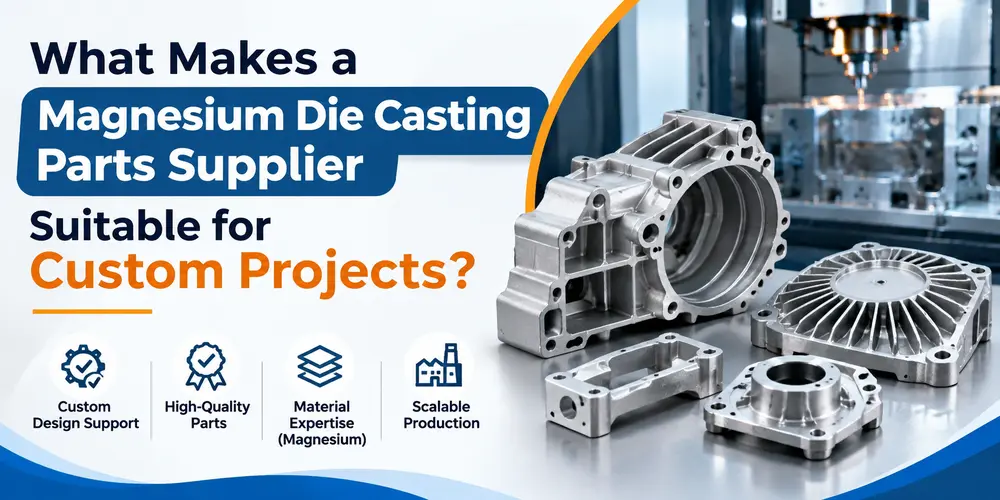
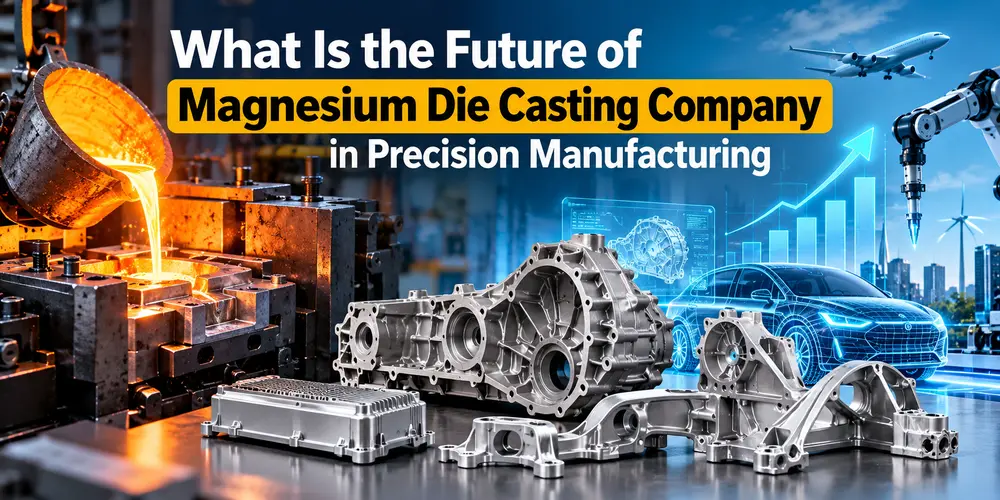
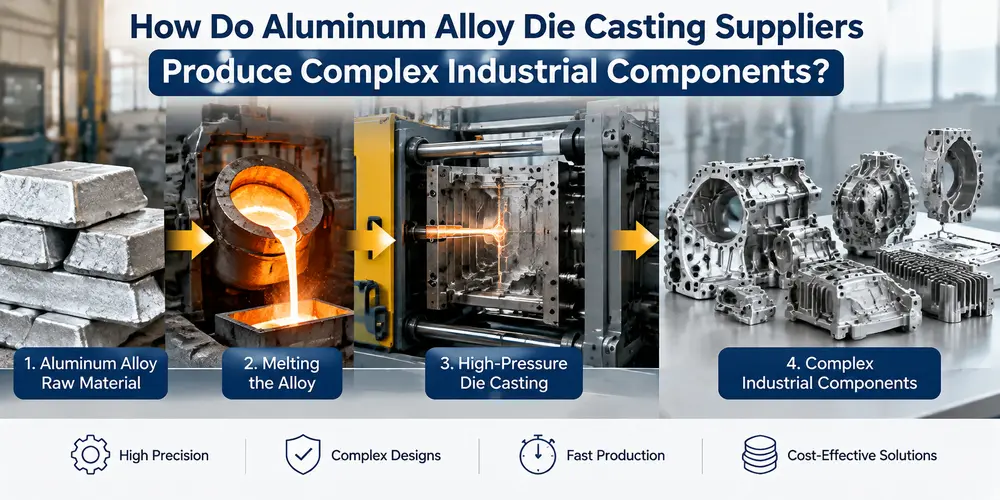
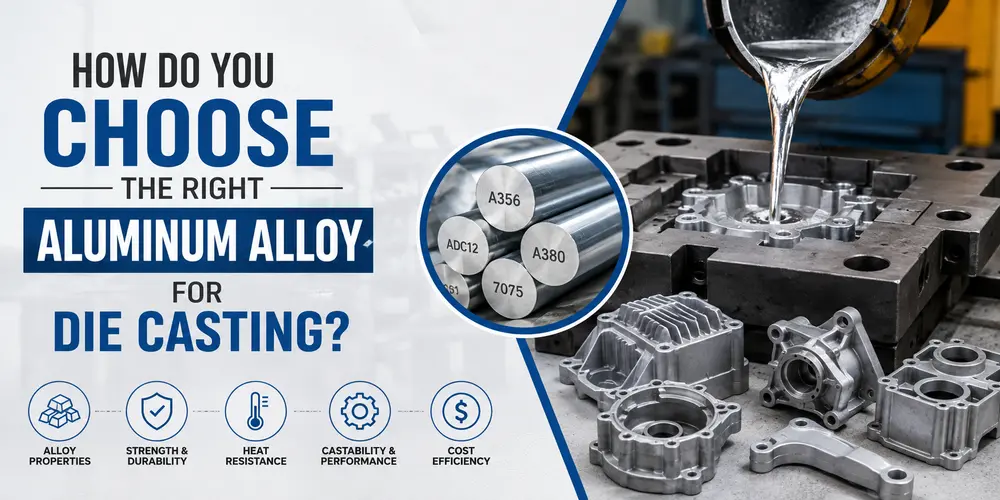
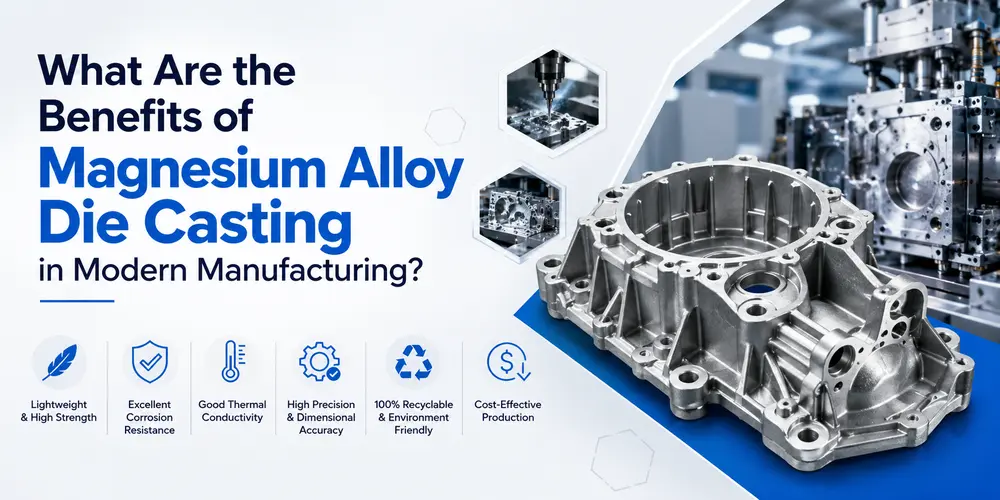
The first thing to ask a Magnesium Alloy Die Casting company in China is which alloys they actually work with. Magnesium is the lightest structural metal used in die casting, it is roughly 33% lighter than aluminum, and about 75% lighter than steel. But not all magnesium alloys behave the same, even if they sound similar on paper. Common grades include AZ91D, AM60B, and AM50A. AZ91D gives strong castability and pretty decent corrosion resistance, so it often shows up in housings and brackets. AM60B and AM50A tend to offer better ductility plus impact resistance, so they fit automotive parts like steering components and seat frames. A solid supplier will not treat every project like it needs the same grade. They should look at your part design, the load demands, and the real operating environment, then recommend the best option. If a company can’t explain why they picked a certain alloy, that’s honestly a small red flag
2. Compare Magnesium With Aluminum
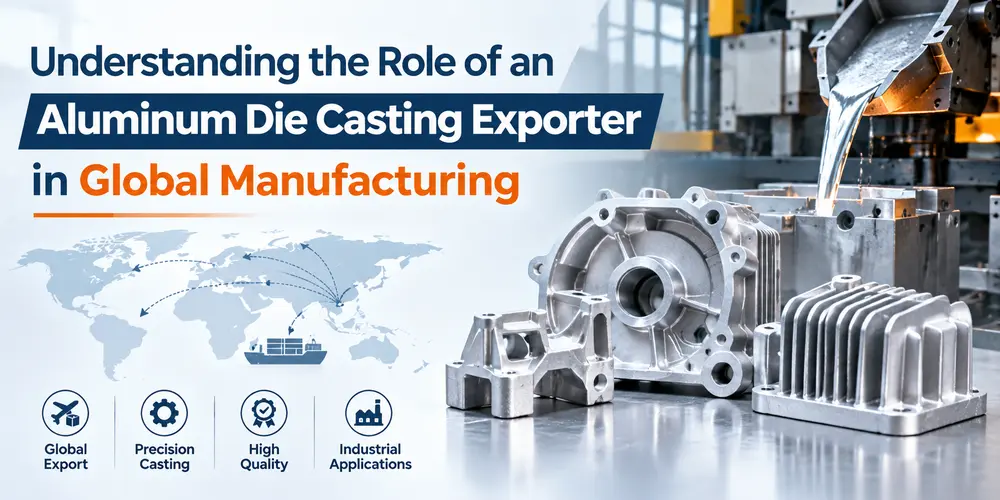
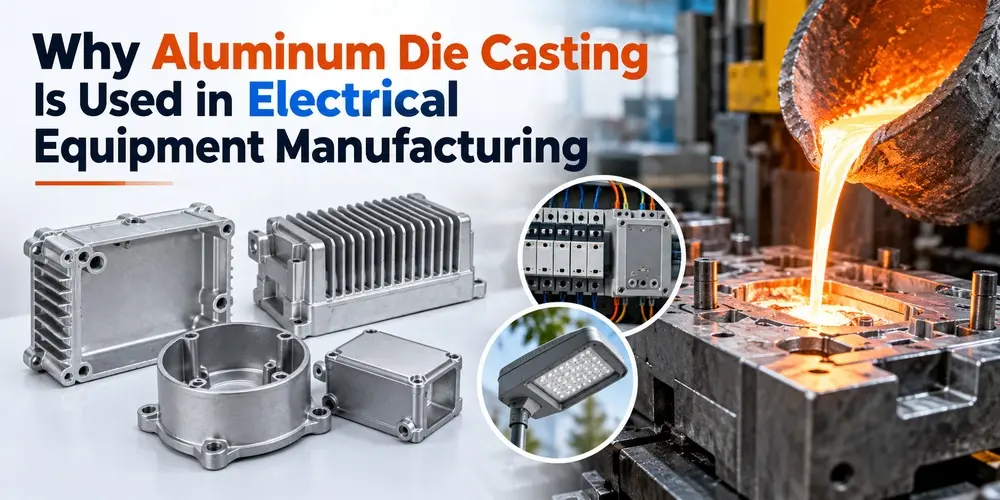
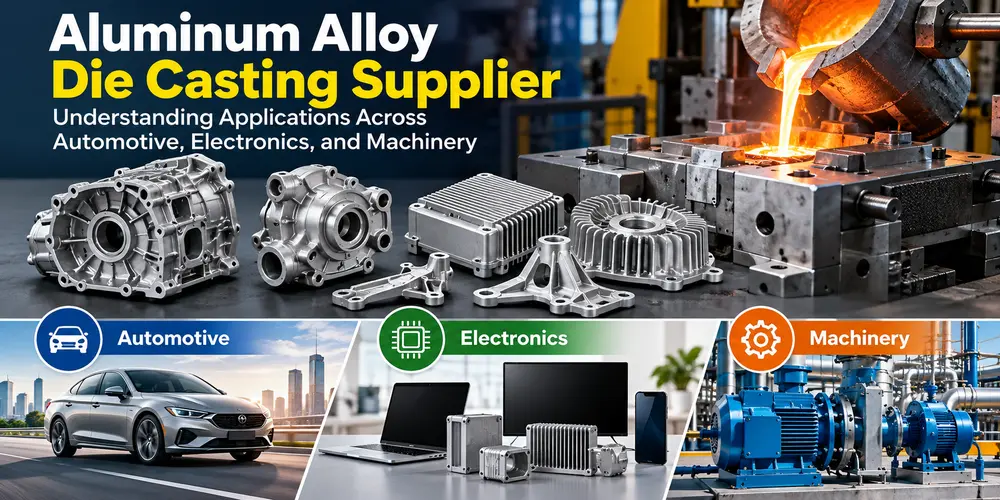
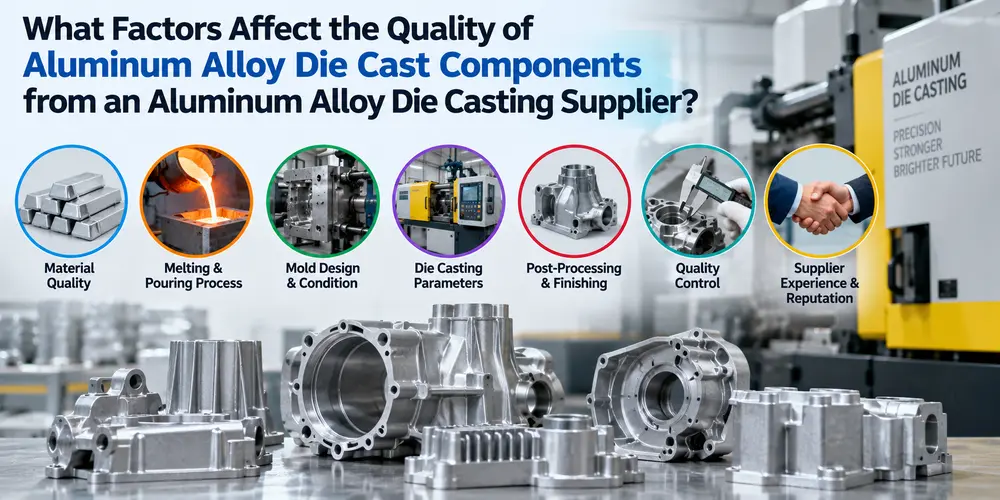
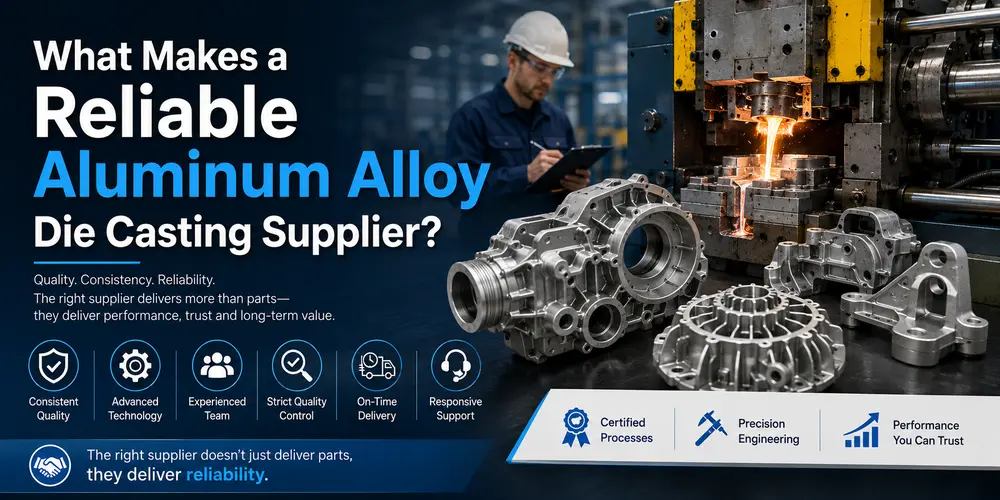
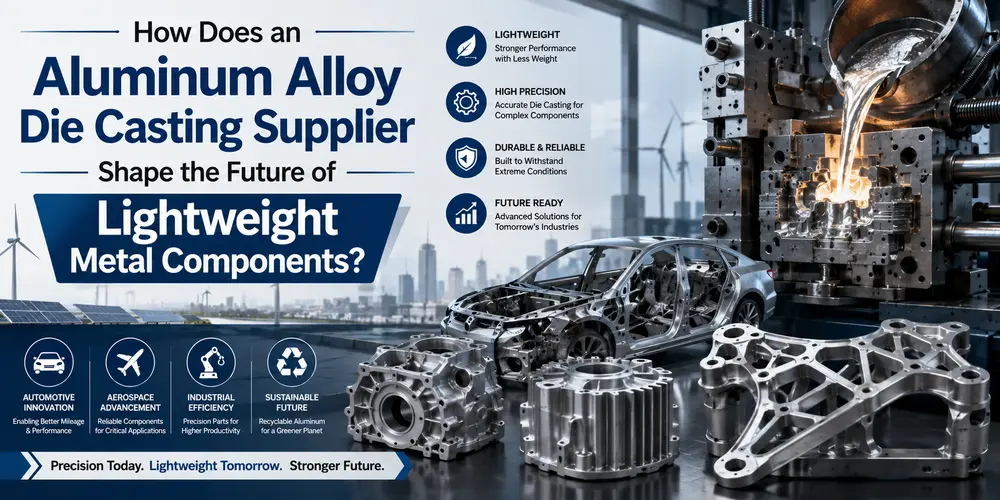
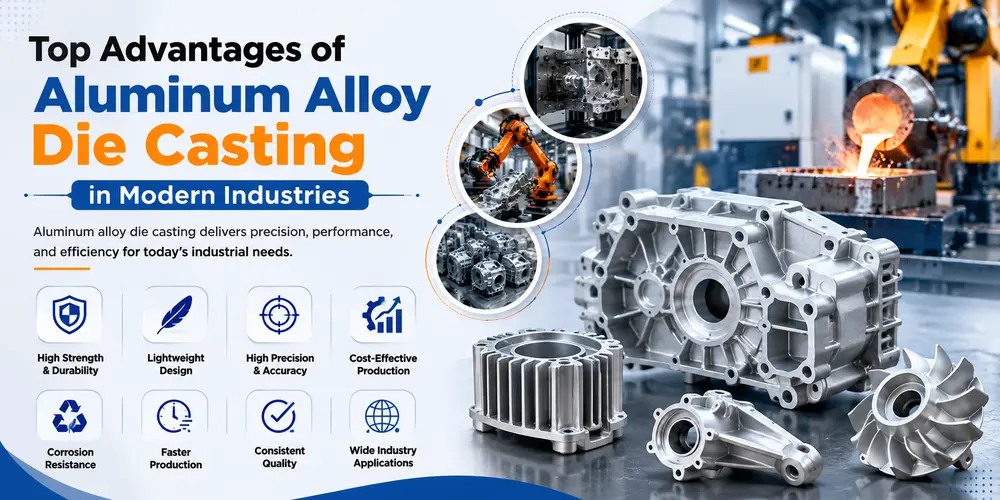
Sometimes your project can go with either metal, so it helps if your company handles both without forcing one choice. An experienced Aluminum Alloy Die Casting Supplier can give you a fair comparison, instead of pushing a single solution just because. Magnesium tends to win on weight, and also on vibration damping. Aluminum can win more often on cost, thermal conductivity, and general availability. A laptop frame or power tool housing usually benefits from magnesium low weight, but a heat sink might work better with aluminum. If the exporter supports both materials, you can balance weight, cost, and performance more easily. Also if your design changes, or your budget shifts, you can switch materials without changing partners like, every month3. Tooling Affects Material Performance
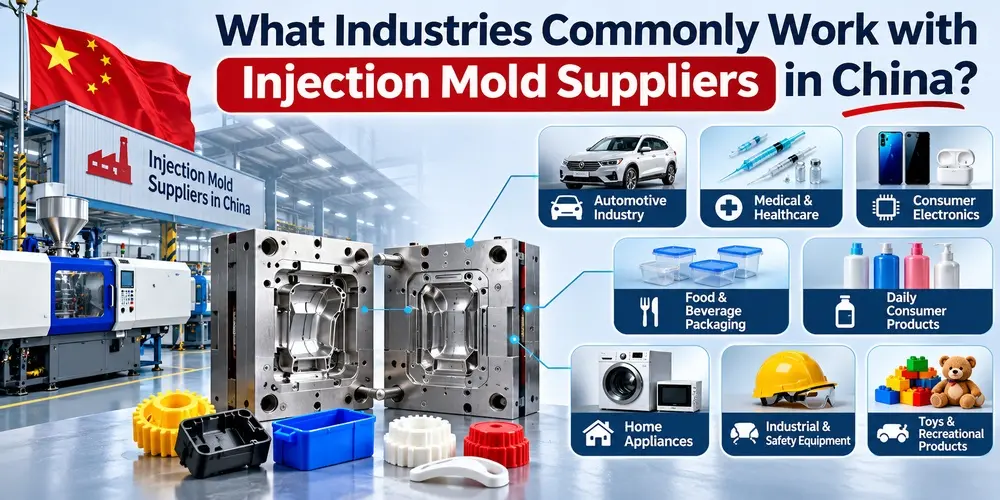
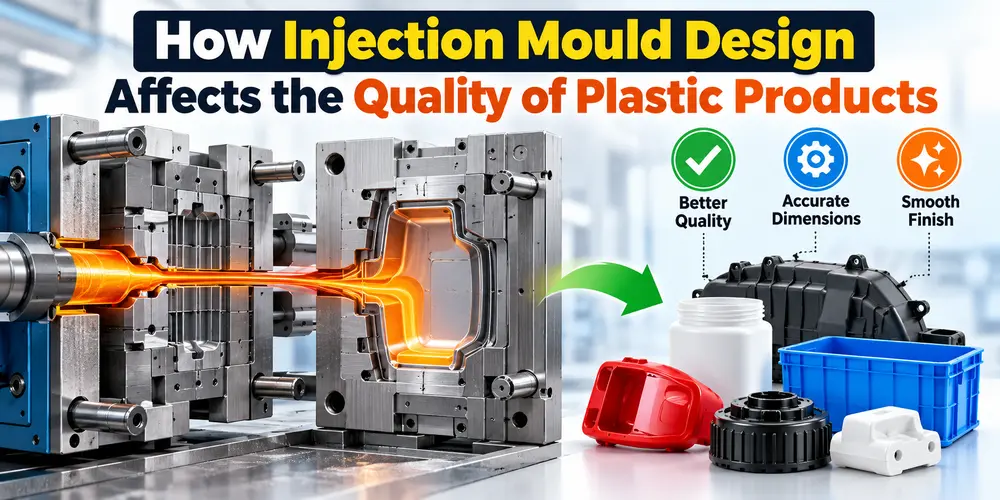
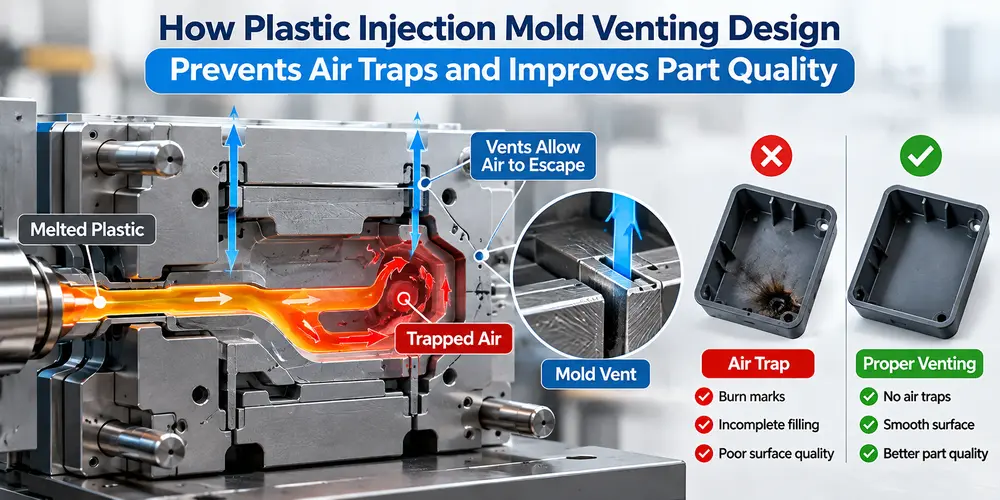
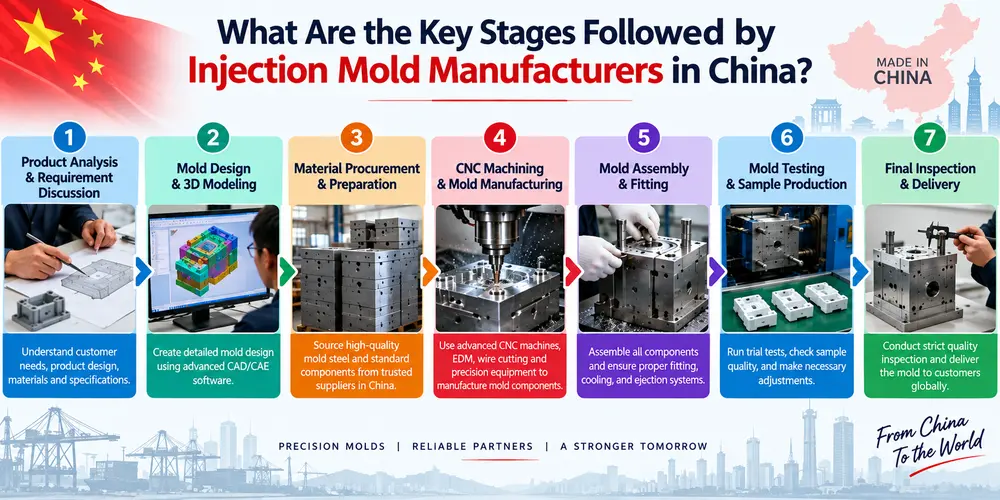
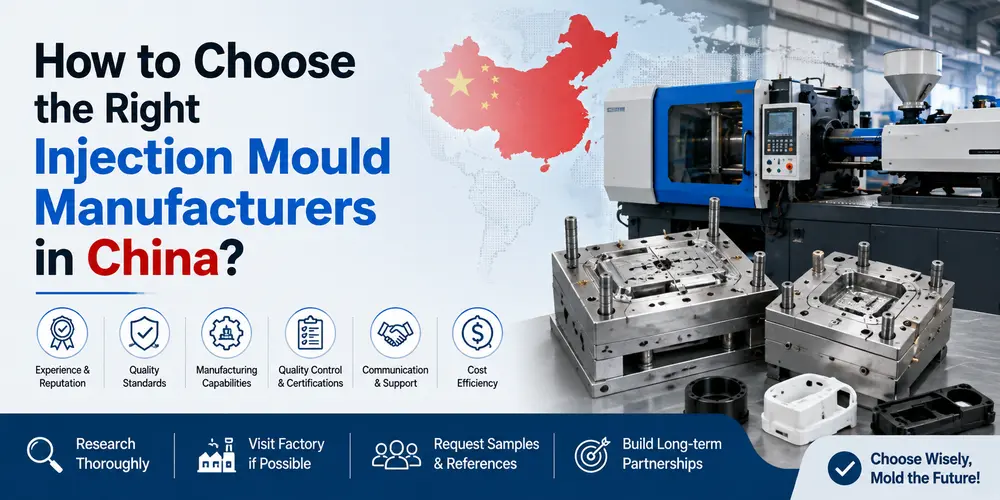
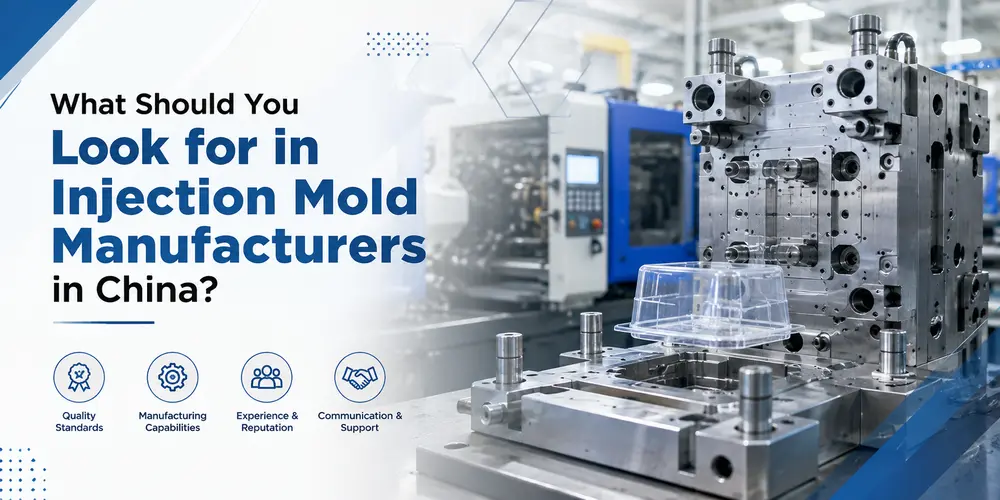
Even the “best” alloy won’t save you if the mold is done badly. That’s why you should check if your exporter partners with a strong Injection Mold Supplier in China, or if they have in house tooling, too Mold steel quality, cooling channel layout, and gating systems all affect how molten magnesium flows and solidifies. Weak tooling can cause porosity, cold shuts, and warping. Magnesium solidifies quickly, so the mold needs to fill fast, and cool evenly. Try to find suppliers who use quality tool steel like H13, and who run mold flow analysis before cutting steel. On xiongzhigroup.com, mold making is handled alongside production, so lead times feel shorter, and design changes are less painful
4. Equipment Quality Matters
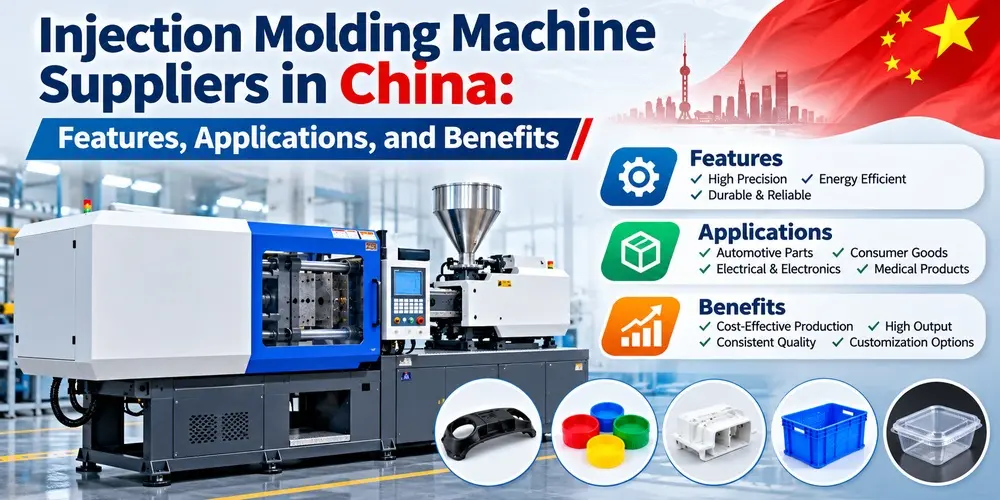
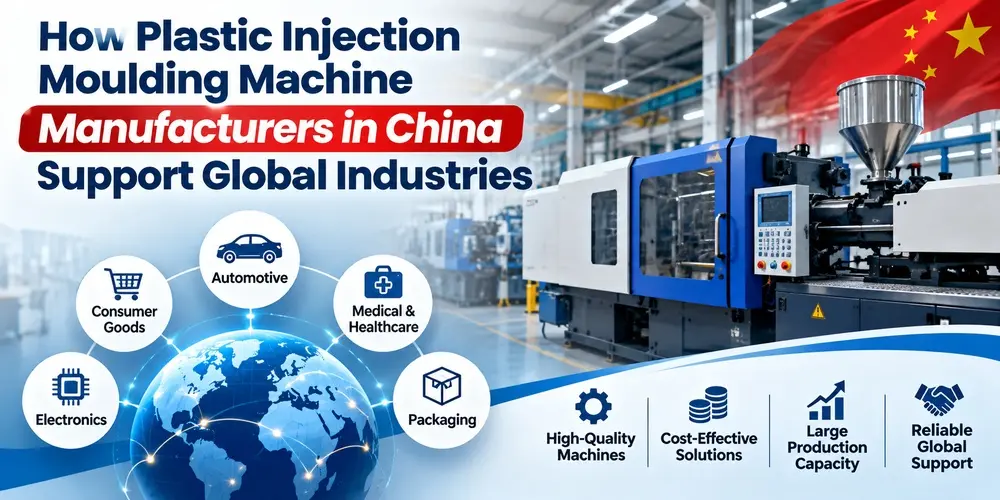
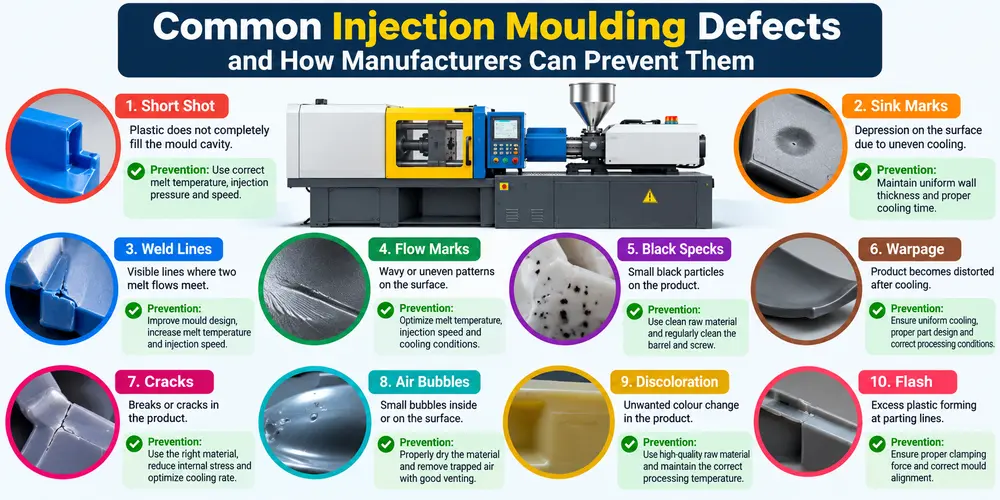
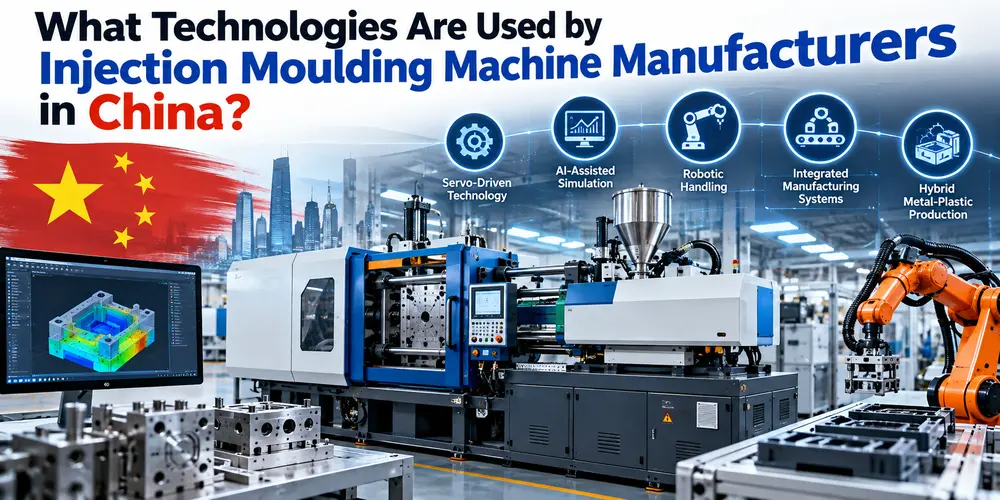
Machine quality is another good hint for a serious exporter. The standards followed by Plastic Injection Moulding Machine Manufacturers in China reflect how precise modern equipment can be, and a supplier that invests in well maintained machines usually shows the same discipline in die casting. For magnesium, that means temperature control that is accurate, protective gas systems to avoid oxidation, and stable injection pressure. Hot chamber and cold chamber machines both have a role, depending on part size and wall thickness. Ask about machine tonnage, maintenance schedules, and whether they use automation. Consistent equipment leads to consistent parts, which matters a lot when you are ordering thousands of pieces each month.5. Quality Control and Testing
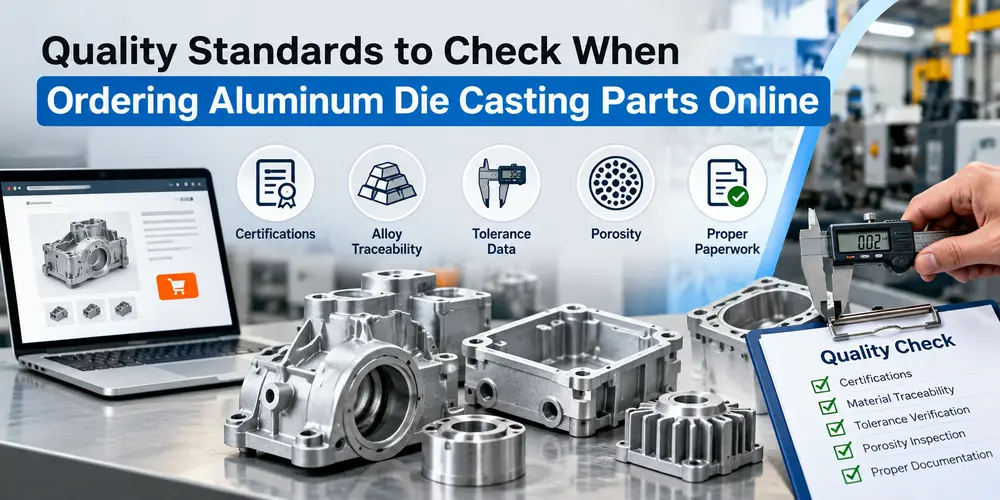
Material choice doesn’t stop after the alloy is selected. A trustworthy exporter verifies material at multiple points, including ingot certificates, spectrometer analysis, and tests for tensile strength and hardness.
Before you place an order, ask for things like:
- Material certificates for every batch
- X ray or CT inspection for internal porosity
- Dimensional reports from CMM measurement
- Salt spray testing for corrosion resistance
Magnesium is sensitive to corrosion, so you really want to talk about coatings and conversion treatments early on, like before everything gets locked in. Having a supplier who is already planning the finishing stuff during the design phase can spare you those annoying surprises later, you know how it goes.
6. Export Experience and Supply Reliability
Magnesium is regulated for shipping in some specific forms, so an exporter that’s actually been through it already knows how to handle packaging, documents, and customs rules, without last minute panic. Finished die cast parts are usually less complicated to ship, but chips and scrap still need careful handling, and that detail can matter more than people think. Pick a partner with a solid exporting background for Europe, North America and other markets. They should understand RoHS and REACH, give realistic lead times, and communicate quickly in English. Also, dependable raw material sourcing helps protect you from sudden price swings and supply shortages, and that’s not a small thing when your production schedule is on a timer.Conclusion: Choose a Magnesium Die Casting Exporter Who Puts Material First
Picking the right Magnesium Die Casting Exporter isn’t just about chasing a cheaper quote, it’s a bit more like you check the full story. Alloy choice, tooling knows how, machine ability, verification steps, and export track record all tie back to what material you actually choose. When a partner handles these things seriously, you usually end up with parts that feel lighter, hold up better, and stay more dependable over time. If you’re ready to start, xiongzhigroup.com gives die casting, mold backing, and surface finishing in one place, so you can shift from design to delivery without too much worry. Ask for a material suggestion together with your quotation, and see how clearly the supplier explains why they chose it.